Seventeen years after the 2008 Mumbai attack, when a group of ten terrorists from Pakistan-based Lashkar-e-Taiba (LeT) rampaged through India’s financial capital and killed 166 people, most Indians still lack a sense of closure about the meticulously planned and executed terrorist attack. Against this backdrop, the extradition of Tahawwur Hussain Rana, a Canadian citizen of Pakistani origin, offers an opportunity to India’s security agencies to tie up some of the loose ends related to the investigation of the Mumbai attacks
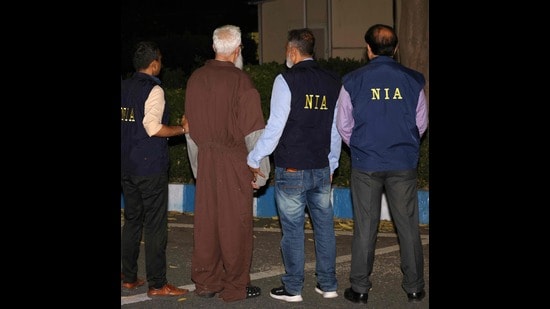
Seventeen years after the 2008 Mumbai attack, when a group of ten terrorists from Pakistan-based Lashkar-e-Taiba (LeT) rampaged through India’s financial capital and killed 166 people, most Indians still lack a sense of closure about the meticulously planned and executed terrorist attack. Against this backdrop, the extradition of Tahawwur Hussain Rana, a Canadian citizen of Pakistani origin, offers an opportunity to India’s security agencies to tie up some of the loose ends related to the investigation of the Mumbai attacks and shed more light on the complicity of the Pakistani military and intelligence set-ups in helping the LeT to perpetrate the carnage.
Rana’s extradition has been a long and arduous process, with actual progress made only in the past two years. Rana and his legal team sought to stymie India’s extradition attempts by mounting challenges in California courts, a court of appeal and the US Supreme Court, the most recent being earlier this month. His claims about the possibility of torture and absence of due process failed to convince the US judicial system, paving the way for him to be sent to India on Thursday and his subsequent arrest.
Having custody will allow authorities to grill him more extensively to dig up details about the planning, financing and execution of the attack. Rana had a ringside view because of his friendship with David Coleman Headley, the Pakistan-American LeT operative and US double agent whose surveillance and scoping out of targets in Mumbai during several visits was a crucial part of the terror planning. Rana helped by setting up an office of his Chicago-based immigration business in Mumbai to facilitate Headley’s visits and even travelled to India before the attacks. While Headley undoubtedly played a much larger role in the attack, he kept Rana in the loop for close to two years, describing the surveillance and attack plans.
Rana’s custody and trial in India is unlikely to be a brief affair, and the focus most now remain squarely on uncovering more information about the LeT’s operational planning and the support provided by elements within the Pakistani military. It is shameful that the Pakistani authorities have made absolutely no progress in their so-called trial of seven suspects who were rounded up shortly after the Mumbai attacks. That trial was conducted under farcical conditions, with LeT operations commander Zakiur Rehman Lakhvi — experts say he was the only notable suspect detained by Pakistan, the other six being minor fry — even fathering a child while incarcerated. Lakhvi is now free, his whereabouts unknown, and charges were never even framed against other LeT leaders, such as Hafiz Saeed, in connection with the Mumbai attacks despite the gathering of voluminous evidence by Indian and US law enforcement.
Justice must be served in Rana’s case, but equally the focus must be on exposing the role of those within Pakistan’s military and Inter-Services Intelligence (ISI) who facilitated the LeT in going ahead with the attacks, because those in the Army General Headquarters in Rawalpindi and ISI headquarters in Aabpara appear to have learnt little from the Mumbai attacks that yet again highlighted the flawed approach of using terror as an instrument of State policy.
One Subscription.
Get 360° coverage—from daily headlines
to 100 year archives.
Archives
HT App & Website