The good news in the Gross Domestic Product (GDP) numbers released Monday is that both GDP and private final consumption expenditure (basically consumption spends of people) in 2021-22 will likely be higher than that in 2019-20. The Indian economy, according to these numbers, will grow by 8.9% in 2012-22. It grew by 5.4% in the third quarter, lower than analyst estimates (which were closer to 6%), and only partly explained by the adverse base effect (in this case, a healthy
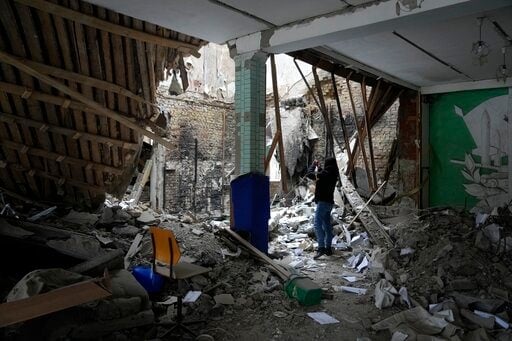
The good news in the Gross Domestic Product (GDP) numbers released Monday is that both GDP and private final consumption expenditure (basically consumption spends of people) in 2021-22 will likely be higher than that in 2019-20. The Indian economy, according to these numbers, will grow by 8.9% in 2012-22. It grew by 5.4% in the third quarter, lower than analyst estimates (which were closer to 6%), and only partly explained by the adverse base effect (in this case, a healthy number a year ago). The 8.9% estimate for the entire financial year isn’t entirely without risk — it means that the economy is expected to expand by 4.8% in the current quarter, a number that may well be difficult to achieve given the third wave of the pandemic (however short-lived, it did disrupt business), and Russia’s invasion of Ukraine.
With 95% of the population over the age of 15 years at least partly vaccinated (78% is fully vaccinated), it is unlikely that the coronavirus disease pandemic will pose a risk to the economy in 2022-23. But the conflict in Ukraine will, and at multiple levels. It will mean higher oil and commodity prices, which will translate into high inflation and widen an already high current account deficit. And the substantial economic sanctions against Russia will have a ripple effect on India too. Much will depend on how India’s policymakers react. For instance, once the current election cycle is over, will they approve an increase in fuel prices or decide on a further reduction in excise duties to keep prices at the same level? The first would be inflationary, but the second would mean lower government revenue. And how will the Reserve Bank of India (RBI) respond to the situation? Will it, given its recent track record, decide that the external environment poses headwinds to growth and continue with its dovish monetary policy? Irrespective of how the government or RBI acts, it is clear that India’s macroeconomic numbers will have to be redone. The only silver lining is that the country has enough of a foreign exchange buffer to buy its way out of trouble — should that become necessary.
Russia’s invasion of Ukraine, and its economic effects, could not have come at a worse time for the world and for India, and it will take some adroit economic planning to handle them. In India’s case, the government should continue its emphasis on capital spending, even as it starts focusing on ways to boost aggregate demand, the Indian economy’s old problem from before the pandemic.
One Subscription.
Get 360° coverage—from daily headlines
to 100 year archives.
Archives
HT App & Website