The gunfire at former Pakistan Prime Minister (PM) Imran Khan’s rally last week has plunged the country into fresh chaos, at a time it is grappling with a range of problems, including an economic downturn and a resurgent Tehreek-e-Taliban Pakistan. The circumstances surrounding the attack during an event aimed at pressuring the government to call early elections continue to be murky. Though the alleged shooter was arrested, some reports suggest more than one attacker was involved. Mr Khan named Pakistan
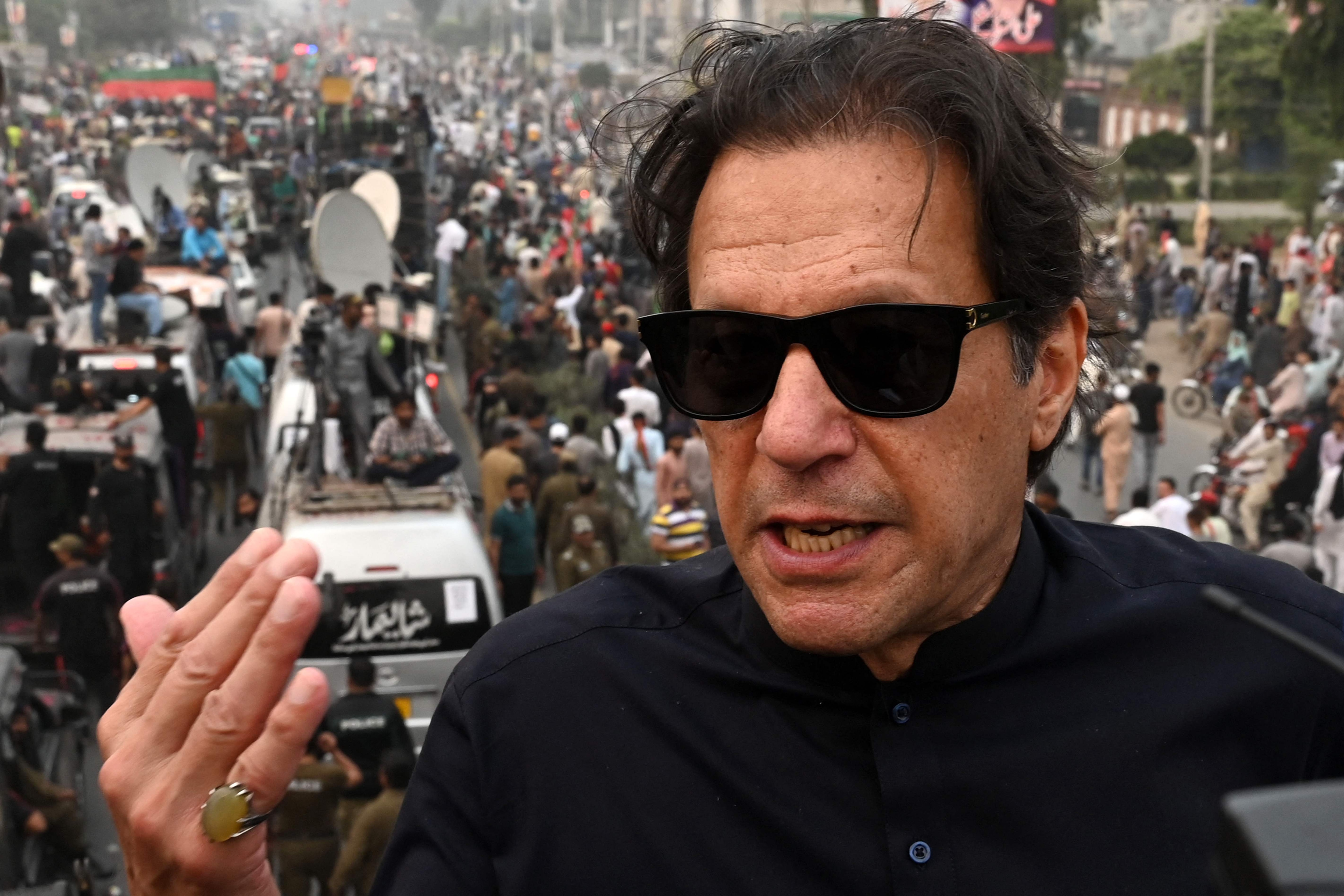
The gunfire at former Pakistan Prime Minister (PM) Imran Khan’s rally last week has plunged the country into fresh chaos, at a time it is grappling with a range of problems, including an economic downturn and a resurgent Tehreek-e-Taliban Pakistan. The circumstances surrounding the attack during an event aimed at pressuring the government to call early elections continue to be murky. Though the alleged shooter was arrested, some reports suggest more than one attacker was involved. Mr Khan named Pakistan PM Shehbaz Sharif, interior minister Rana Sanaullah and a senior Inter-Services Intelligence (ISI) officer, Major General Faisal Naseer, as being behind a conspiracy to target him, but no police complaint was registered. The army rejected this accusation and Mr Khan has, so far, offered no evidence to back his allegation. With the former PM adopting an unyielding position towards both the military and his rivals, Pakistan resembles a pressure cooker with no sign of tensions easing. Mr Khan’s attack on the army is unprecedented, as is his naming of senior ISI officials. The military resorted to the unprecedented act of fielding the ISI chief in a news conference that was highlighted Mr Khan’s alleged misdemeanours. Mr Khan and the army seem to be headed for a dangerous confrontation.
Some in the region, especially those fond of Mr Khan as a cricketer, have hailed his actions as a heroic confrontation of Pakistan’s all-pervasive military. But Mr Khan has hardly behaved as a democrat over the decades, hobnobbing with military dictators and leaders of banned terrorist groups. He had no qualms about using the army’s support to achieve his dream of becoming PM. By any yardstick, his track record for governance and management of foreign policy was underwhelming.
As things stand today, there seems to be no end in sight for Pakistan’s turmoil. Yet, with the army chief’s scheduled retirement later this month, and Mr Khan sharpening his rhetoric, it will be crucial to see how long the powerful military refrains from stepping into political waters. No Pakistani politician yet has managed to challenge the army and savour their success. Any increase in domestic tensions, especially developments that force the military to take their eyes off the activities of terrorist groups, would not bode well for India at a time when New Delhi’s focus is on the troubled relationship with China. But with no ability to influence outcomes within Pakistan, India can only wait and watch.
One Subscription.
Get 360° coverage—from daily headlines
to 100 year archives.
Archives
HT App & Website