
 E-Paper



What the hijab ruling implies
The split verdict reflects the complexity of the issue. At stake is the future of many students

 Prefer HTon Google


A two-judge bench of the Supreme Court (SC) delivered a split verdict on a batch of petitions challenging restrictions in Karnataka on Muslim students wearing the hijab in classrooms. Justice Hemant Gupta sided with a Karnataka high court (HC) order that upheld the government order, which allowed educational institutions to draft their own uniform policies, and said he framed 11 issues in the case – all of which he decided against the appeals. Terming religion a private affair, justice Gupta said that faith has no meaning in a secular school run by the State. He said the State did not deny anyone the right to education but it could not help if a student chooses not to attend classes. He stressed that uniform will bring “oneness” among the students in schools and any defiance of this rule would be against discipline.
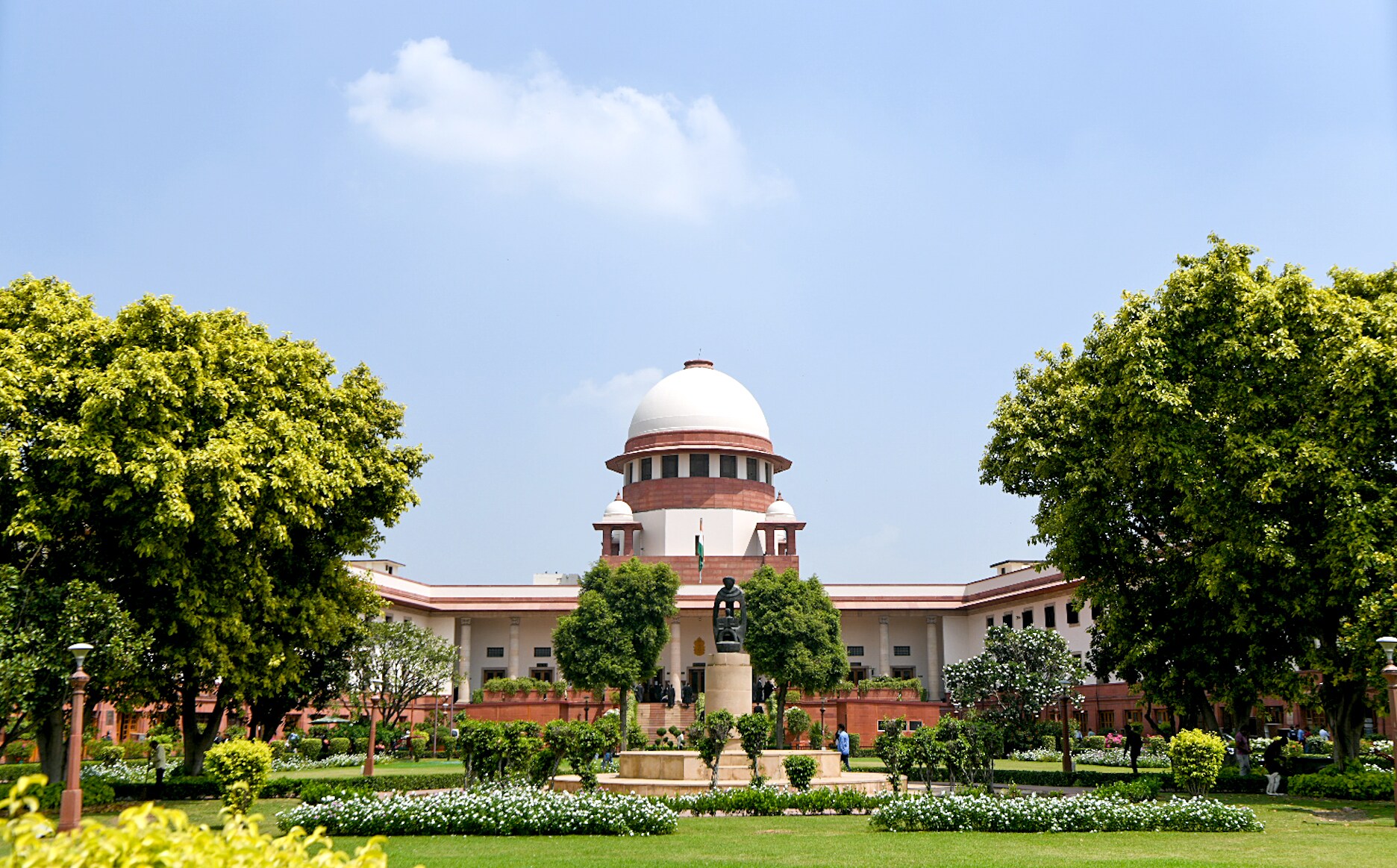
Justice Sudhanshu Dhulia, on the other hand, found that the question of education was paramount. He held that the high court had erred by focussing on the essential practice test, and that it was tangential to the decision. The real issue, according to him, was one of constitutional rights and the right to choice. He struck down the restrictions on the hijab in classrooms because he felt that girls – who already faced many hurdles in accessing education – would find it tougher to get educated if the Karnataka government order was allowed to stand.
The split verdict, while unusual, is instructive. It points to the complexity of the issue and the various facets of the debate – religion, constitutional rights, the right to choice and the duty of the State to facilitate access to education. It shows that intractable social problems arising from a knotty interplay of religious, social, cultural and political impulses cannot be neatly summed up or adjudicated in the black and white world of the law and how the high court possibly erred by only taking a religious view of the matter. The case will now go before a bigger bench of the apex court, and it could likely end up before an even larger bench already grappling with some of these complex questions in its review of the 2018 Sabarimala judgment. When the court looks at the hijab case afresh, it will do well to also look at the effectiveness of the essential practice test, which some experts describe as an anachronistic one that reduces faiths to a set of rituals and anoints judges as arbiters of religion, not law. But most of all, it must keep in mind that at the end of the line is the future of thousands of young children whose education may have been irreversibly disrupted by this protracted row.


