
 E-Paper



What Turkey polls mean for the world
After a runoff and a dramatically see-sawing electoral campaign, Erdoğan came out on top. But, will his new term mean warmer ties between New Delhi and Ankara?

 Prefer HTon Google


In the end, after a run-off and a dramatically see-sawing electoral campaign, the result of the presidential elections was a familiar one in Turkey – with Recep Tayyip Erdoğan on top. Over the past decade, Mr Erdoğan has rapidly consolidated power, weakening institutions that were meant to keep a check on his powers, ensuring the support of large sections of the media, andeven amending the Constitution to potentially extend his tenure. In the face of skyrocketing inflation and a currency in free fall, Mr Erdogan offered nationalist bluster, telling his citizens that he raised the country’s prestige on the global stage.
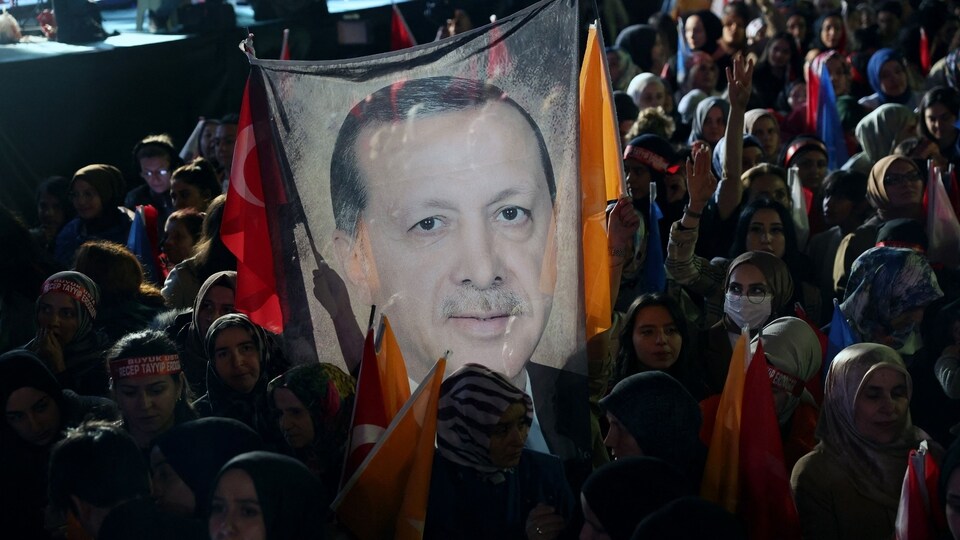
His socially conservative agenda, opposition to same-sex rights, and attempts to paint his principal rival, Kemal Kilicdaroglu, as backing Kurdish separatists were successful. Still, the election was the most competitive in a generation, and Mr Erdogan has the task of running a deeply polarised country where 47% of the people didn’t support his agenda, and instead put their faith in a more sober leadership focused on stabilising the economy.
Ankara’s location on the cusp of Asia and Europe and ties to the Muslim world make it one of the most important geostrategic countries in the world. There is little doubt that Mr Erdogan’s strident, if somewhat unpredictable, foreign policy will have the most impact on his old stomping grounds of West Asia. What is less certain is his stance on India. In recent years, the traditionally strong relationship has been marred by Mr Erdogan’s statements on Kashmir, especially in the aftermath of the revocation of Article 370, and his apparent proximity to Islamabad. Will his new term mean warmer ties between New Delhi and Ankara? Only time will tell.


