With the Centre’s decision to allow women to be inducted for permanent commission through the National Defence Academy (NDA), one more barrier to gender equality has fallen. This is indeed “a rather delightful piece of news”, as additional solicitor general Aishwarya Bhati put it while appearing for the Centre before the Supreme Court (SC). The SC has consistently cleared the path for women to join the armed forces in larger numbers, while urging the forces to adopt a more proactive
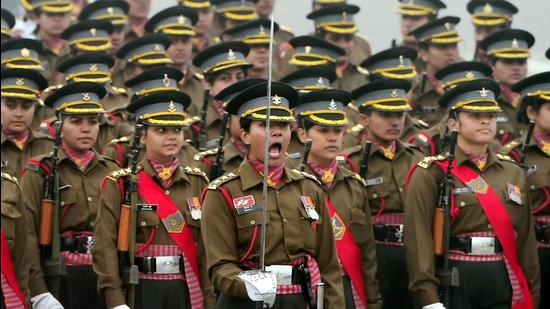
With the Centre’s decision to allow women to be inducted for permanent commission through the National Defence Academy (NDA), one more barrier to gender equality has fallen. This is indeed “a rather delightful piece of news”, as additional solicitor general Aishwarya Bhati put it while appearing for the Centre before the Supreme Court (SC). The SC has consistently cleared the path for women to join the armed forces in larger numbers, while urging the forces to adopt a more proactive approach towards gender equality. The apex court had passed an interim order last month permitting women to sit for the NDA admission exam, which is now scheduled for November 4. This welcome change must now be buttressed by changes in policy, procedure, training and infrastructure, for which the Centre has sought that women’s entry be put off for year.
NDA’s policy so far has been exclusionary. The decision to induct women will, hopefully, put an end to the prejudices voiced over the years on why women are not suited for a career in the armed forces. This includes dubious reasons revolving around how women will not be accepted as leaders by a male-dominated force, or how physical constraints prevent them from a role, or that they may seek special treatment, or that the armed forces lack suitable infrastructure, or that women might be subject to various forms of harassment. None of these are the fault of women and none of these are insurmountable — in fact, they point to structural flaws within the forces itself. The Centre’s decision to admit girls to Sainik schools, along with the latest move vis a vis NDA entry, suggests that the blueprint for substantive change has been now been created.
This will allow the armed forces to choose from a much wider pool of talent. Gender does not come in the way of technical skills, decision-making or mental strength, all of which are necessary attributes in a modern army. With its latest decision, the Centre and armed forces have upheld the constitutional provisions of equality, equal opportunities in public employment, freedom to practice a profession and non-discrimination. This will make the armed forces not just more inclusive but more efficient in the long-run. The SC had earlier said, in the context of creating more space for women in the armed forces, that it recognised that reforms cannot happen in a day. But thanks to its tireless nudging, the foundations for more gender-inclusive armed forces have now been laid.
One Subscription.
Get 360° coverage—from daily headlines
to 100 year archives.
Archives
HT App & Website