The lowdown
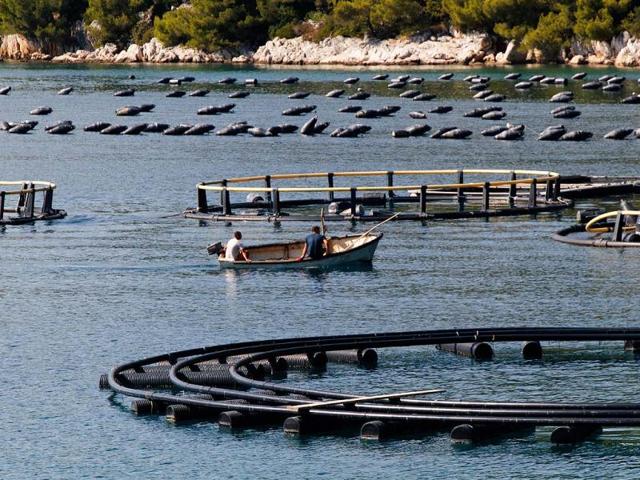
Aquaculture is the controlled cultivation of freshwater and marine resources, both plants and animals, for human consumption. Some of the aquatic weeds grown through aquaculture yield substances that are used as thickeners or gelling agents in foods, drugs, and other products. Acquaculturists work in natural water bodies or in artificial ponds, lakes or reservoirs. By adopting best management practices such as controlling the environment, nutrition, breeding and life cycle of the organism, an aquaculturist can improve the quality and productivity of his/her crops. Fish accounts for more than 50% of the annual worldwide aquaculture production. India accounts for the world’s second largest inland fish production. The leading places/states in India where commercial aquaculture is practised are West Bengal, Andhra Pradesh, Kerala, Tamil Nadu, Orissa, Bihar, Uttar Pradesh, Assam, Karnataka, Chhattisgarh, Maharashtra and Madhya Pradesh. India is a highly populated country, so the land-to-man ratio is decreasing and food requirement is subsequently increasing. The growth rate in aquaculture (more than 6% per annum) is more than that of any other food-producing systems. So, the demand for professionally trained aquaculturists is high in India
Clockwork
7am: Wake up and get ready for the day
9am: Reach farm
10am: Delegate work to staff/labourer
11am: Check water — its level, degree of contamination/pollution, if at all
11.30am: Monitor the growth of fishes
Noon: Arrange for fish feed
2pm: Quick lunch
3pm: Survey the entire farm and fix problems, if any
5pm: Leave the farm for the day
The payoff
Pay varies depending on the scale of your organisation, and is higher than what one can earn from agricultural crop production. A person can earn a minimum profit of Rs. 60,000 to Rs. 80,000 per year from one hectare of pond area. If integrated practice is followed, the profit margin can double. In commercial prawn culture, a hatchery of 10 million post-larvae capacity can yield profits of Rs. 7 lakh per year
Skills/TRAITS
* A farmer-friendly mindset
* Ability to work in field conditions
* Should be intelligent so as to adopt modern techniques available to increase productivity
* Love for water and the sea
* One should enjoy working outdoors in all weather conditions
* Practical skills and an enjoyment of manual tasks
* Good problem-solving skills and organisational skills
* The ability to co-ordinate the activities of others
Skills/TRAITS
* A farmer-friendly mindset
* Ability to work in field conditions
* Should be intelligent so as to adopt modern techniques available to increase productivity
* Love for water and the sea
* One should enjoy working outdoors in all weather conditions
* Practical skills and an enjoyment of manual tasks
* Good problem-solving skills and organisational skills
* The ability to co-ordinate the activities of others
Getting there
Read physics, chemistry and biology in Class 12. After that, apply for bachelor of fisheries science (BFSc), a professional degree programme in any state agricultural university. Work in the corporate/government sectors or go in for higher studies
Institutes and URLs
* Central Institute of Fisheries Education, Mumbai;
www.cife.edu.in
* Central Institute of Freshwater Aquaculture, Bhubaneswar;
www.cifa.in/web
* Rajiv Gandhi Centre for Aquaculture, Tamil Nadu;
www.rgca.org.in/aboutus.php
* Kerala University of Fisheries and Ocean Studies;
www.kufos.ac.in
* Indira Gandhi National Open University, New Delhi;
www.ignou.ac.in/ignou/aboutignou/school/sos/programmes/detail/169/2
* Institute of Aquaculture, University of Stirling, United Kingdom;
www.aqua.stir.ac.uk
* Centre for Research-based Innovation in Aquaculture Technology (Create), Norwegian University of Science and Technology, Norway;
www.ntnu.edu/research/research_excellence/create
* Norwegian Institute of Food, Fisheries and Aquaculture Research;
www.uib.no/research/resources/research-institutes/norwegian-institute-of-food-fisheries-and-aquaculture-research-nofima
Pros and cons
* Aquaculture is one of the fastest growing food production sectors in the world, hence sectoral growth is high compared to other agricultural activities
* You can suffer big losses if the fish die due to contamination
Aquaculture has the highest growth rate among other food-producing systems. So, the demand for trained aquaculturists is very high in India ----- AK Sahu, principal scientist and head of aquaculture production and environment division, Central Institute of Freshwater Aquaculture, Bhubaneswar