What made IBM align with HT Codeathon?
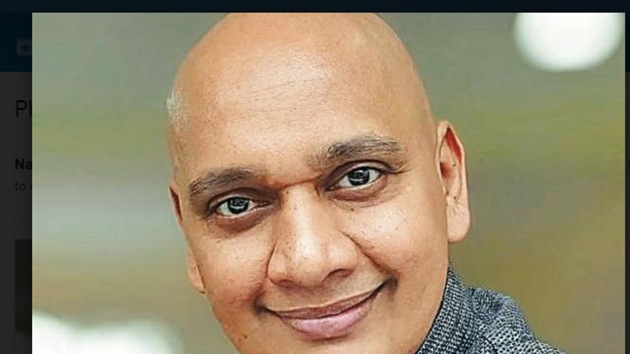
One of our biggest programmes was something called STEM (Science Technology Engineering and Mathematics) for girls, where we had MoUs [memorandums of understanding] signed with states, and the whole target was to reach out to 130,000 girls and 70,000 boys. Unfortunately Covid-19 hit, and we were not able to reach out to most of these kids.
When Hindustan Times said it was holding a Codeathon online and could reach children who can do it at their own pace, we thought this was an amazing opportunity to partner to reach out to places where the programme has not yet reached.
We had an opportunity to obviously go to the nooks and corners of the country with this reach, and give children an opportunity to try out coding, try out Python as well as HTML. The idea was for them to get their hands dirty, and get a sense of what coding is, because 80% of the jobs of the future are going to have an element of STEM in it.
Is coding the future?
As they say, education is the gateway to opportunities. If that’s the case, then coding is like a premium pass that will get you to the front of the line.
How early does a child need to get introduced to the concept of coding?
{{/usCountry}}How early does a child need to get introduced to the concept of coding?
{{/usCountry}}Our programme starts with 8th graders, because we believe when you are in that standard (13-14 years), it is when you start forming opinions of your own. That’s the age when they start exploring what they want to do in life. Having said that, there can always be an argument made that we should start much earlier — but we firmly believe that 8th graders are decent enough to start.
Also, coding need not be looked at as just programming languages; how we start in our programmes is by using MIT’s [Massachusetts Institute of Technology] open platform called Scratch. It is very friendly, and you can tell stories through it. You can build a story line and through those stories, we introduce them to the concept of coding. You show them building blocks, which they can drag and drop and create loops and create a story.
They identify a problem, for example, in a village, and actually look at how well they can tell the story with the use of technology. At the end they realise what they essentially did is coding. It’s coding through the concept of storytelling, which makes it fascinating for them.
What changes do you see in the work and education scenario in the post-Covid era?
The digital transformation has already been going on and, I think, Covid-19 has only accelerated it. What we could have probably achieved in five or six years is now possible in a year or so. Just look at the example of the [Covid-19] vaccine; something that would earlier take years is now available in months. The field of education itself has already moved into a hybrid model. It may have taken us 34 years to have a new education policy, but essentially what it has done is accelerated the whole transformation. The number of tools that are now available; and the catalyst in this whole thing are the teachers, as they are the ones who have to transform the children and impart |whatever we are trying to teach at the ground level. They have now had an amazing opportunity to get exposed to technology, new modes of education, new platforms and new content that they did not have access to earlier.
I am sure the hybrid model will continue because once you get a feel of it, there is no going back. IT companies would never have thought about 100% work-from-home. But now, people are working from home, and you are able to get things done, and you are being more productive. I’d assume the same thing will happen in the education field also. Investment into hardware, software, and capacity building is really going to accelerate in future.
Could you talk about some of your projects?
We at IBM launched two online platforms during the pandemic: one is called Open P-Tech, which is a completely open platform for school children to learn about emerging technologies such as artificial intelligence, IoT (internet of things), block chain, cloud and others, as they keep hearing these terms and it’s for them to know what it is, and how we can use it in our day-to-day life. We have developed content on these open platforms that are more oriented towards youngsters.
Today we have close to 80,000 learners on that platform. Anyone with a Gmail account can access it. Once you finish a course you also get an IBM-authorised digital badge that they can display in their resumes as well.