
 E-Paper



Chhattisgarh: Students of maoist-affected districts to get interest-free loans for technical, vocational education
Chhattisgarh government announced provision of interest-free loans for technical and vocational education for the students living in maoist affected districts.

 Prefer HTon Google


With the aim to improve access to higher education for economically weaker students in Maoist-affected districts, Chhattisgarh government on Thursday announced a provision of interest-free loans for technical and vocational education for the students living in these areas.
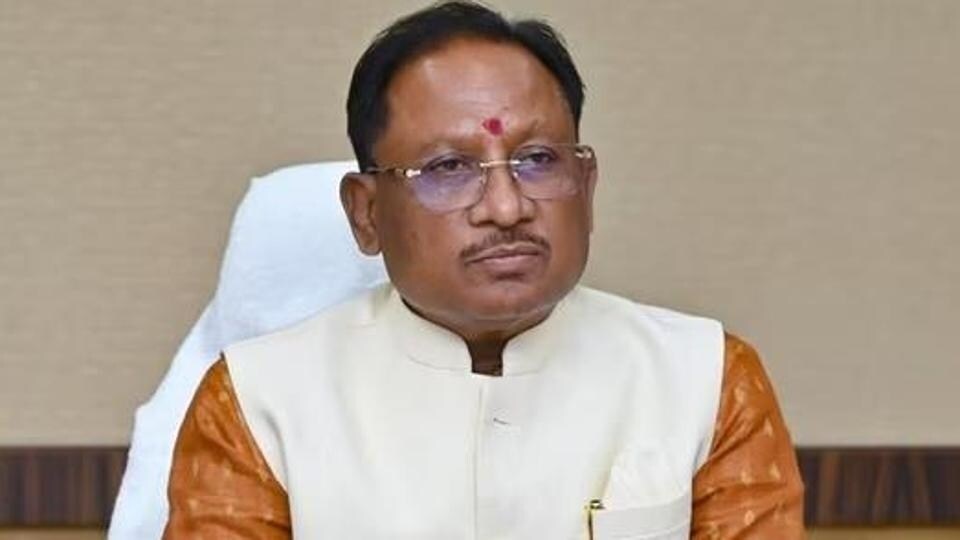
Chhattisgarh Chief Minister Vishnu Deo Sai has given instructions to launch a special campaign to ensure that maximum number of students in Maoist-affected districts avail the benefits under 'Chief Minister’s Higher Education Loan Interest Subsidy Scheme', a note issued by public relations department stated.
Assam govt signs MoU with Visva Bharati University to set up Srimanta Sankardeva chair
The CM has also directed the district collectors of other districts ( excluding Maoist affected districts) in the state to ensure that the students from economically weaker families are provided with loans at a 1% interest rate for pursuing technical and vocational higher education.
“This scheme covers 35 technical and other vocational courses at diploma, undergraduate, and postgraduate levels. The maximum limit for education loans eligible for interest subsidy under the scheme is set at ₹4 lakhs,” it stated.
Also check: LPU varsity gives ₹2.5 crore cash prize to students who represented India in Paris Olympics
The students from the Maoist-affected districts of Bastar, Bijapur, Dantewada, Jashpur, Kanker, Koriya, Narayanpur, Rajnandgaon, Surguja, Dhamtari, Mahasamund, Gariaband, Balod, Sukma, Kondagaon, and Balrampur will receive interest-free loans, it stated.
The maximum loan limit for interest subsidy under the scheme is ₹4 lakhs. Regular repayment of loan instalments is mandatory to avail of the interest subsidy benefit. Students who drop out or are expelled will not remain eligible for the scheme, although eligibility may be retained in cases where studies are interrupted for medical reasons, for a maximum period of one year.
Read more: Stephen's row: Students granted provisional admission left in lurch, court bars them from classes
The scheme covers a wide range of courses including BE/BTech, ME/MTech, D.Arch, Agricultural Engineering, MCA, MBA, DE, B.P.Ed, M.P.Ed, PGDCA, BHMS, BAMS, BNYS, BNS, BUMS, VFSC, B.Tech Dairy, B.Agri, BDS, MDS, MBBS, BVSc, BSc Nursing Basic and Post Basic, B.Pharm, M.Pharm, D.Pharm, Diploma in Modern Office Management, Diploma and others.
-kW0H-U20214218012MgB-250x250%40HT-Web.jpg)


