
 E-Paper



UGC equity row explained: What is UGC rules? know about rules, affected groups and latest developments
Check what are the new rules, who is affected by them, and what are the latest developments surrounding them?

 Prefer HTon Google


Protests have intensified over the University Grants Commission's recent notice on promoting equity in higher education institutions.
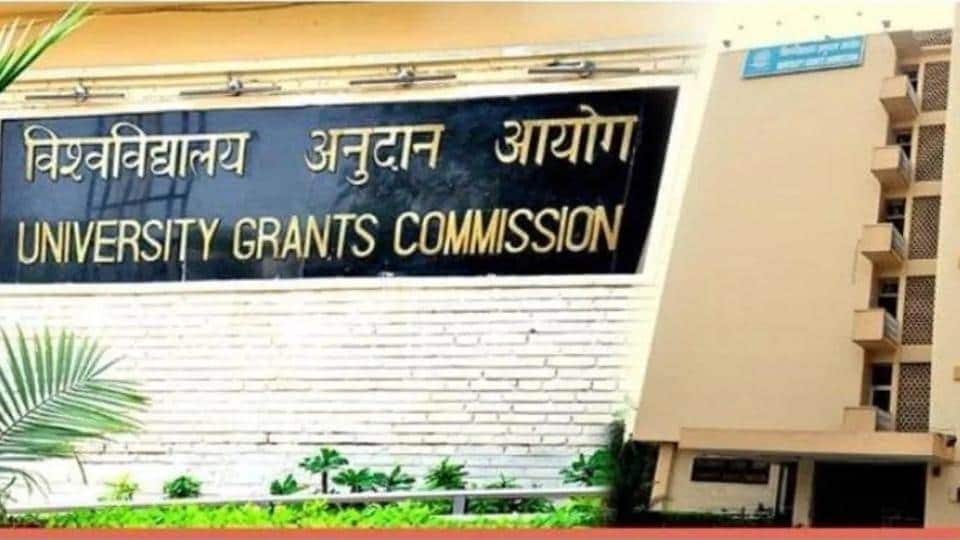
The new rule 'Promotion of Equity in Higher Education Institutions Regulations, 2026' aims to curb discrimination only on the basis of religion, race, gender, place of birth, caste, or disability, particularly against the members of scheduled castes and scheduled tribes, socially and educationally backward classes, economically weaker sections, persons with disabilities, or any of them, and to promote full equity and inclusion amongst the stakeholders in higher education institutions.
What are the new rules, who is affected by them, and what are the latest developments surrounding them?
What is the UGC new bill?
The newly notified Promotion of Equity in Higher Education Institutions Regulations, 2026, is a comprehensive set of anti-discrimination rules for all colleges, universities, and higher education institutions.
Implementation of this rule means that every HEI shall have a duty to eradicate discrimination, have a duty to promote equity among stakeholders and take appropriate protective and preventive measures to eliminate discrimination against stakeholders and safeguard the interests of the stakeholders without any prejudice to their caste, creed, religion, language, ethnicity, gender, or disability.
What is EOC?
Under the new equity rule, every HEI will have to establish an Equal Opportunity Centre to oversee the effective implementation of policies and programmes for disadvantaged groups; provide guidance and counselling on academic, financial, social, and other matters; and enhance diversity on campus.
Every HEI shall designate at least one stakeholder in each of its units, departments, faculties, schools, hostels, libraries, or facilities to act as an ‘Equity Ambassador.’ The stakeholders designated as Equity Ambassadors shall act as torchbearers of equity on the campus and shall remain in touch with the Coordinator of the Equal Opportunity Centre.
Who will be affected?
With the implementation of this new UGC equity rule, the general students, higher education institutions, faculty and stakeholders are affected.
General category: Students of the general category feel most insecure with this new rule. They say these new rules will affect their lives.
Other students: The new regulations will protect other student groups, including SC, ST, OBCs, EWS, and Persons with Disabilities, from discrimination and provide them with formal grievance-redress mechanisms on campuses.
HEIs: All colleges, universities, and higher education institutions will have set up EOCs. These EOCs will have representation of Other Backwards Classes, Persons with Disabilities, Scheduled Castes, Scheduled Tribes, and women. They will promote equity among students, teaching, and non-teaching staff and, at the same time, eliminate perceptions of discrimination.
Faculty members: The EOC committee will include three professors/senior faculty members from the HEIs.
Latest Developments
Students from upper-caste communities across the country are protesting the UGC's newly implemented rules. According to them, these new regulations could lead to chaos on campuses.
Speaking to news agency PTI, Alokit Tripathi, a PhD student from Delhi University, said that the new rules will create complete chaos in colleges as the burden of proof will now be completely shifted onto the accused, and there are no safeguards for wrongly accused students.
A BJP office bearer in Firozabad district of Uttar Pradesh has resigned from her post after allegedly being upset over the new UGC rules.
UGC row: There will be no discrimination against anyone, says Dharmendra Pradhan on regulations
On Tuesday, January 27, Union Education Minister Dharmendra Pradhan assured that there would be no discrimination against anyone. He said, ""I want to humbly assure everyone (that) no one is going to face any harassment. There will be no discrimination and no one will have the right to misuse the regulation in the name of discrimination", PTI reported.
A plea has been filed in the Supreme Court by Vineet Jindal challenging a recently notified University Grants Commission (UGC) regulation, alleging that it has adopted a non-inclusionary definition of caste-based discrimination and excludes certain categories from institutional protection.


