
 E-Paper



Halloween: How Ramsay Brothers, India's OG kings of horror, created a genre with Veerana, Saamri and Zee Horror Show
India’s horror genre, from Bhool Bhulaiyaa 2 to Naagin owes a huge debt to Ramsay Brothers, who not only introduced it to Hindi entertainment but pioneered its biggest innovations as well.

 Prefer HTon Google


Hollywood has a long tradition of horror films, which began in the era of silent films. Legends like Lon Chaney and Bela Lugosi made careers out of playing monsters in the earliest Hollywood horror films back in the 1930s and 40s. India, despite a strong oral and written treasure trove of supernatural tales, did not adopt the trend in cinema. In fact, it wasn’t until the 1970s that Bollywood saw its first full-length horror films. And it was a family of immigrant Sindhis that sparked the horror revolution in India. If today, Naagin rules the TRP charts and Amar Kaushik can hope to create a cinematic universe on the big screen with Bhediya, it is all because the Ramsay Brothers took a risk in 1972 that paid off. Also read: Bhediya trailer: Varun Dhawan transforms into 'icchhadhaari bhediya' with 'Rampuri chaaku' nails, Dracula teeth
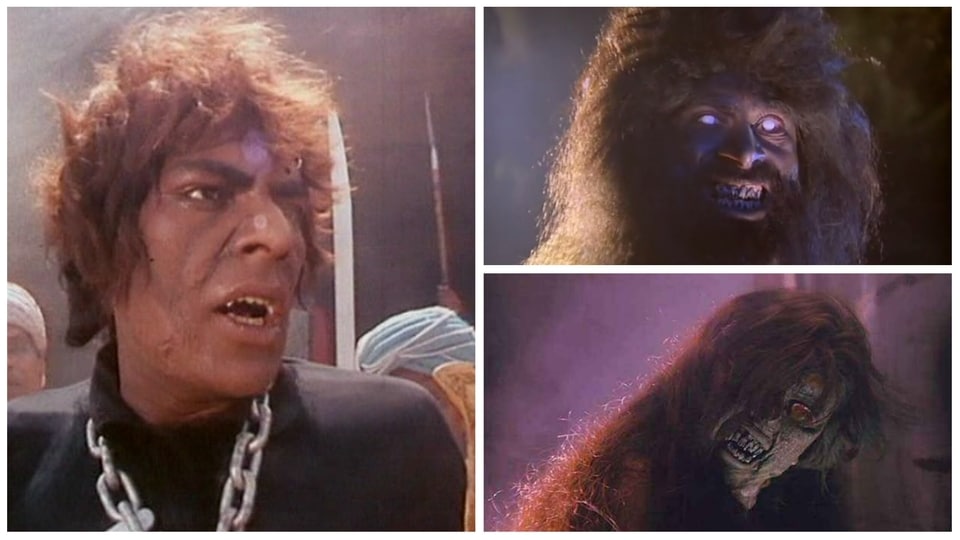
Fatehchand U Ramsay came to Mumbai (then Bombay) from Karachi after the Partition. He produced a handful of films in the 1950s and 60s, none of which worked. Under huge debts, he and his sons--Tulsi and Shyam--took a risk. Encouraged by the reception to a scene featuring a devil mask in their 1970 film Ek Nanhi Munni Ladki Thi, they made a monster film, a concept unheard of in India. The uncreatively-titled Do Gaz Zameen Ke Neeche was the first horror film in Hindi. Released in 1972, the film had only two actors of note--Dhumal and Satyen Kappu. In fact, it relied on a lot of jugaad and sleaze for its marketing and was made on a shoestring budget. And yet, it went housefull on theatrical release.
The success encouraged Fateh’s seven sons to collaborate on more low-budget, high-on-sleaze horror films that often borrowed their concepts from the West. The brothers would write, direct, and even shoot some of their earliest films all by themselves. Most of these films were wrapped up with a skeletal crew sometimes in as little as two weeks. But success brought attention, and some stars. Their 1980 film Saboot starred Navin Nischol, Vinod Mehra, Padma Khanna, Vidya Sinha, and Prem Chopra--all known and successful actors. Bappi Lahiri composed the music and Lata Mangeshkar and Kishore Kumar gave their voices to the songs. The Ramsays were mainstream now.
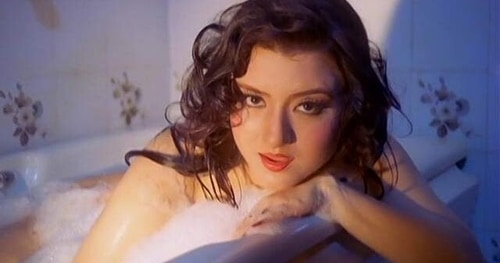
Their films were never blockbusters but they were trendsetters for sure. The success of their earlier films encouraged other makers to experiment with the horror genre, leading to Bollywood’s first horror superhit in Rajkumar Kohli’s 1979 multistarrer Jaani Dushman. The film starred the who's who of Hindi cinema in Sunil Dutt, Jeetendra, Shatrughan Sinha, Rekha, Sanjeev Kumar, Neetu Singh, Vinod Mehra, and Amrish Puri among others. With a haul of ₹9 crore, it was the second-highest grossing film of the year.
Having established the genre as mainstream, the Ramsays now went on to add innovations, coming up with India’s first 3D horror film--Saamri--in 1985. This was followed by the cult classic Veerana in 1988, which became a VHS/cable hit in the 90s. It was Veerana’s success on TV reruns that led the Ramsays to experiment further and leave another legacy. They realised the potential of horror in late night TV. In 1993, they conceived the first horror TV series of India--the iconic Zee Horror Show.
The show is one of the most memorable and successful TV shows in history and its success spawned other successful shows in the genre, from Alif Laila to Aahat. In fact, TV’s most successful fiction series in the last decade--Ekta Kapoor’s Naagin--can trace its origins to the successful concept created by the Ramsays. In the mid-90s, Ramsays shut shop after their monopoly on the genre was broken by newer filmmakers, who looked at the genre with a little more finesse than they ever had. Their last film Talaashi (1996) was a flop. But the genre continued with even A-listers like Mahesh Bhatt (Raaz) and Ram Gopal Varma (Bhoot) jumping in soon after.
Today, the horror genre in Hindi cinema has diversified enough to include sub-genres like horror comedy (Stree to Bhool Bhulaiyaa 2) and creature features (the largely-forgettable Creature 3D). And even as many of these films struggle to find success, the promising aspect is that some of the biggest stars are working in horror films today. And the proliferation of streaming platforms since the pandemic has meant this has spread to OTT too now. And it all began with a sleazy, amateur film shot by seven brothers some 50 years ago.


