E-Paper



70% food-related emissions come from richest 30%, shows new study
Current food systems could still push temperatures beyond 1.5 degrees C over pre-industrial levels

 Prefer HTon Google


A change in global diets could cut emissions from food systems by more than half, the EAT-Lancet Commission on healthy, sustainable, and just food systems has said. Such emissions account for roughly 30% of total greenhouse gas emissions globally. And much like in the case of energy, it is the rich countries that are to blame. The wealthiest 30% of people drive more than 70% of food-related environmental impacts, the Commission has found.
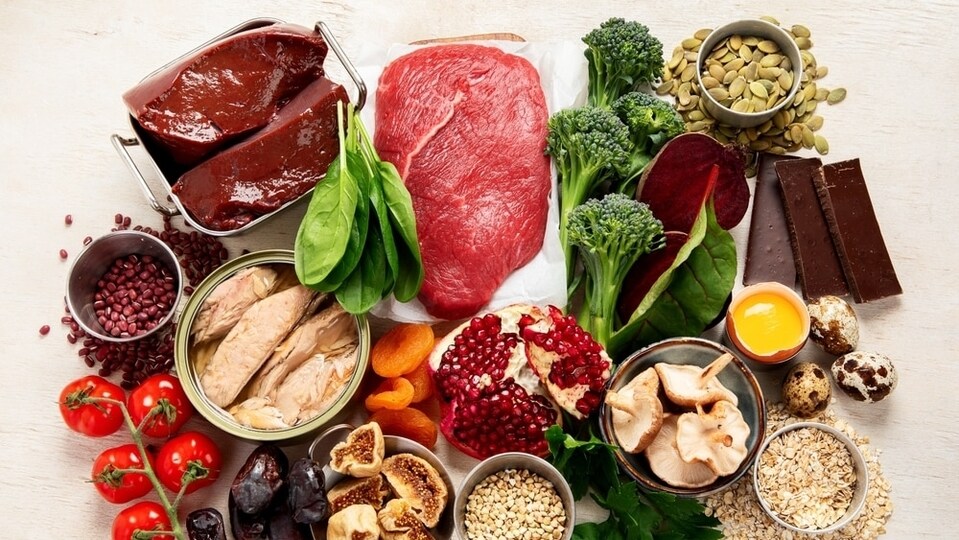
Emissions from food systems are typically glossed over but according to leading international experts in nutrition, climate, economics, health, social sciences and agriculture from more than 35 countries across six continents, even with a complete global transition away from fossil fuels, current food systems could still push temperatures beyond 1.5 degrees C over pre-industrial levels.
This is due to a nexus of issues related to food production and consumption, they added.
Food systems generate 16–17.7 GtCO2e/year (gigatonnes of carbon dioxide equivalent, the unit for measuring greenhouse gas emissions), about 30% of global emissions.
A third is from agriculture, a third from land conversion, and a third from food supply chains (processing, transport and retail).
According to the Food System Economics Commission (FSEC) reshaping food systems could deliver returns of $5 trillion a year through better health, restored ecosystems, and climate resilience – more than ten times the $200-500 billion investment needed to drive food systems change. Yet the negative externalities are estimated at $15 trillion, with the health sector bearing the brunt, the authors have warned.
The Commission outlines eight priority solutions: making healthy diets accessible, protecting traditional diets, implementing sustainable production practices, protecting intact ecosystems, cutting food waste, securing decent work, ensuring representation, and protecting marginalised groups. This transformation would require a global 33% contraction in red meat sectors, and a 63% growth in fruit, vegetable and nut sectors (compared to 2020 levels). If all recommended elements are implemented, it could ensure that 9.6 billion people globally have access to a healthy diet within critical environmental limits by 2050, the authors predict.
The authors have quantifed the global food systems’ share of all nine planetary boundaries--climate change, biodiversity loss, biogeochemical flows (nitrogen and phosphorus), land-system change, freshwater use, ocean acidification, stratospheric ozone depletion, and atmospheric aerosol, marking the first time this is being done.Planetary boundaries define nine limits (on critical areas) within which humanity can exist and thrive.
They confirm that food is the single largest cause of planetary boundary transgressions, driving the transgression of five of the six breached boundaries. In addition, food systems exert a major impact on the transgressed climate boundary and on the ocean acidification boundary. Unsustainable land conversion, particularly deforestation, remains a major driver of biodiversity loss and climate change, highlighting the need for zero conversion of all remaining intact ecosystems. Food systems account for the near totality of nitrogen and phosphorus boundary transgression, emphasising the improvements needed in nutrient management, efficient nutrient redistribution, and circular nutrient systems.
The massive use of novel entities in food production, processing, and packaging (ranging from plastics to pesticides) remains a major concern but is alarmingly understudied, the authors warned.
They introduce what they consider a healthy diet, Planetary Health Diet (PHD)-- an evidence-based dietary pattern that supports optimal health outcomes and can be adapted to different contexts and cultures. It emphasises a plant-rich diet, with moderate amounts of animal-source foods and limited added sugars, saturated fats, and salt. Based on direct effects of diets on human health, there is good evidence that PHD adoption would lower the environmental impacts of most current diets, authors have said.
“The report sets out the clearest guidance yet for feeding a growing population without breaching the safe operating space on Earth set by the planetary boundaries. It also exposes the stark winners and losers in today’s food systems, where entrenched power dynamics drive deep inequities. By uniting the latest science on health and climate, it shows that what we put on our plates can save millions of lives, cut billions of tonnes of emissions, halt the loss of biodiversity, and create a fairer food system. We now have robust global guardrails for food systems, and a reference point that policymakers, businesses, and citizens can act on together. The evidence is undeniable: transforming food systems is not only possible, it’s essential to securing a safe, just, and sustainable future for all,” said Johan Rockström, Commission Co-Chair and Director of the Potsdam Institute for Climate Impact Research in a statement.
There is also strong evidence that PHD lowers risks of type 2 diabetes, cardiovascular disease, cognitive decline, obesity and several cancers. Diets similar to the PHD consistently show lower risks of chronic disease, depression, and dementia.
The PHD provides better nutrient profiles than current global averages, particularly for fatty acids, protein, sugars, fibre, folate, magnesium, potassium, and zinc. Calcium, vitamin B12, iron, and iodine from animal sources remain important, the paper states.
“Shifting global diets could prevent approximately 15 million premature deaths per year.Other health benefits include reduced biocide contamination, less nitrogen pollution of drinking water, and a 42% cut in antimicrobial use due to reduced animal-source food, helping to combat antimicrobial resistance,” the authors concluded.
PHD emphasises a balanced dietary pattern that is predominantly plant-based, with moderate inclusion of animal-sourced foods and minimal consumption of added sugars, saturated fats, and salt.
“Food is at the heart of both human well-being and planetary health. Right now, too many people who grow and process our food are underpaid and excluded from basic protections, while the environmental and health costs fall hardest on the most vulnerable. Our findings make it clear that transformation must go beyond producing enough calories. It must guarantee the right to food, fair work, and a healthy environment for all. Only when we share the benefits and burdens more equitably can we ensure that food systems are within planetary boundaries and create a safe and just space where all people can flourish,” said Shakuntala Haraksingh Thilsted, Commission Co-Chair and Director for Nutrition, Health and Food Security at CGIAR, a global research platform.