
 E-Paper



For the first time, climate models show the 1.5°C goal is dead
UNEP’s projections show that under current climate policies, global temperatures are likely to warm by between 2.6°C and 3.3°C this century.


 Prefer HTon Google


WHEN THE ECONOMIST warned in 2022 that keeping global warming to just 1.5°C above pre-industrial levels was no longer plausible, we took some flak. Critics worried that such thinking sapped the momentum for decarbonisation. At the time, some climate modellers still believed the 1.5°C target was daunting yet just about doable—if governments moved quickly.
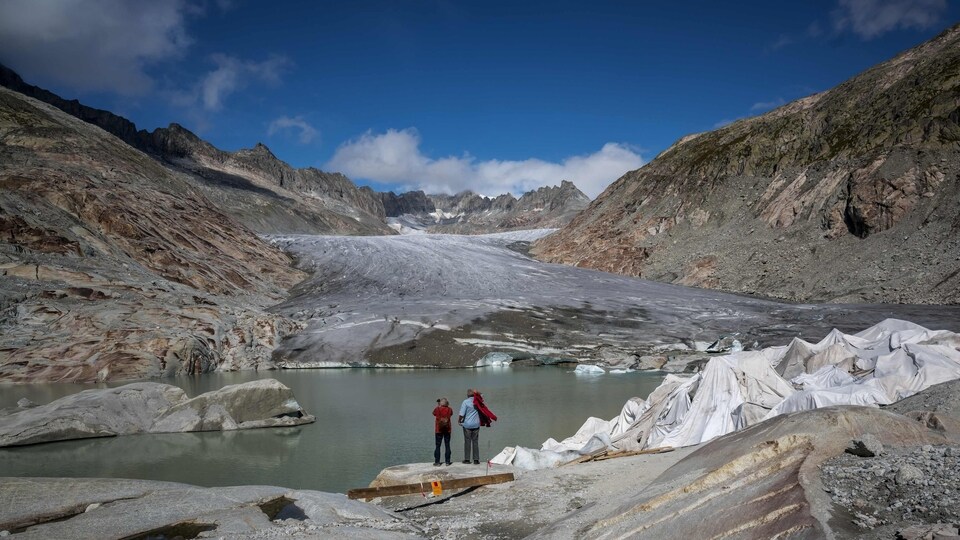

Three years on, the data confirm that the window has closed. The latest Emissions Gap Report of the UN Environment Programme (UNEP) finds that the relentless rise in emissions since 2020 rules out even theoretical routes to the 1.5°C goal, which the agency expects to be exceeded by at least 0.1°C within the next decade.
Even if countries met every near-term climate pledge (the Paris Agreement’s “nationally determined contributions”, or NDCs) and hit their targets for net-zero emissions of carbon dioxide, the modelling suggests that the world is on track to warm by between 2°C and 3°C. The latest calculations show that it can only emit another 80-130bn tonnes of carbon dioxide before crossing the 1.5°C threshold. With annual emissions of roughly 40bn tonnes, that limit will be reached by the end of the decade. “Every year we postpone action, we’re also jeopardising limiting global temperatures below two degrees,” says Anne Olhoff, a lead author of the report.
UNEP’s projections show that under current climate policies, global temperatures are likely to warm by between 2.6°C and 3.3°C this century. That range drops to 2.1-2.9°C if countries meet their climate pledges and to 1.8-2.3°C if they hit net zero around mid-century.
A stocktake of the G20 club of big economies, which collectively accounts for 77% of global emissions, reveals wildly different climate trajectories. Seven are on track to roughly achieve net-zero by mid-century, including the EU (which is assessed as a whole), Britain and Australia.
Several recent assessments suggest Chinese emissions will peak this year, rather than at the end of the decade as once thought. That shift is largely driven by the remarkable growth of renewable energies. China remains the world’s largest emitter by far, but current policies now suggest that net zero might be possible by around 2060. By contrast, India and Indonesia, respectively the world’s third and sixth largest emitters, lack the policies needed to curb and then lower emissions.
Then there is the question of America. The latest projections factor in the withdrawal of its net-zero target, which alone resulted in a 0.1°C increase in projected warming. Scrapping its pledges made during the Paris agreement will increase the temperature projections by another 0.1°C, says Joeri Rogelj, a climate modeller at Imperial College London and another lead author of the UNEP report. “Lower projections for China and several other countries”, the report notes, “are cancelled out by higher projections for the United States of America.”
Attention is now shifting to what happens after the world overshoots the 1.5°C target, and whether it can dial the thermostat back down. Removing carbon dioxide from the atmosphere and storing it—in forests or underground reservoirs, for example—will be central to that task. According to a study published in 2021, reversing each 0.1°C of warming would require removing 220bn tonnes of CO₂—roughly five years’ worth of current global emissions. Yet today the world is absorbing only about 2bn tonnes a year. “We have to get serious about not just the technologies to remove carbon from the atmosphere,” says Dr Rogelj, “but also the financial incentives and the structures by which this removal will be delivered.”


