
 E-Paper



Scientifically Speaking: India in the age of unlivable heat
Delhi’s heat now routinely approaches 50°C, pushing the limits of human endurance and infrastructure.

 Prefer HTon Google


It is getting harder to talk about climate change. Not because it’s less urgent, but because it is now everywhere, all the time. We normalise what should shock us, because ignoring it feels easier than facing what seems insurmountable.
Yet, we must keep talking about climate change. Because even as the signs multiply on scorched Earth, flooded streets, and dried-up reservoirs, we cannot pretend we can look away.
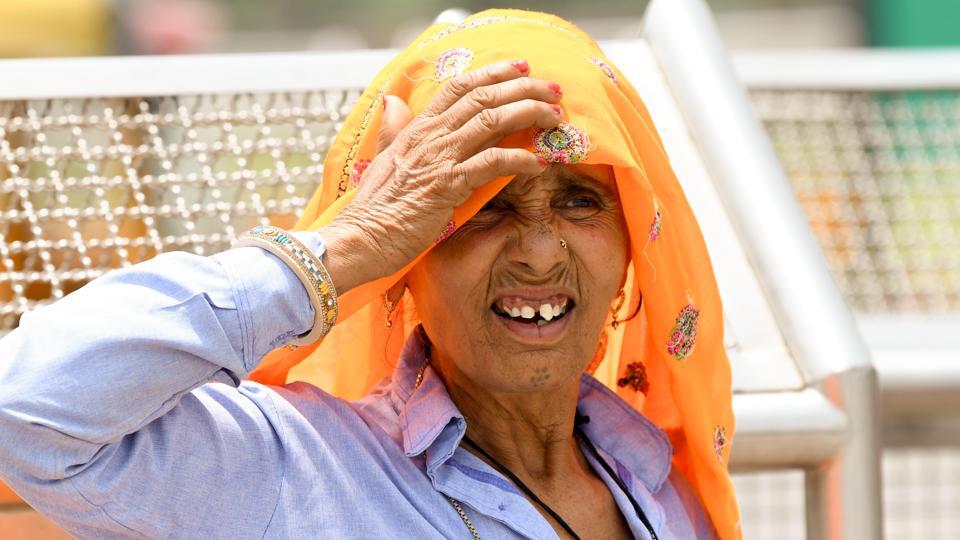
Parts of India are becoming unlivable. Delhi’s heat now routinely approaches 50°C, pushing the limits of human endurance and infrastructure. Roads melt. The power grid is strained.
Across the globe, extreme weather is shifting and intensifying. Storms strike out of season. Fires burn where they never did before. Floods arrive too early or too late.
In 2024, Assam’s floods affected over 2.4 million people across 30 districts. Tamil Nadu has faced the opposite extreme — swinging between prolonged droughts and sudden deluges, with devastating floods in late 2023 following months of water scarcity.
A major new study published in Nature by Luke Grant and colleagues tries to humanize this crisis. Instead of focusing on temperature targets, they calculate what climate disasters will look like across a human lifetime.
The answer is stark. When you are born determines how much hell you will live through.
Someone born in 1960 might face three major heatwaves in their lifetime. A child born in 2020 could endure 20 to 30 extreme heatwaves under our current path toward 2.7°C warming. At 1.5°C of warming (the minimum target in the Paris Agreement), more than half of children born in 2020 will face unprecedented lifetime heat exposure. At 3.5°C, that number jumps to over 90 percent.
And it doesn’t stop at heat. Twenty-nine percent of today’s children will face unprecedented crop failures. Fourteen percent will endure river floods more extreme than anything in recorded history.
Even within wealthy regions, climate impacts will not fall evenly. A child born in Brussels may face 18 heatwaves. One in Berlin, just a few hours away, might see only half as many. That is the future. Unequal not just between countries, but within them.
In India, this burden will not be shared equally. The study quantifies what we already know. The poorest face the highest climate risks.
India is already a deeply stratified society. What happens when only the rich can insulate themselves from the heat? We do not need to look far for answers. Dubai already exists. Its model of indoor survival with enclosed environments, imported food, desalinated water, and expensive energy may become the blueprint for elite adaptation in South Asia. But what about the hundreds of millions who cannot afford to escape?
Every fraction of a degree matters. Every public investment in cooling, clean water, and green infrastructure makes the future a little less grim.
The research shows that limiting warming to 1.5°C instead of 2.7°C could spare 613 million children globally from unprecedented heat exposure. That is more than twice India’s entire child population.
But here is the uncomfortable truth. A decade after the Paris Agreement, we are still on track for nearly 3°C of warming. Decades of climate summits have been no match for fossil fuel interests and political inertia.
We are past solving climate change and even adaptation might be unreasonable in the harshest environments. What matters now is how much worse it gets, and who suffers most. Unchecked climate change will reshape who survives, who moves, and how future societies look. It is clear that silence is a luxury we cannot afford.
Anirban Mahapatra is a scientist and author, most recently of ‘When The Drugs Don’t Work: The Hidden Pandemic That Could End Medicine’. The views expressed are personal.


