E-Paper



Weather Bee: Europe needs to adapt fast to hot summers
The past climate of Europe means that even with a faster rate of warming, European summer temperatures will need time to catch up to places like India.

 Prefer HTon Google


Wildfires, school closures, electricity grids breaking down, and deaths due to heat may appear strange events in Europe. However, the continent has experienced all three events in the past month. Part of the reason for some such events – such as the breakdown of electricity grids or a French government directive this week asking businesses to lower heat risk for workers – is that the continent’s infrastructure is not designed for the level of heat it is experiencing this summer. An HT analysis suggests that this needs to change fast. This is because this summer is not an isolated event.

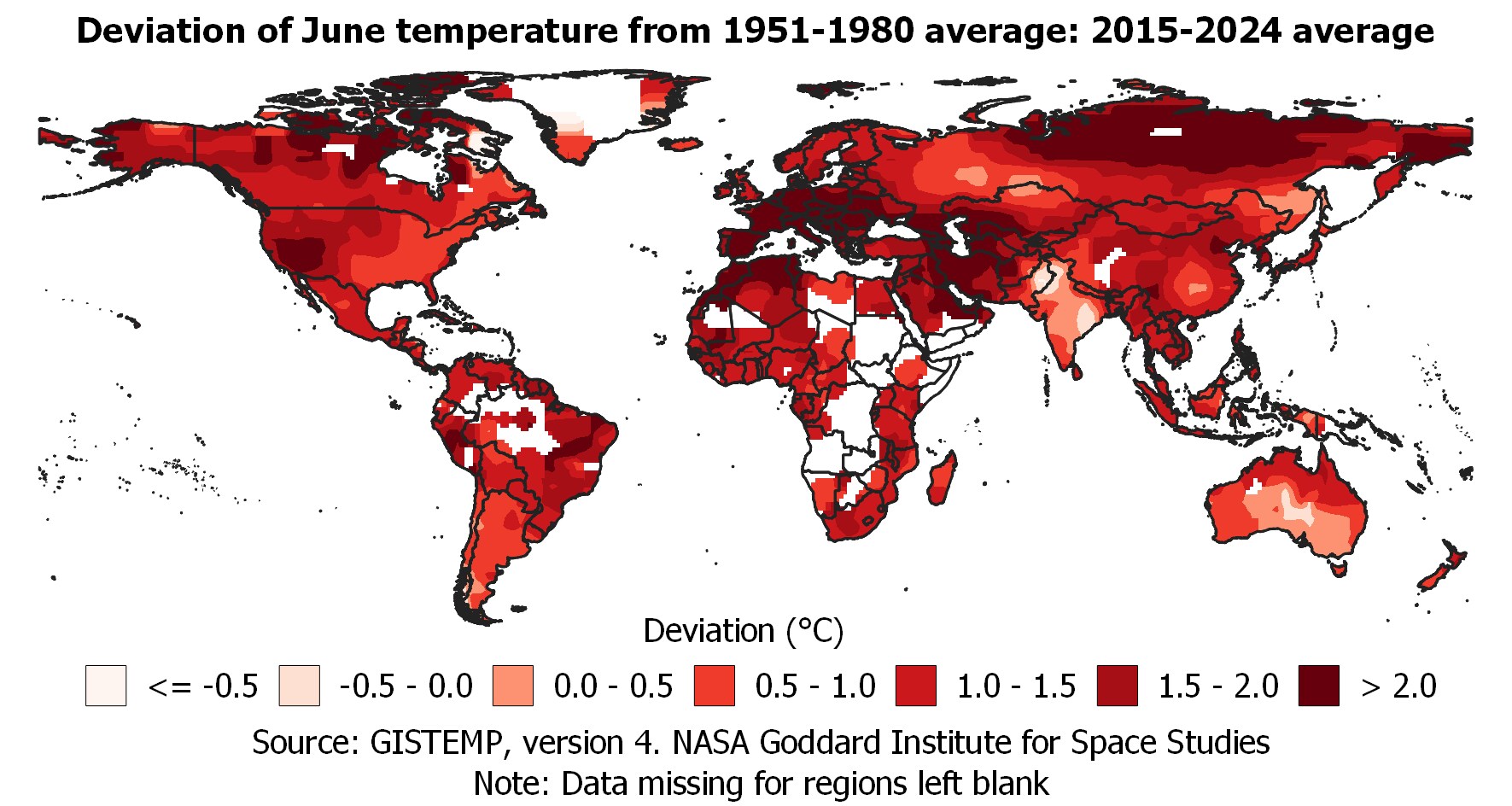
That temperatures in Europe have been far from usual in the past month is clear. Spain and England recorded their hottest recorded June this year, the average for the former surpassing the usual average for July and August. France, too, recorded its second warmest June month. This explains the two heat-related deaths that were acknowledged in France, one that is being investigated in Spain, and two that occurred due to a wildfire in Spain.
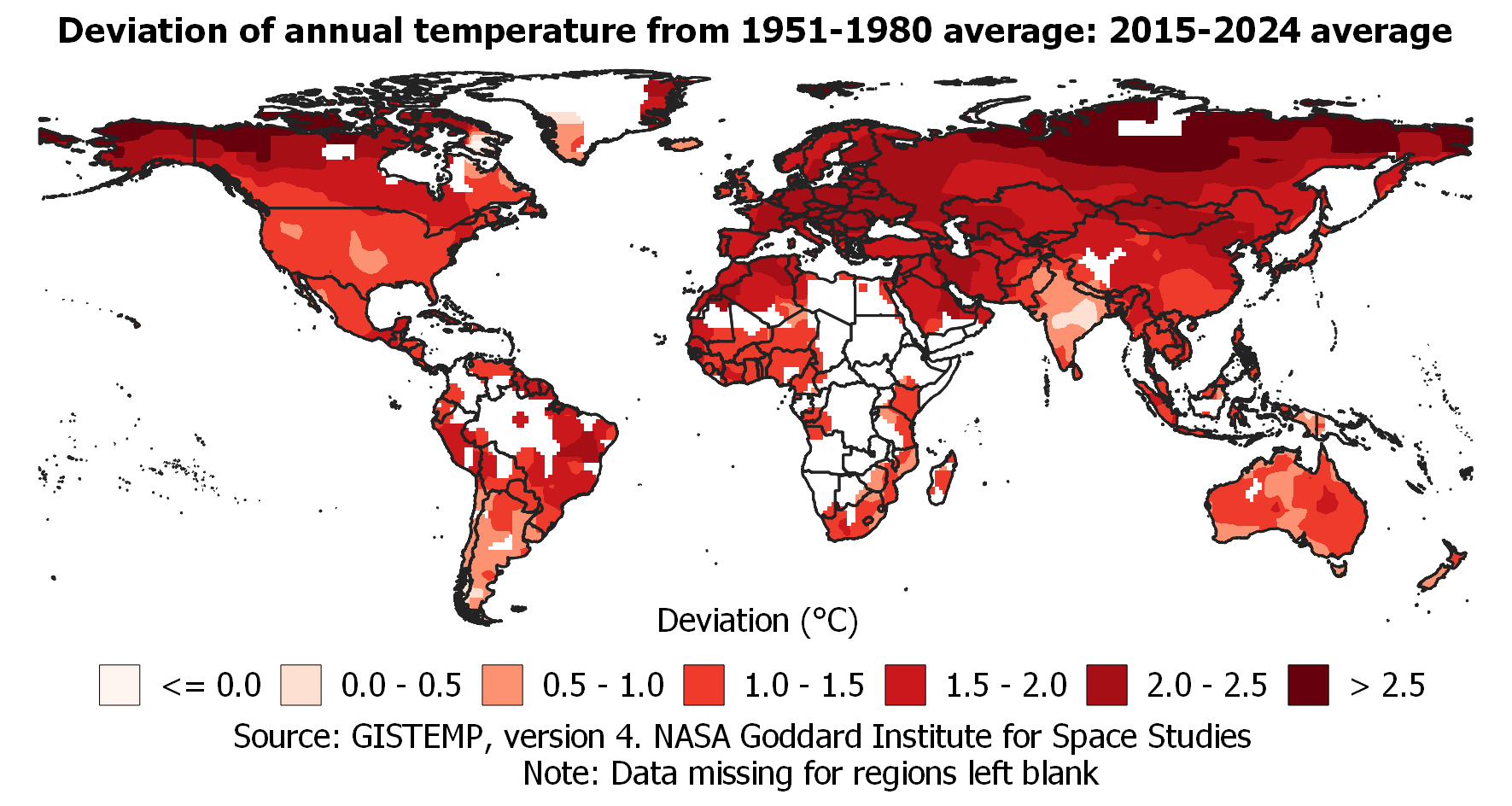
However, the unprecedented nature of heat this June does not mean that this is a stray event. It will not be surprising if this year’s records are broken in the next few years or just the next. This is because Europe warmed up the more than any other region on land in the past decade in June. This means that it needs to adapt fast.
To be sure, a higher level of warming in June in Europe does not mean that the Europe is as hot as regions closer to the equator. This can be seen in the average monthly temperature for Europe and India. June, July, and August are the three warmest months for the continent as a whole usually. They averaged a maximum temperature of 21°C, 23.3°C, and 22.9°C during 1951-1980 period, the average usually considered the normal against which today’s temperatures are measured. In comparison to Europe, India’s three warmest months (April, May, and June) averaged a maximum temperature of 35°C, 36.6°C, and 34.7°C.
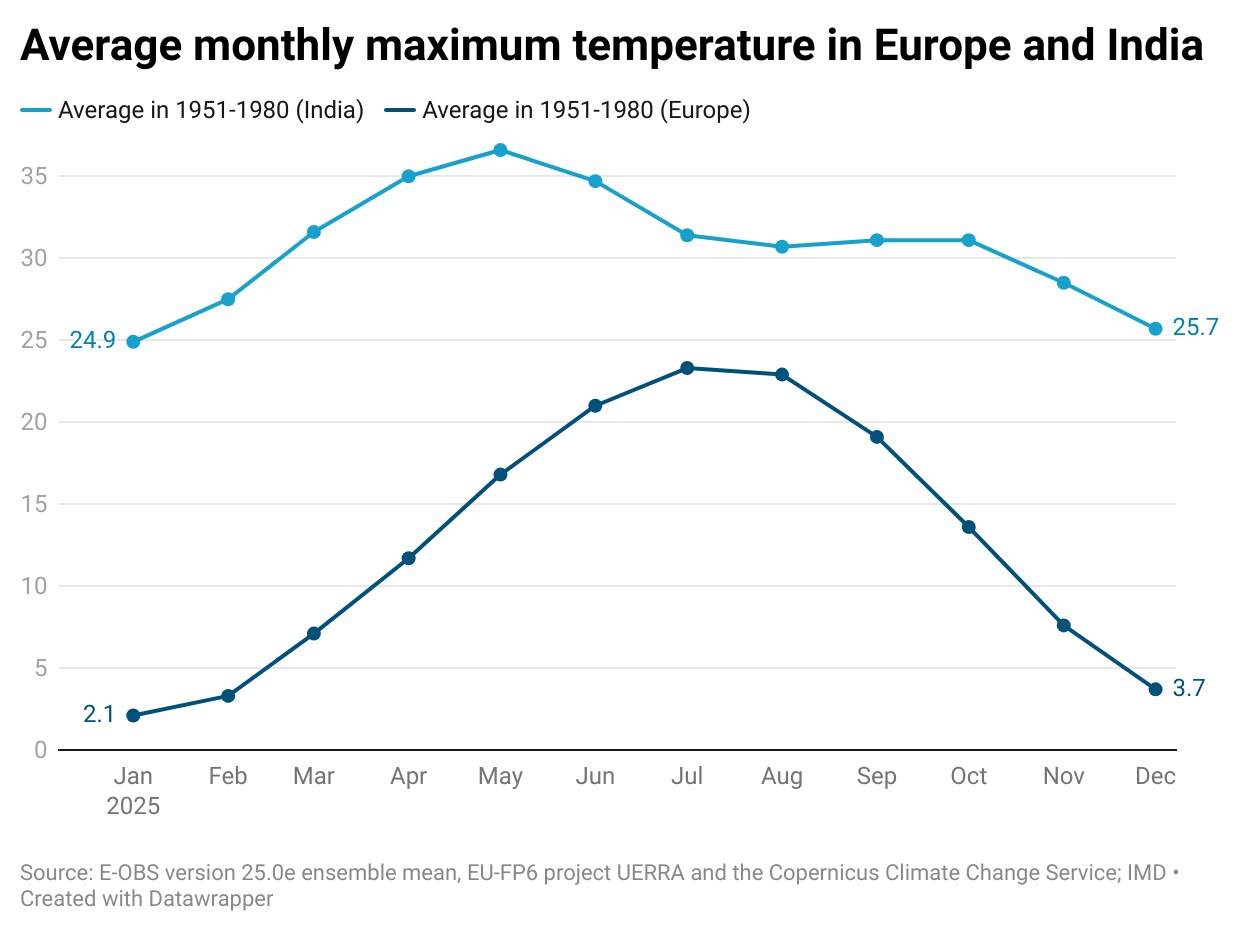
The past climate of Europe means that even with a faster rate of warming, European summer temperatures will need time to catch up to the summer temperatures of places like India. However, with the continent’s infrastructure and houses designed for a much colder climate, the region does not need tropical temperatures to become deadly. This is especially so, because June alone is not warming faster in Europe. Whether one is looking at June temperatures, the temperatures for the full summer season of the continent (June-August), or for the full year, the region warmed up faster than most places on land. This might have some positive consequences, such as less demand for heating in winter; but not without some death and destruction, as is being experienced this summer.