With lampshades made by Indian women and trays from East Africa, H&M said on Tuesday that it had become the latest retail giant to back businesses with a mission to do good, as pressure mounts to end throwaway consumerism.
The world’s second-biggest fashion retailer said it will sell homewares made by two social enterprises - businesses that aim to do good as well as make a profit - in H&M Home and Arket stores in five European countries from late August.
“By offering products made by social entrepreneurs, we want to make it possible for our customers to be change makers,” said Cecilia Tiblad Berntsson, social sustainability manager for H&M Group.
H&M hopes the project will lead to “job creation and positive change for people where it is much needed,” she told the Thomson Reuters Foundation in emailed comments.
Retailers are under growing pressure to prove positive social and environmental impact amid worries about labour exploitation, waste and pollution, with some calling for tax reforms to end a throwaway lifestyle that is ruining the planet.
H&M’s move echoes that of another Swedish retail giant, Ikea, which has been selling products made by social enterprises since 2012, such as Ugandan coffee and Thai textiles.
Luxury outdoor brand Canada Goose launched a social enterprise earlier this year, Project Atigi, hiring Inuit seamstresses to design parka coats, while the United Nations is promoting its Made51 brand of crafts by refugee artisans.
Critics have said that environmental campaigns by fast-fashion businesses like H&M, whose growth depends on selling more products, amount to little more than “greenwashing”.
Its first foray into social entrepreneurship, H&M has selected businesses that create jobs for marginalised people who would otherwise struggle into employment.
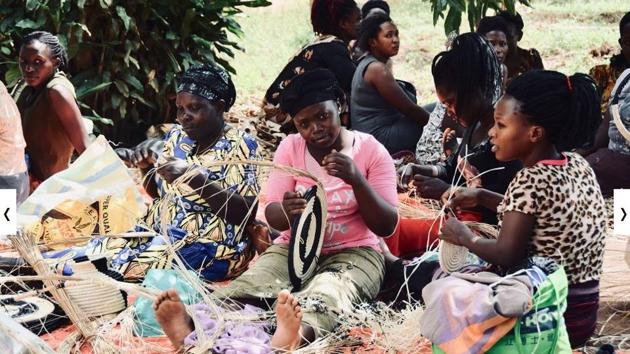
Employee-owned Bangalore Greenkraft in India makes lampshades from banana leaves and All Across Africa hires artisans in Rwanda and Uganda to make baskets and trays, which will be sold in Sweden, Norway, Britain, Denmark and Germany.
H&M would not disclose details of how many products it plans to stock, but a spokeswoman confirmed it is “a small scale” pilot scheme.
The retailer said it does not plan to profit from the scheme either, with profits going to the social enterprises which will use them to advance their social missions.
H&M has tried to improve its environmental credentials in recent years, using more organic cotton, encouraging customers to recycle their clothing and trialing sales of second-hand clothes in its stores.
This story has been published from a wire agency feed without modifications to the text.
Follow more stories on Facebook and Twitter
Catch your daily dose of Fashion, Taylor Swift, Health, Festivals, Travel, Relationship, Recipe and all the other Latest Lifestyle News on Hindustan Times Website and APPs.
Catch your daily dose of Fashion, Taylor Swift, Health, Festivals, Travel, Relationship, Recipe and all the other Latest Lifestyle News on Hindustan Times Website and APPs.