A team of researchers has revealed that a specific magnetic resonance imaging procedure of six-month-olds may help in predicting which babies are at a high risk of developing autism disorder by age two.
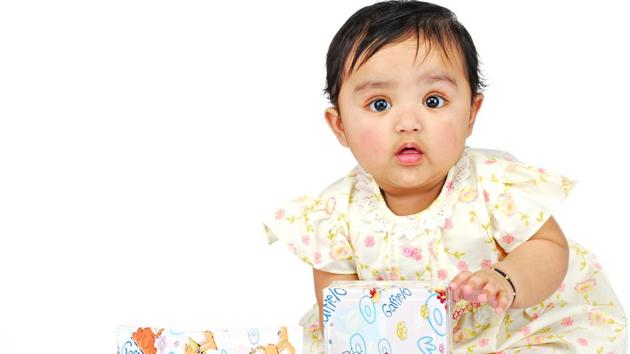
Autism is a developmental disorder characterised by difficulties in social interaction and communication and by restricted or repetitive patterns of thought and behaviour. According to researchers, siblings of children diagnosed with autism are at higher risk of developing the disorder.
Although early diagnosis and intervention can help improve outcomes for children with autism, there currently is no method to diagnose the disease before children show symptoms. The findings revealed that this method, functional connectivity magnetic resonance imaging (fcMRI), identified 82 percent of the newborns, who would go on to have autism (9 out of 11) and it correctly identified all of the children, who did not develop autism.
Diana Bianchi, director of Eunice Kennedy Shriver National Institute of Child Health and Human Development in the US said that previous findings have suggested that brain-related changes occur in autism before behavioural symptoms emerge. Bianchi added that if future studies confirm these results, then detecting brain differences may enable physicians to diagnose and treat autism earlier than they do today.
The research team led by NIH-funded investigators at the University of North Carolina at Chapel Hill and Washington University School of Medicine in St. Louis focused on the brain’s functional connectivity - how regions of the brain work together during different tasks and during rest. Using fcMRI, the team scanned 59 high-risk, six-month-old infants while they slept naturally. The children were deemed high-risk because they have older siblings with autism. At age two, 11 of the 59 infants in this group were diagnosed with autism.
{{/usCountry}}The research team led by NIH-funded investigators at the University of North Carolina at Chapel Hill and Washington University School of Medicine in St. Louis focused on the brain’s functional connectivity - how regions of the brain work together during different tasks and during rest. Using fcMRI, the team scanned 59 high-risk, six-month-old infants while they slept naturally. The children were deemed high-risk because they have older siblings with autism. At age two, 11 of the 59 infants in this group were diagnosed with autism.
{{/usCountry}}The researchers used a computer-based technology called machine learning, which trains itself to look for differences that can separate the neuroimaging results into two groups, autism or non-autism, and predict future diagnoses. Joshua Gordon, director of the National Institute of Mental Health said that in the future, neuroimaging may be a useful tool to diagnose autism or help health care providers evaluate a child’s risk of developing the disorder.
Overall, the team found 974 functional connections in the brains of 6-month-olds that were associated with autism-related behaviours. The authors propose that a single neuroimaging scan may accurately predict autism among high-risk infants, but caution that the findings need to be replicated in a larger group. The study is published in the journal of Science Translational Medicine.
Follow @htlifeandstyle for more
Catch your daily dose of Fashion, Taylor Swift, Health, Festivals, Travel, Relationship, Recipe and all the other Latest Lifestyle News on Hindustan Times Website and APPs.
Catch your daily dose of Fashion, Taylor Swift, Health, Festivals, Travel, Relationship, Recipe and all the other Latest Lifestyle News on Hindustan Times Website and APPs.