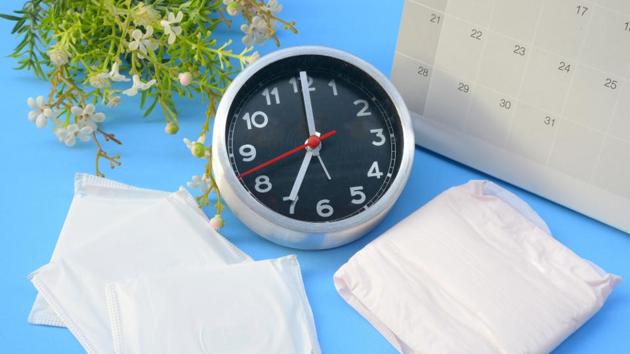
According to a recent study, heavy periods might soon become a thing of the past.
The University of Edinburgh researchers have developed a new drug that tricks the womb into healing faster, which stops your bleeding sooner, reports The Independent.
The scientists explored how the shedding of the endometrium (the womb lining) is linked to dropping levels of oxygen during menstruation. The study discovered that lowered levels of oxygen - known as hypoxia - stimulates the production of a protein called HIF-1, which drives the repair of the womb lining.
Women with heavy periods had reduced levels of HIF-1 compared with women with normal blood loss, the findings showed. Tests on mice using a drug to boost levels of HIF-1 led to improved tissue repair and reduced blood loss. The results offer hope for therapies, the scientists noted.
Researcher Dr Jackie Maybin said, “Our findings reveal for the first time that HIF-1 and reduced levels of oxygen in the womb are required during a period to optimise repair of the womb lining. Excitingly, increasing levels of the HIF-1 protein in mice shows real promise as a novel, non-hormonal medical treatment”.
Welcoming the results, Dr Neha Issar-Brown, Head of Population and Systems Medicine at the MRC, noted, “Heavy bleeding is a debilitating condition that a staggering number of women have to live with. Unfortunately, there aren’t many therapies to help alleviate discomfort from menorrhagia which, added to the obvious emotional impact, can severely impact women’s day-to-day activities and well-being”.
{{/usCountry}}Welcoming the results, Dr Neha Issar-Brown, Head of Population and Systems Medicine at the MRC, noted, “Heavy bleeding is a debilitating condition that a staggering number of women have to live with. Unfortunately, there aren’t many therapies to help alleviate discomfort from menorrhagia which, added to the obvious emotional impact, can severely impact women’s day-to-day activities and well-being”.
{{/usCountry}}Tina Weaver, CEO of Wellbeing of Women, also revealed how many individuals will benefit from these new findings. “Heavy bleeding is a debilitating and common condition that affects thousands of women and girls but too often gets dismissed”, said Weaver. The study is published in journal Nature Communications.
Follow @htlifeandstyle for more
Catch your daily dose of Fashion, Taylor Swift, Health, Festivals, Travel, Relationship, Recipe and all the other Latest Lifestyle News on Hindustan Times Website and APPs.
Catch your daily dose of Fashion, Taylor Swift, Health, Festivals, Travel, Relationship, Recipe and all the other Latest Lifestyle News on Hindustan Times Website and APPs.