
 E-Paper



When 'Minimalism' Stopped Meaning 'Empty': How Pittari Is Redefining It for Indian Homes
Pittari's rugs, priced at ₹2,599, highlight a new approach to minimalism in India, merging clean designs with cultural significance.

 Prefer HTon Google


Pittari launched in 2024 with gold-accent rugs priced at ₹2,599. The first collection sold out in 21 days—not because minimalism is unviable in India, but because the brand identified what it represents here.
Western minimalism promised calm through emptiness. Indian homes tried it and felt something lacking.
The Translation Problem
Scandinavian minimalism works in Scandinavia. Long winters make light-maximising white spaces functional. Cultural norms around entertaining differ. Homes operate differently.
Indian contexts are different. Abundant light. Compact apartments. Family dropping by unannounced. Homes that transform for festivals—Diwali needs diyas, rangoli, textiles that signal celebration.
Western minimalism treats these as clutter. Indian life treats them as necessary.
Pittari's founder, 23, grew up around textile manufacturing. He observed Indian consumers navigate this tension—wanting clean, contemporary spaces that also felt like home.
The brand's approach: minimalism isn't emptiness. It's intentionality.
What Indian Minimalism Actually Looks Like
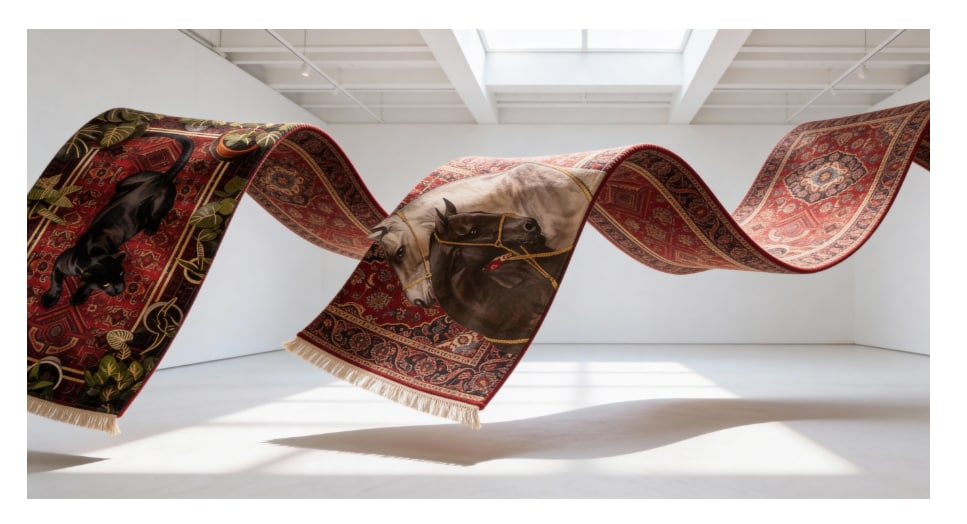
Pittari's rugs illustrate what works. Gold accents on clean foundations. Enough visual interest to feel intentional, enough restraint to avoid overwhelm.
They anchor 900-square-foot apartments without overtaking them. Contemporary enough for daily minimalism. Culturally resonant enough for Diwali. One piece doing the work of many.
That's minimalism reframed—fewer items, greater meaning. Quality over quantity. Spaces that work lean but adapt when needed.
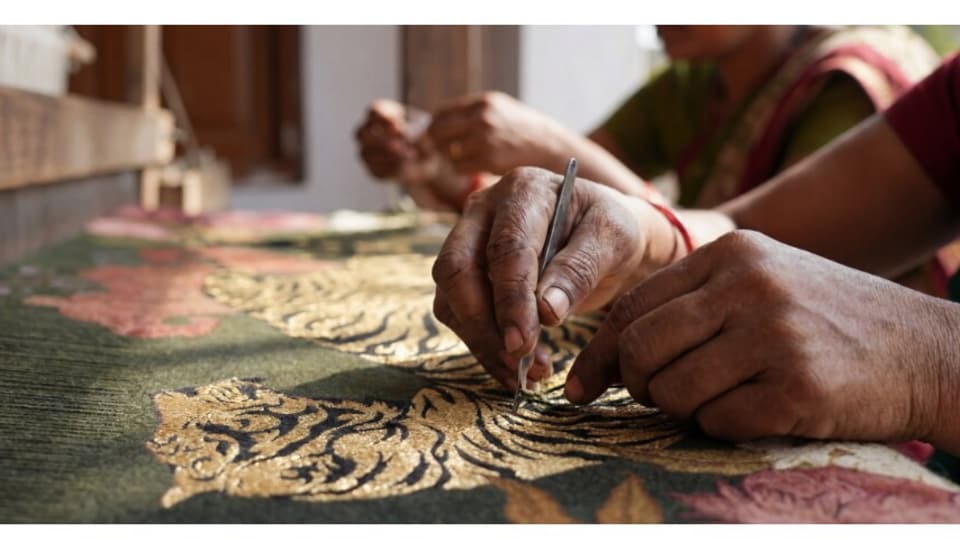
The workforce is 80% women, many first-generation earners. Handcrafted production that takes weeks. At ₹2,599, it competes with standard contemporary rugs while delivering something imports may not offer: cultural intelligence.
Why It's Working
Young Indians furnishing apartments don't see heritage and modernity as opposing forces. They want both. Spaces that breathe during regular weeks. Spaces that transform for celebrations.
Neutral bases that aren't overly sterile. Intentional design that isn't culturally blank. Restraint without erasure.
Pittari's three-week sellout suggests the market was receptive for this. Not minimalism rejected. Minimalism adapted.
Edit what serves you. Keep what makes a house yours. Design for the transition between daily calm and festival abundance.
Western minimalism said subtract. Indian minimalism says be intentional about what stays.
Pittari demonstrated there's demand for brands that understand the difference. Contemporary but warm. Uncluttered but meaningful. Minimal in volume, strong in cultural resonance.
Not compromise. Evolution.
And at ₹2,599, priced so customers don't have to choose between the aesthetic they want and the budget they have.
Note to the Reader: This article is part of Hindustan Times' promotional consumer connect initiative and is independently created by the brand. Hindustan Times assumes no editorial responsibility for the content.


