The city has recorded a five-year high number of malaria cases, 273, despite fewer spells of rain this monsoon, according to the data available with the health department.
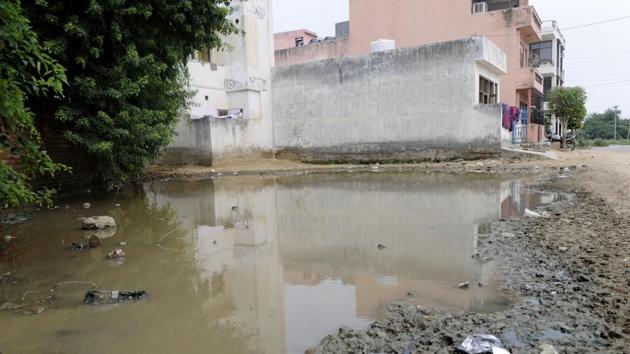
Officials said they were surprised that the number of malaria cases is more than those of dengue and chikungunya. So far, 57 dengue cases and 32 chikungunya cases have been reported in the city.
At present, the city has recorded 273 cases of malaria, as on Wednesday, which is alarming, doctors at Gurgaon’s Civil Hospital said.
The rise in the number of malaria cases is also a blow to the state’s aim of becoming malaria-free by 2020.
Malaria is caused by the P. falciparum parasite that commonly infects the type of mosquito that feeds on humans. The condition results in severe infections and if not promptly treated, may also lead to death, experts said.
“Every day, we are receiving more than four cases that are testing positive for malaria. These patients suffer from fever, headache, shivers and chills. We are closely monitoring the patients,” said BK Rajora, chief medical officer, Civil Hospital.
Doctors were of the opinion that the decrease in the number of patients in the last four years may have affected resistance to the disease.
“People are showing less resistance to malaria this year. It might because cases of malaria were fewer in the previous years. Regular fogging drives are being conducted in affected areas of the city and our breeding checkers are on the job to curb breeding of mosquitoes,” said Ram Prakash, in-charge of the epidemic department, Civil Hospital.
{{/usCountry}}“People are showing less resistance to malaria this year. It might because cases of malaria were fewer in the previous years. Regular fogging drives are being conducted in affected areas of the city and our breeding checkers are on the job to curb breeding of mosquitoes,” said Ram Prakash, in-charge of the epidemic department, Civil Hospital.
{{/usCountry}}In 2016, the city reported 38 malaria cases, down from 67 in 2015, 79 in 2014 and 212 in 2013.
According to World Health Organisation (WHO), around 70% of all malaria deaths occur in the 0-5 age group. Children under five years of age, pregnant women and patients with HIV/AIDS, as well as non-immune migrants and travellers are considered the most vulnerable, doctors said.
Stay updated with all the Breaking News and Latest News from Mumbai. Click here for comprehensive coverage of top Cities including Bengaluru, Delhi, Hyderabad, and more across India along with Stay informed on the latest happenings in World News.
Stay updated with all the Breaking News and Latest News from Mumbai. Click here for comprehensive coverage of top Cities including Bengaluru, Delhi, Hyderabad, and more across India along with Stay informed on the latest happenings in World News.