
 E-Paper



The pressure to be thin makes overweight consumers spend more


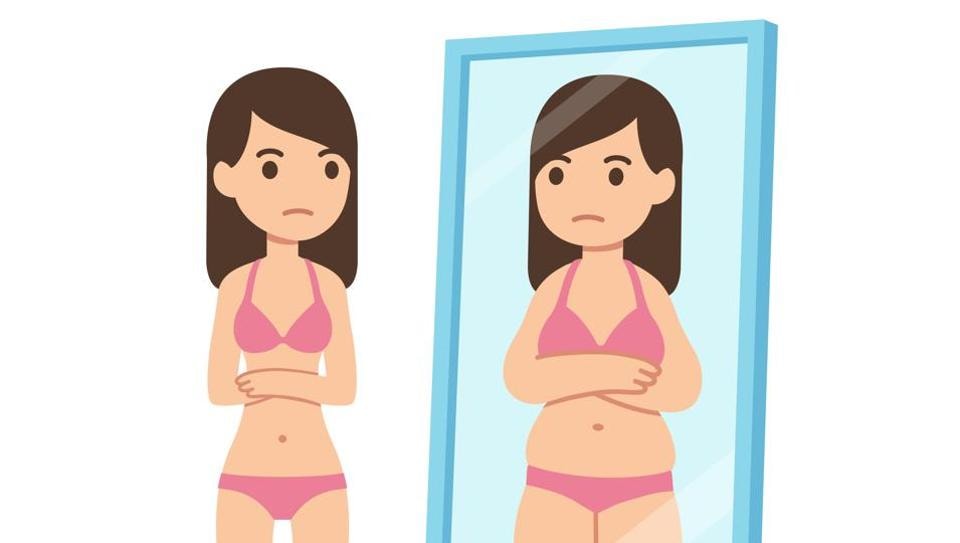
Reminders of thin-body ideal can cause overweight consumers to feel worse about their own abilities, including feeling less capable of managing their spending impulses.
Even subtle visual reminders of idealised, thin bodies may encourage overweight consumers to indulgently overspend, a new study has found.
Researchers, including those from Colorado State University in the US, compiled two studies.
In one study consumers were shown an object with a thin, human-like shape. Researchers found that high-BMI consumers were more likely to buy a higher-priced, branded bottle of water than a lower-priced, generic-brand bottle.
Another study on shopping found that high-BMI consumers were more willing to take on credit card debt after seeing a thin (vs wide) shape because they felt less capable of managing their spending impulses.
It was found that mere reminders of the thin-body ideal can cause overweight consumers to feel worse about their own abilities, including feeling less capable of managing their spending impulses.
The findings suggest that consumer advocates should be wary of reinforcing the link between weight, self-control and financial achievement, as doing so can be counterproductive, researchers said.
The implications are particularly important given the negative consequences such messages could have on consumer debt and spending, they added.
“In our research, we show that exposure to body cues (i.e. shapes) can have unintended consequences on seemingly unrelated behaviour, such as spending,” said Marisabel Romero of Colorado State University.
“We demonstrate that seeing a thin (vs wide) human-like shape leads high-body-mass-index consumers to make more indulgent spending decisions” said Adam W Craig of University of Kentucky in the US.
The findings were published in the Journal of Consumer Research.
Follow @htlifeandstyle for more
Catch your daily dose of Fashion, Taylor Swift, Health, Festivals, Travel, Relationship, Recipe and all the other Latest Lifestyle News on Hindustan Times Website and APPs.


