E-Paper



AIIMS to start registry of all orthopaedic implant surgeries to track outcomes

 Prefer HTon Google


The AIIMS orthopaedic department is in the process of submitting a proposal to the ICMR in this regard so that it is executed as an Icmr-supported project that can also be replicated in other regions.
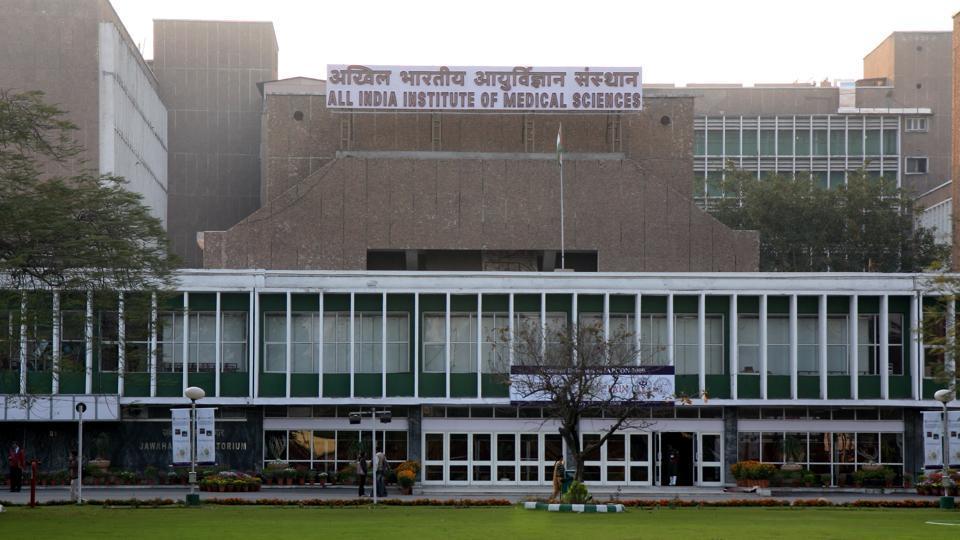
The All India Institute of Medical Sciences (AIIMS), Delhi, will start a registry of all orthopaedic implant surgeries done at the hospital to keep track of surgical outcomes such as revision procedures, infection rate, etc.
It could act as a reference point for a national registry that the Union health ministry began considering after the Johnson & Johnson’s faulty hip implants controversy, which highlighted the need for documenting the results of all surgeries across the country where implants were being used.
“We are starting our own hospital-based registry, and have the in-principle approval of the director. The work has already begun on the project that we plan to execute with the support of the Indian Council of Medical Research (ICMR),” said Dr Rajesh Malhotra, head of orthopaedic department, AIIMS.
“It is important to know how many total surgeries are being performed, what types of artificial joints are being used, how many patients need revision surgeries and reasons for it. At the moment, people are supposed to share data voluntarily but the need is to make it mandatory so that people don’t conceal surgical outcomes,” he added.
The hospital is one of the busiest centres for orthopaedic implant surgeries in India and performs about 1,500 hip- andknee implants in a year.
There is a need for an audit as only about 1%-2% of around 3 lakh implant surgeries are being done in government-run centres; the rest are done at private centres.
“Incidentally, high volume centres put together do less numbers than the centres that operate in small volumes. The documentation needs to be done uniformly to get to know the trend about which implant is working the best in our country, and what is causing implant failure etc.,” said Dr Malhotra.
The AIIMS orthopaedic department is in the process of submitting a proposal to the ICMR in this regard so that it is executed as an Icmr-supported project that can also be replicated in other regions.
“The AIIMS could work as a nodal centre and there can be other regional centres in the north-east, west and south that can be established for documenting the details comprehensively,” Dr Malhotra maintained.
Those doing implant procedures are expected to furnish safety details as part of national pharmacovigilance system.
“It’s there in the law to share safety data with the regulatory authorities. It needs to be enforced harder as not all are sharing relevant data with the government,” said a senior health ministry official, requesting anonymity.