
 E-Paper



Gift of life: Have you registered on the stem cells donors list?

 Prefer HTon Google


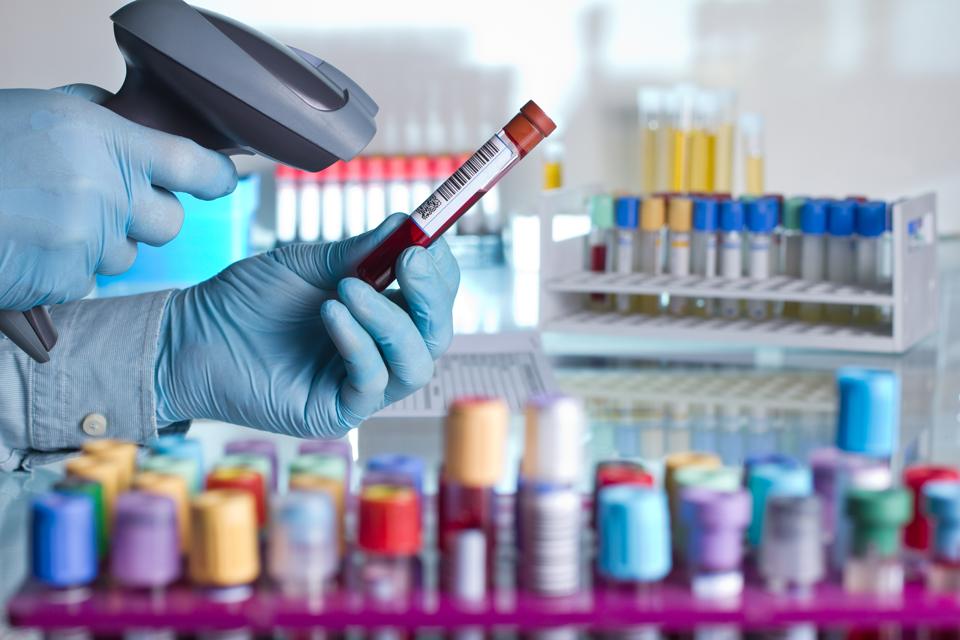
Donating stem cells to save a life is now a painless, non-invasive process. It’s as simple as donating blood. And non-profit registries across India are doing what they can to popularise the idea
“I am the youngest in the family, I am just a year old,” says Garima Saraswat, 34, a sales manager from Delhi, who underwent a bone marrow transplant for her leukaemia or blood cancer last year and got a second chance. When she received her diagnosis in December 2016, she was given only a few months to live.
Saraswat was not prepared to leave her five-year-old son behind. So she took her doctor up on the offer of a bone marrow transplant. But where would the marrow come from? DATRI came to her aid. The non-profit maintains the largest stem cell donor registries in the country with 3 lakh people. “I had 9 matches, some people declined, but I finally found a donor. I had the transplant in February 2017 and am regaining my strength,” says Saraswat.
She met her donor Gurumurthi this week in Delhi. Gurumurthi, who goes by one name, works as a car repair mechanic at a Honda Showroom in Coimbatore, Tamil Nadu. He registered as a donor in 2015 when the family conducted a drive to find a donor for his niece with thalassemia.
“When I got a call for donation, I was happy as I knew that I’d be saving a life. Looking at her I get so emotional. She’s the same age as the sister I lost.” he says.

The shortage
For a bone marrow transplant, doctors match donors according to the human leukocyte antigen (HLA), a group of genes that are responsible for the regulation of the body’s immune system.
Once the donor’s Human Leucocyte Antigen (HLA) type matches with a transplant patient’s, he or she will have to go through a full physical examination to ensure they are fit. “We send our doctors to the donor’s residence daily for five days to inject a drug called G-CSF (Granulocyde-colony stimulating factor) to increase the number of stem cells in the bloodstream. The donation occurs on the sixth day and then there’s a free follow-up check to ensure that the donor has no negative reactions,” says Dr Sunil Parekh, haematologist and chairman of Marrow Donor Registry India (MRDI). The Mumbai non-profit Marrow Donor Registry India (MDRI), has been working to promote altruistic stem cell donation in the city since 2008. “We are a team of 13 healthcare professionals trying to establish a database of voluntary donors. So far 40,000 donors have listed with us and we have aided around ten stem cell transplants, including two underway,” says Dr Parekh.
“A country with a population of 134 crores, should have a registry of at least 5 crores to ensure that everyone who needs a bone marrow transplant can find a match,” says Kapil Gupta, co-founder and project coordinator at GeneBandhu, which has around 14,000 registered donors
For a bone marrow transplant, the usual route has been to look for donors from the family – usually siblings who might be a complete match. “If no one matches, there are small registries run by a few not-for-profit organisations in the country. The next preference is given to a half-match HLA,” says Dr Jyoti Kotwal, head of the department of haematology at Sir Ganga Ram hospital.
The chances of having a complete-match sibling is one in four. And with so few registries, many who need bone marrow transplant cannot get it.
“Only 10% of the people who need a bone marrow transplant manage to find a match. Every month we get a request for nearly 200 matches, but we are able to get a donor for only 12 or 15 people,” says Raghu Rajagopal, DATRI’s co-founder and CEO.
An estimated 10 to 12 thousand children are born with thalassemia major every year, according to a recently published study. All of them need bone marrow transplants, without which they have to get regular blood transfusions leading to iron deposition on their organs and organ failure. Leukaemia patients are the next most common group seeking donors.
“Around 16,000 people in India are diagnosed with leukaemia every year, 10% of them need a bone marrow transplant,” says Dr Kotwal.
Why India needs its own registry
Garima was lucky to find a match. Others like Dony Kuriakose are not so lucky. He is still looking for a match in Kerala for his 32-year-old nephew Aashim who was diagnosed with leukaemia last year and is undergoing treatment at Mount Sinai hospital in New York City.
“Indians are an ethnically a diverse population and even though we find a few matches for the north Indian population among the Caucasians and Germans. For people from South India, because of their genetic makeup, Indians are the best match,” says Dr Kotwal.
A person is more likely to find a donor within their community. “For those who not find a match in the registries, we ask people that they get as many people from their hometown to register as donors,” says Rajagopal.
Cost is also an issue. “Most organisations that maintain these registries in India are not for profit and charge only the cost of operations. But, the cost for stem cells required for one transplant can go up to R 5 to 7 lakhs. If larger databases are created, this cost will come down,” says Gupta. Apart from that, having a large database at home will mean that people will not depend on global databases, procuring from where could cost anywhere between Rs 20 to 40 lakhs.
The north-south divide
Data from DATRI’s database shows that the highest numbers of registered donors are from southern states of India. Kerala takes the lead with 60,630 registrations. Registrations are much lower in Chandigarh (883), Rajasthan (1,158), Punjab (3,468), and Haryana (4,816). Nearly 6,000 donors from Delhi are registered with DATRI.
The major hurdle for the registries to recruit donors is awareness. “Most people do not know about stem cell donation and even the ones who know think that to donate for a bone marrow transplant, they need to undergo a painful procedure. This is absolutely not true. Now, donating bone marrow is as simple as donating blood,” says Rajgopal.


