E-Paper



Health Talk | National Institute of Nutrition's dietary guidelines are a recipe for healthy living
The dietary guidelines emphasise the importance of balanced nutrition and physical activity to combat India's rising burden of non-communicable diseases

 Prefer HTon Google


This cannot be stressed enough — eating right and physical activity is the key to a healthy life. And if you are one of those people who isn't active, and whose plate is full of calorie-dense and limited nutritional value food items, then it is an open invitation to developing non-communicable diseases at some point.
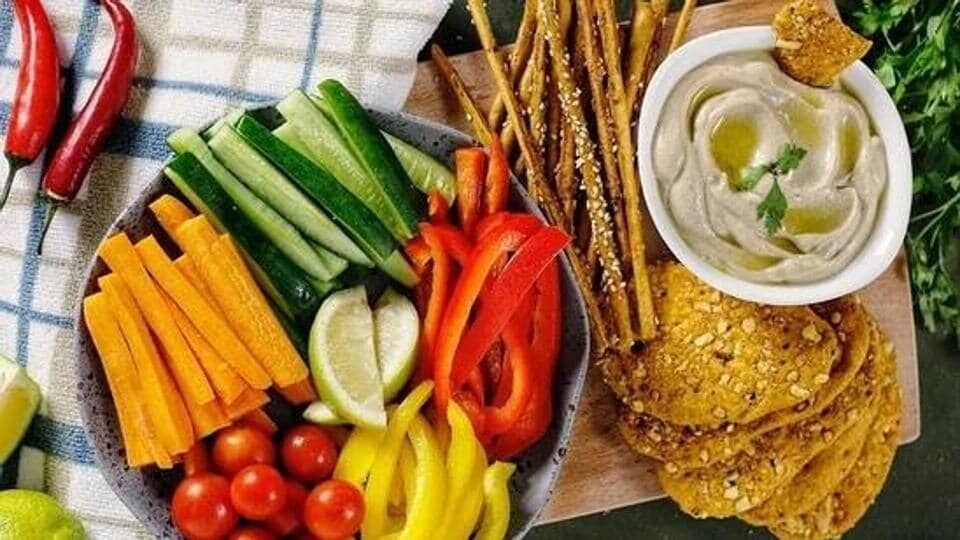
What one eats throughout the day has to be balanced to fulfil the nutritional needs of the body. However, there is no single food or food group that can provide all the necessary nutrients; therefore, one needs to eat a variety of foods.
The recent dietary guidelines issued by the Hyderabad-based National Institute of Nutrition— one of the research institutes under the country’s apex biomedical research regulator, the Indian Council of Medical Research (ICMR)— have mentioned the problem and its solution in a detailed and easy-to-understand manner.
Government estimates show that 56.4% of the total disease burden in India is due to unhealthy diets. Furthermore, the upsurge in the consumption of highly processed foods laden with sugars and fats, coupled with reduced physical activity and limited access to diverse foods, exacerbate micronutrient deficiencies and overweight and obesity problems.
“Healthy diets and physical activity can reduce a substantial proportion of coronary heart disease and hypertension and prevent up to 80% of type 2 diabetes. A significant proportion of premature deaths can be averted by following a healthy lifestyle," the NIN said in the report.
The ICMR-NIN's "My Plate for the Day" report recommends sourcing macronutrients and micronutrients from a minimum of eight food groups, with vegetables, fruits, roots and tubers forming essentially half the plate of the recommended foods per day. The other major portion is occupied by cereals and millets, followed by pulses, flesh foods, eggs, nuts, oil seeds and milk or curd.
According to the recommendations, cereals should contribute no more than 45% of total energy, while pulses, eggs, and flesh foods should contribute around 14–15%; total fat intake should be less than or equal to 30% of the energy, while nuts, oilseeds, milk and milk products should contribute to 8%–10% of total energy per day respectively. However, data show that cereals contribute 50–70% of total energy per day, while pulses, meat, poultry, and fish contribute 6–9% instead of the recommended 14%.
One of the bigger culprits is mid-meal snacking, with unhealthy options available dime a dozen. Experts, however, recommend vegetable or fruit salads adorned with seeds or nuts, topped with yogurt. Additionally, roasted or boiled beans, lobia, chickpeas, and peanuts are suggested to satiate those mid-meal cravings that most of us experience.
These guidelines are meant for the benefit of the general population and practising nutritionists, dietitians, health professionals, and other stakeholders, said experts who drafted them.
A text like this is especially relevant nowadays because people are increasingly growing health conscious, especially after the Covid-19 pandemic, as health-related complications made them opt for a healthy lifestyle. The market may be full of food items high in sugar, salt, or fat, but consumer awareness will eventually create demand for healthy food choices and force companies to provide the same.
Rhythma Kaul, national deputy editor, health, analyses the impact of the most significant piece of news this week in the health sector