E-Paper



Here’s what India is getting right in the battle with Malaria
WHO’s recent report shows that cases of the mosquito-borne disease have increased globally, but India is the only country to have bucked the trend

 Prefer HTon Google


The World Health Organisation’s World Malaria Report 2023 had some grim numbers but also came with a silver lining.
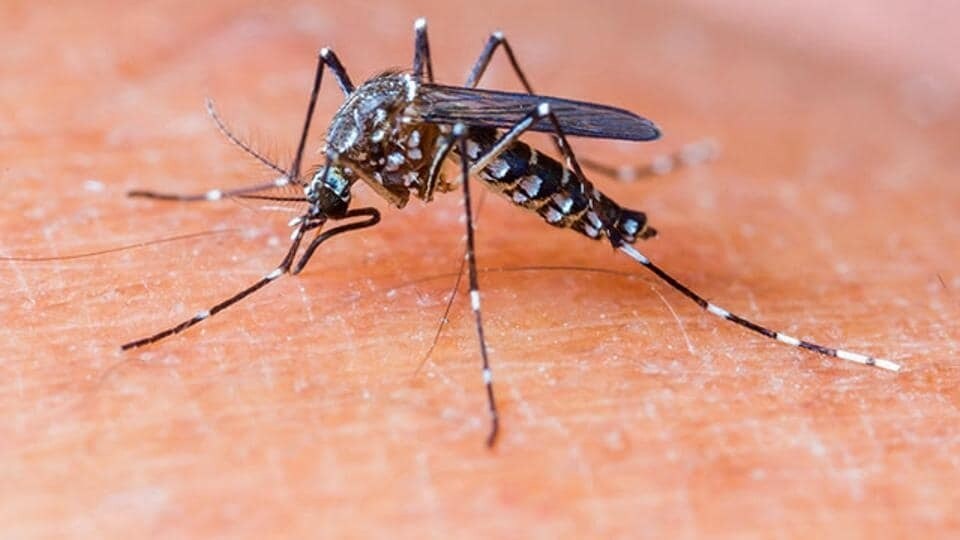
While the world continues to see an increase in new cases of malaria, India is the only country to have bucked the trend — in 2022, India witnessed a 30% reduction in new cases, and a 34% decline in deaths compared to 2021. In contrast, globally, 249 million new cases were recorded in 2022, which was 5 million more than 2021. The number of deaths recorded in 2022 — nearly 600,000 — jumped from the numbers recorded in 2019 (570,000). In 2021, 619,000 deaths were recorded globally.
Nearly 3.3 million new malaria cases were detected in India last year, and 5,000 persons died.
So what is India doing better than the rest of the globe in this fight against the disease? Experts have credited concerted efforts of the Central and state governments for the improvement in the overall situation. In 2016, India launched the National Framework for Malaria Elimination in India 2016-2030, which, according to the then Union health minister JP Nadda, had a “vision to eliminate malaria from the country and contribute to improved health and quality of life and alleviation of poverty.”
While the WHO has set the target of 90% reduction in malaria cases by 2030, India’s target as per the elimination framework is reducing the incidence of malaria to less than 1 case per 1,000 population per year by 2024 from the current incidence of around 2.5 per 1000 population. The framework also aims to interrupt the indigenous transmission of malaria throughout the country to make the country malaria-free by 2027 and prevent the re-establishment of local transmission of malaria in areas where it has been eliminated, creating a national malaria-free status by 2030 and beyond.
WHO issues a certification of malaria elimination to officially recognise a country’s malaria-free status. The certification is granted when a country has shown with rigorous, credible evidence that the chain of indigenous malaria transmission by Anopheles mosquitoes has been interrupted nationwide for at least three consecutive years. A country must also demonstrate the capacity to prevent the re-establishment of transmission.
According to people familiar with the matter in the government, the reduced numbers is a result of a multi-pronged strategy that includes quick case detection and treatment, as well as strong preventive measures.
Various parts of the country differ in their malaria endemicity due to differences in their eco-epidemiological settings, socioeconomic conditions, health system development and malaria control accomplishments. Thus, early case detection and prompt treatment is the main strategy to prevent transmission.
Chloroquine is the primary anti-malaria drug for uncomplicated malaria, and alternative drugs have been prescribed to manage chloroquine-resistant malaria. Drug Distribution Centres and Fever Treatment Depots have been established in rural areas to provide easy access to antimalarial drugs to the community.
Crucial preventive measures entail chemical and biological control through indoor spraying with insecticides, chemical larvicides like abate in potable water, aerosol space spraying during the daytime and malathion fogging during outbreaks, as recommended under the programme. For biological control, the use of larvivorous fish in ornamental tanks, fountains etc, and biocides are recommended. Source reduction is the anchor of environmental management.
The government has ensured that the ground-level frontline healthcare workers, including ASHAs (accredited social health activists), ANMs (auxiliary nurse midwives) along with partner organisations, work in tandem to spread awareness about diagnosis, timely and effective treatment, and vector control measures.
Private practitioners have also been asked to align their malaria case management, reporting of cases and related activities with the national programme to achieve the national target.
Effective surveillance will remain crucial as India enters the elimination phase, according to experts.
“If you look at it from a programmatic perspective, enhancement of the surveillance mechanism is crucial as we enter the elimination phase. When cases are going down, it is all the more important to detect, treat, and follow up every case. If surveillance is good, one can detect all outbreaks in time. We cannot afford to be complacent as transmission potential still remains, and malaria is an outbreak-prone disease,” said Dr Neeraj Dhingra, former director, of India's National Vector Borne Disease Control Programme.
According to Dr Dhingra, the challenge ahead also lies in making effective changes while keeping in mind the elimination phase.
“The programme needs a change now as it enters the elimination phase; someone who took care of 10,000 cases a month now has one, 10 or at the most 12 cases a month to look after. Task-shifting has to be done wherein you define the task of people from the centre to the peripheral level based on the needs of the elimination phase. Last but not least, political advocacy and sustained funding is equally important,” he said.