
 E-Paper



A to Ziya: How parents are picking children’s names in 2026

 Prefer HTon Google


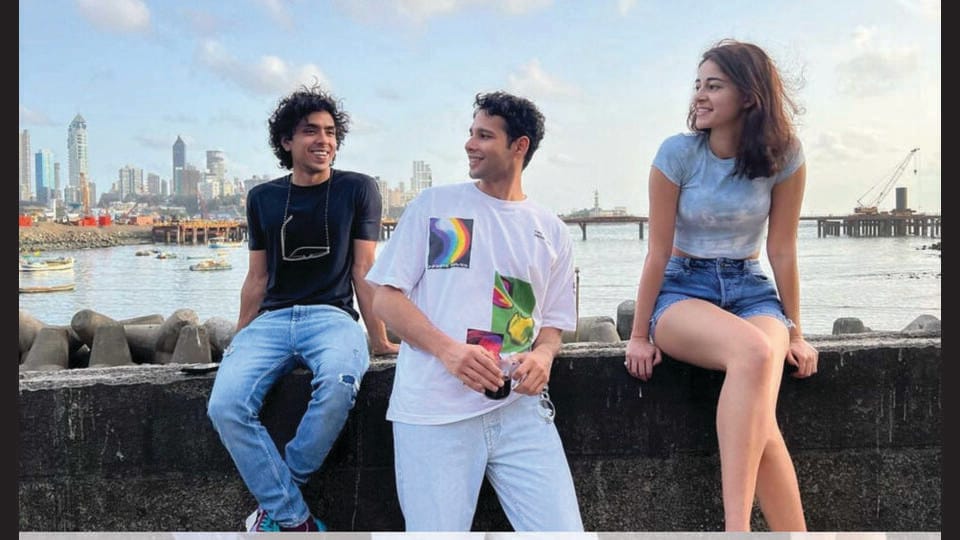
Sorry, Rahul and Neha. It’s the age of Kiaan, Kiaara and Viaan, as parents chase tiny, trendy and global names
Picture this: It’s the first decade of the 2000s. It’s attendance time in an average Indian classroom. Aditya? Present, Miss! Present, Miss! Present, Miss! Aditi? Present, Miss! Present, Miss! Present, Miss! Rahul? Present, Miss! Present, Miss! Present, Miss! Neha? Nehal? Sneha? Snehal? All present, Miss!
Let’s do a time jump to today. From Ahaana to Ziya via Kiaara; from Aaryaman to Zeeshan via Samairaa, the vowels flow freely, the names emerge from the same sonic landscape. Is any little girl called Damayanti anymore? Or Rosie, Hafsa, Nutan or Hutoxi?

Indian baby names are typically drawn from religion and mythology, with local priests selecting an auspicious starting letter. A name might have been chosen for its meaning, its popularity, or simply because it sounded pleasing. It was rarely expected to be original; why invent a name when the neighbourhood already had a perfectly good one? But as families went nuclear, parents went rogue. Names had to stand out, so kids didn’t fade into the background.
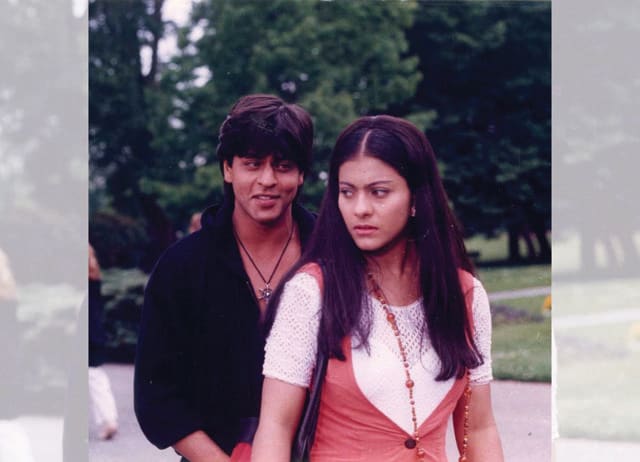
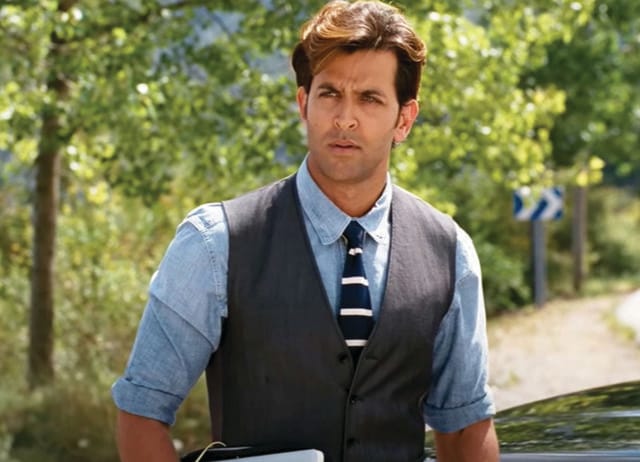
Some names are easy to trace: Simrans flooded classrooms after Dilwale Dulhania Le Jayenge was released in 1995, and all but vanished as the millennium turned. When Hrithik Roshan burst onto the scene in 2000, he gave mummy-daddies the gift of the silent H before R: Enter Hridaans, Hrishis and Hridiyas. Somewhere in the world, there’s a cohort of teens named Khaleesi who watched GoT S8, E6 and are probably cringing.
Call me by your name
Meghana Suresh, 24, grew up in Bengaluru, in a building complex that had 20 flats and three Meghanas. “Sometimes, when we were playing in the basement, we wouldn’t know whose mother was calling them back home,” she recalls. She loves her name: “It means dark rain clouds. In India, where we depend so much on the monsoon, it feels special. Who doesn’t love petrichor?” She believes her grandmother named her, continuing a family tradition in which the female grandchildren are often given rhyming names. Her own name rhymes with her cousin sisters, Sahana and Bhavana. There were several Meghanas among her school seniors, but almost none in the incoming batches. She’s convinced she arrived at the end of the Meghana era – a farewell monsoon shower, if you will.
Rahul Joseph, on the other hand, knows his name is an aberration. Joseph, 31, is Christian, and Rahul marks a departure from the Biblical names common in the community in India. It was deliberate. “They wanted me to be different. Not a cookie-cutter child.” It comes from Rahula, the son of Buddha. “I’ve always liked my name.” And while he did share it with four other students during his school years, the name still stood out in his home town of Kochi and community. “People are now opening up to different cultures and languages when naming their children,” he says.
A for appellation
Bengaluru-based Pooja Chauhan, 32, is one of them. She grew up with what she calls “the most common name in India”. She remembers disliking it. “I almost felt like I was named thoughtlessly,” she says, recalling how she would look at classmates with more unusual names and wonder which one best matched her personality.
So, when the time came to name her son in 2021, she wanted something short, meaningful, and easy to pronounce. But not another trendy Kiyaan or Vihaan. She and her husband, Alok, picked Abeer. “People would ask, ‘Aveer? Kabeer? Veer? And we would clarify, ‘No, A and Beer put together.’” The term means the scented white powder that’s part of traditional puja items, ‘Abeer-gulal’. “It’s meaningful; we also didn’t want to give a ridiculously complicated name that no one gets right, including the kid,” says Chauhan.
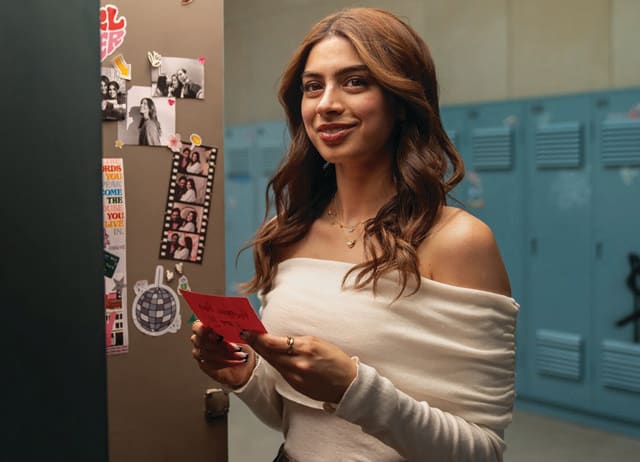
Sahasra means both World and Thousand in Sanskrit. It’s precisely the kind of name Chennai-based Bala, 40, wanted for his daughter who was born in 2019. It’s rooted in tradition, but expansive in meaning. Bala had spent his life being near the top of the alphabetical rankings. He had front-row school desks and was picked first for school projects. He wanted his child to grow up without that bias. “I also think that names starting with S are quite creative and successful,” he says. “It’s easy for me to remind Sahasra that she means the world to me,” he says.
Identity politics
In India, last names can give away caste, region and occupation. First names, on the other hand, can give away the parents’ ambitions. Vivek Desai, 62, chairman and co-founder of iMeUsWe, a family- history platform, describes modern naming conventions as a shift from “inherited identities to crafted identities.” He says that parents today take their time with choosing a name and ask questions: “What does the name mean? How is it pronounced? How will it be perceived? Will it work both in Bengaluru and Berlin?”
His platform published its first Names of India report in 2026. Drawing on 1.6 billion public records, the report traces how Indian naming trends have evolved from 1947 to the present. The clearest shift: They’ve gone shorter. His own granddaughters are named Leila and Tara, which sound Indian but travel easily across cultures. It’s no surprise that NRI parents love the name Neil; in a Western world, it’s no different from saying Neil, a move that preserves homeland identity without seeming like a disadvantage. Desai predicts that the next generation of names will be about “personalisation, not popularity.” So, expect names such as Viaan (’full of life’), Advay (’unique’), and Ira (’Earth’); short, rich in meaning, yet easy to pronounce across cultures. “Every generation names its children differently because every generation dreams differently.”
From HT Brunch, August 8, 2026
Follow us on www.instagram.com/htbrunch


