
 E-Paper



Exercising in cold weather with asthma can be challenging: Here's how to protect your lungs while staying fit

 Prefer HTon Google


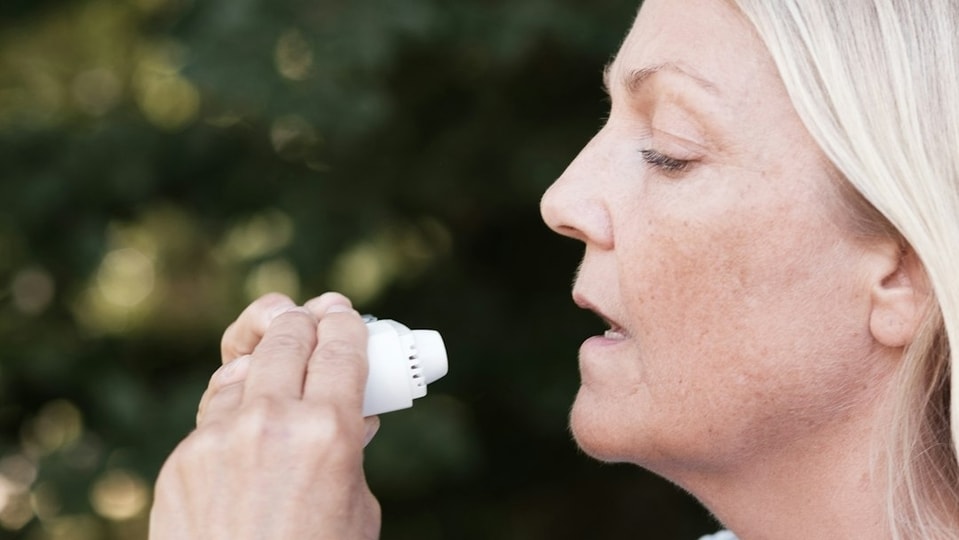
From choosing the right workout to warming up properly, here’s how to exercise safely when cold weather triggers asthma.
Cold, dry air can irritate sensitive airways and trigger asthma symptoms during exercise. Understanding your triggers, preparing before a workout, and following your prescribed treatment can help you stay physically active through the colder months. In an interview with HT Lifestyle, Dr Manas Mengar, senior consultant in pulmonology at KIMS Hospital, Thane, shared tips on how you can continue exercising safely in winter.
Also read | How much exercise does your heart need? Cardiologist shares the ideal weekly target
Impact of winters on asthma patients
According to Dr Mengar, for people living with asthma, a morning walk or an outdoor workout can become uncomfortable when temperatures drop. A few minutes of brisk walking may bring on coughing, chest tightness, wheezing or breathlessness, leaving many wondering whether exercising in cold weather is safe at all. “The answer is generally yes, provided asthma is well controlled, and appropriate precautions are taken,” said Dr Mengar.
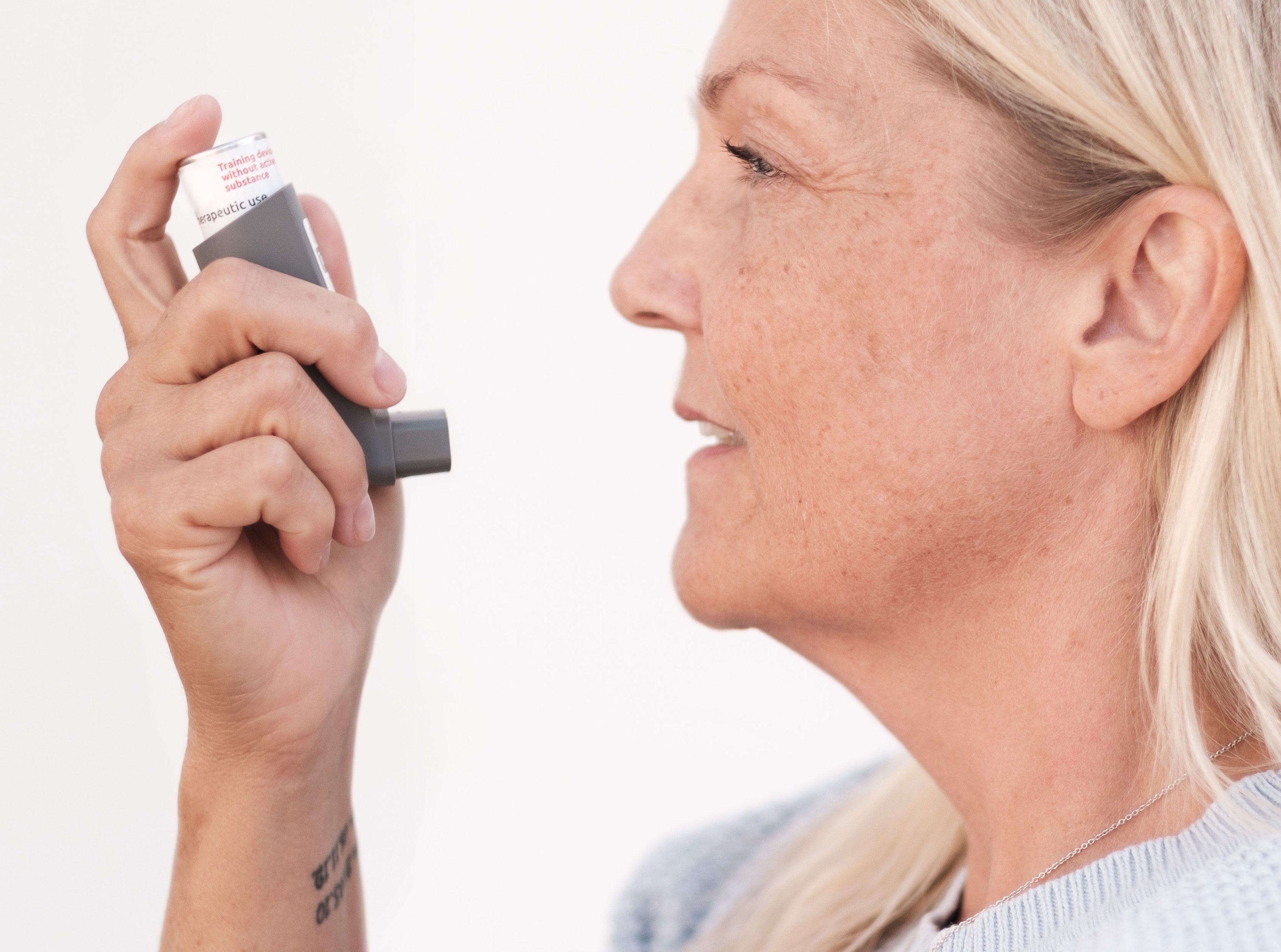
Asthma causes the airways to become inflamed and narrowed, making them more sensitive to certain triggers. In cold weather exercise people often breathe faster and through their mouths , allowing cold, dry air to reach the lower airways with less warming and humidification by the nose. It is called exercise-induced bronchoconstriction, and it can cause the airway muscles to tighten and symptoms to occur. It can occur in people who have asthma, and sometimes in people who are not diagnosed with asthma.
It's not just the cold weather that's involved. Respiratory viral infections, including those that are more common during certain seasons, can exacerbate asthma symptoms. Dust, pollution, smoke, and indoor allergens may also be a factor. For some people, cold air combined with exercise is enough to trigger symptoms, especially if their asthma is not well controlled.
Tips to exercise in winters
According to Dr Mengar, the first step towards safer exercise is understanding how your asthma responds to different conditions. If symptoms regularly appear during a run, cycling session or outdoor walk, do not simply assume that poor fitness is to blame. Asthma-related breathing difficulties deserve attention, particularly if they recur or interfere with everyday activities.
“People with asthma do not need to give up exercise when the weather turns cold, but they should understand their individual triggers and make sure their condition is well controlled. Warming up gradually, protecting the airways from cold air and following the prescribed asthma action plan can help reduce the likelihood of symptoms during physical activity,” said Dr Mengar.
Preparation can make all the difference. Don't go right into an intense workout, warm up first with some light activity. A scarf or suitable face covering worn loosely over the nose and mouth can warm and humidify the air you breathe in outside. You may find it helpful to breathe through your nose. On days when the air is especially cold or polluted, you may prefer to exercise indoors, or at a time when the conditions are better.
“Medication management is also important. If you’ve been given a reliever inhaler to use with exercise-induced symptoms, follow your doctor’s advice on when and how to use it,” highlighted Dr Mengar. Some patients may need adjustments to their asthma management plan, but these should be discussed with a healthcare professional rather than made independently. Regular controller medication, when prescribed, should not be stopped simply because symptoms improve or exercise becomes easier.

Choosing a suitable activity and pace also helps. Walking, indoor cycling and other moderate activities may be easier to tolerate than sudden, high-intensity exertion. But there isn't a universally applicable exercise routine. The amount of activity that is right for you depends on how well your asthma is controlled, your overall fitness level, and what your personal triggers are.
Note to readers: This article is for informational purposes only and not a substitute for professional medical advice. Always seek the advice of your doctor with any questions about a medical condition.


Catch your daily dose of Fashion, Taylor Swift, Health, Festivals, Travel, Relationship, Recipe and all the other Latest Lifestyle News on Hindustan Times Website and APPs.


