E-Paper



Surge in bad health due to lifestyle choices, age: Study
Air pollution, smoking, low birthweight and short gestation were also among the largest contributors to disability-adjusted life years in 2021


The number of people experiencing poor health and early death caused by metabolism-related risk factors such as high blood pressure, high blood sugar and high BMI has increased by 50% since 2000, according to a new global study published on Thursday in The Lancet.
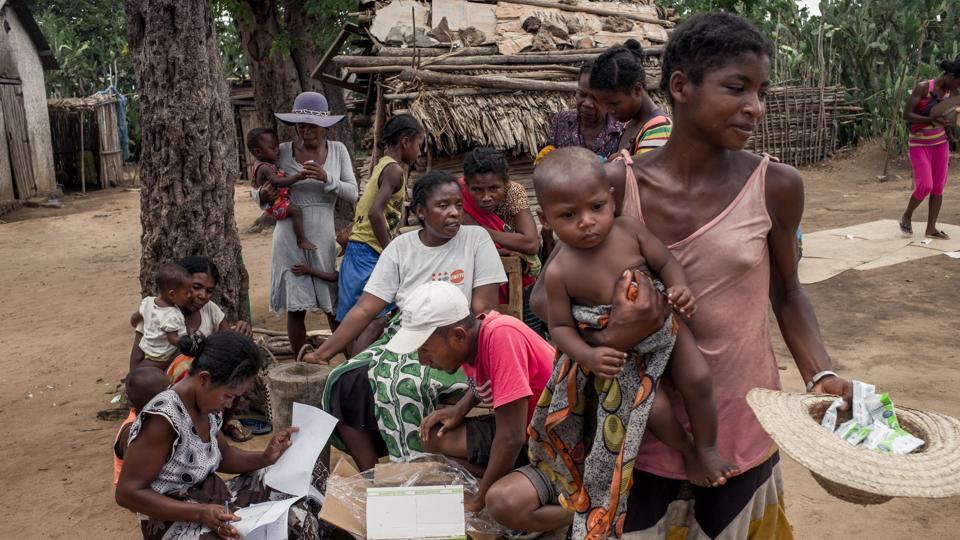
The Global Burden of Diseases, Injuries, and Risk Factors Study (GBD) 2021 provides new insights into health challenges and their driving risk factors.
An increase in people experiencing metabolic risk factors, such as high systolic blood pressure, high fasting plasma glucose, high body mass index, high LDL cholesterol and kidney dysfunction, demonstrates the consequences of an aging population and changing lifestyles globally, the researchers said.
The study found a 49.4% increase from 2000-2021 in the number of global disability-adjusted life years (DALYs) - years of healthy life lost due to poor health and early death - attributable to metabolic risk factors. In ages 15-49, ill health was increasingly tied to high BMI and blood sugar, which increases diabetes risk. High blood pressure and LDL cholesterol were also top-10 risk factors for this age group.
“Though metabolic in nature, developing these risk factors can often be influenced by various lifestyle factors, especially among younger generations,” said Michael Brauer, affiliate professor at the Institute for Health Metrics and Evaluation (IHME). “They also are indicative of an aging population that is more likely to develop these conditions with time. Targeting the reduction of preventable, non-communicable diseases through modifiable risk factors presents an enormous opportunity to pre-emptively alter the trajectory of global health through policy and education.”
Air pollution, smoking, low birthweight and short gestation were also among the largest contributors to DALYs in 2021, with considerable variation across ages, sexes and locations.
Substantial progress was made from 2000-2021 in reducing the global disease burden attributable to maternal and child health risks; unsafe water, sanitation and handwashing; and household air pollution from solid fuel cooking.
“Risk factors that currently lead to ill health, such as obesity and other components of metabolic syndrome, exposure to ambient particulate matter air pollution, and tobacco use, must be addressed via a combination of global health policy efforts and exposure reduction to mitigate health risks and improve population health,” said Emmanuela Gakidou, professor of Health Metrics Sciences at IHME.
Greg Roth, director for the Programme in Cardiovascular Health Metrics at IHME, added, “With increasing exposure to risk factors such as high blood sugar, high blood pressure, low physical activity, and diet high in sugar-sweetened beverages—there is an urgent need for interventions focused on obesity and metabolic syndromes.”
The greatest declines in disease burden occurred for maternal and child health and water/sanitation/handwashing risk factors, largely due to decreased risk exposure and proportionally smaller youth populations. This suggests the success of recent public health measures and humanitarian initiatives, particularly in lower socioeconomic areas.
Despite global decreases, the disease burden from child and maternal malnutrition risk factors remained high in sub-Saharan Africa, South Asia, areas of North Africa and the Middle East, Southeast Asia, East Asia and Oceania. Child and maternal malnutrition also remained a challenge in northern India in 2021.
Smoking’s disease burden rose moderately due to population aging, even as exposure declined. Ambient air pollution, high BMI, high blood sugar and high blood pressure saw substantially increased disease burdens as exposure increased and populations aged. Emerging evidence suggests a recent peak in India’s ambient air pollution coinciding with reduced household air pollution.
“GBD highlights that future trends may be quite different than past trends because of factors such as climate change and increasing obesity and addiction, but at the same time, there are tremendous opportunities to alter the trajectory of health in the next generation,” said Liane Ong, lead research scientist at IHME.
The findings also forecast that by 2050, global life expectancy will increase by nearly 5 years in males and 4.2 years in females, despite geopolitical, metabolic and environmental threats. The largest increases are expected in countries with lower life expectancy, contributing to converging life expectancies across geographies. This is largely driven by public health measures preventing and improving survival from cardiovascular diseases, Covid-19, and communicable, maternal, neonatal and nutritional diseases (CMNNs).
“As the disease burden continues to shift from CMNNs to NCDs and from years of life lost to years lived with disability, more people are expected to live longer, but with more years spent in poor health,” the forecast states.
“Global life expectancy is forecasted to increase from 73.6 years in 2022 to 78.1 years in 2050. Global healthy life expectancy – the average number of years a person can expect to live in good health – will increase from 64.8 years in 2022 to 67.4 years in 2050.”
 ABOUT THE AUTHORRhythma Kaul
Rhythma Kaul is the national health editor of the Hindustan Times. She has been reporting on public health, medicine, and medical research, with a particular focus on how government decisions and health system reforms shape people’s lives. Rhythma has over 25 years of journalistic experience. She joined Hindustan Times in 2008, and has since covered everything from pandemics and infectious diseases to cutting‑edge medical research and climate‑related health challenges. Her stories routinely track the work of the Ministry of Health and Family Welfare, department of pharmaceuticals, and key national health programmes, making complex medical science and policy accessible to a wide audience. One of her prominent news breaks has been the 2012 Baby Falak case: A two-year-old brutally battered baby girl was admitted to AIIMS-Delhi with severe head injuries, multiple fractures, human bite marks, and burns. The police investigation revealed this to be a case of multi-state human-trafficking racket. She was profiled by The Wall Street Journal for breaking this story. Rhythma holds a Master’s degree from Jawaharlal Nehru University, Delhi. Prior to Hindustan Times, she worked with the India Today Group. Rhythma can be contacted at rhythma.kaul@hindustantimes.com. Her X handle is @RamblingBrook.Read More