
 E-Paper



Unskilled women assisting too many births in rural India: CAG report


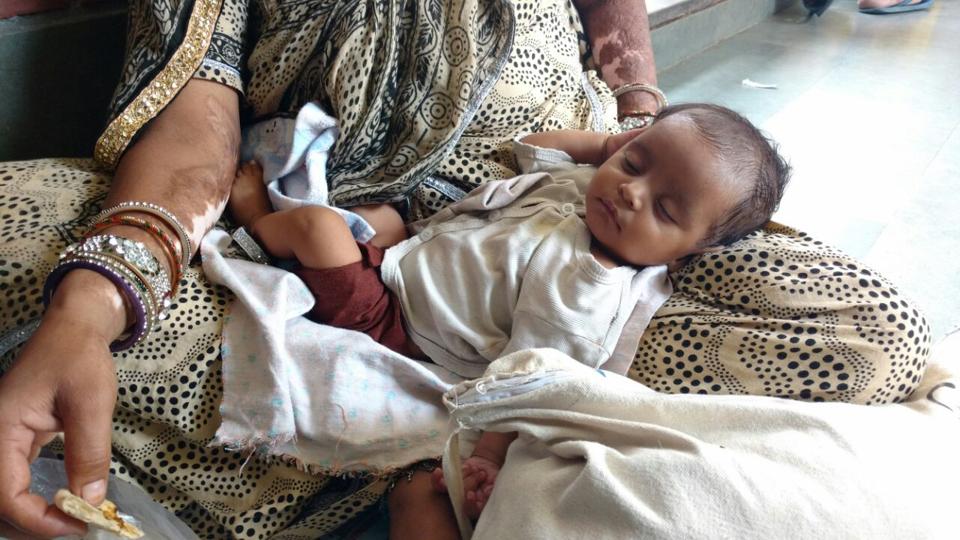
In at least 10 states, between 50% and 80% home deliveries are not attended to by skilled birth attendants, which puts the mother and baby’s health at risk. Against the target of infant mortality rate of 27 per 1,000 live births by 2015, India still lags way behind at 39.
Hospital deliveries in rural India may have gone up to 75%, but unskilled women continue to deliver thousands of babies in some states, which risks the health and life of both the baby and the mother.
In at least 10 states, between 50% and 80% home deliveries are not attended to by skilled birth attendants, said the Comptroller and Auditor General (CAG) report tabled last fortnight.
In India, 26 million babies are born each year, making it world’s largest birth cohort and the highest newborn and infant deaths.
The National Family Health Survey-4 data shows only 2.4% of the babies born at home were taken to a health facility for check-up within 24 hours of birth.
Of the 514 primary health centres surveyed under the CAG facility survey, 161 did not have the facilities for delivery. Other reasons why people kept away were distance of the health facilities from villages, poor public transport, unhygienic condition of the health centres, among others.
“All these deficiencies translate into higher infant mortality rate, maternal mortality rate and total fertility rate. The data services provided at various facilities was poorly maintained. Deficiencies were also noticed in the implementation of Janani Suraksha Yojna. All point to lack of internal controls at all levels,” reads the report.
Against the target of infant mortality rate (IMR) of 27 per 1,000 live births by 2015, India still lags way behind at 39. IMR is higher than 40 in the six states of Assam, Bihar, Chhattisgarh, Madhya Pradesh, Odisha and Uttar Pradesh.
CAG also found deficits in the implementation of Rashtriya Bal Swasthya Karyakram (RBSK), one of India’s flagship programmes launched in 2013 with the aim of screening more than 27 crore children from birth to 18 years for birth defects, diseases, deficiencies, and development delays, including disability.
As part of the programme, district early intervention centres (DEIC) were to be set up at district hospitals for early referral. The CAG reports reveals that out of 393 DEICs approved in 675 districts, 92 were had been set up till 2016.
“In 325 districts in 10 non-NE high focus states, only 18 DEICs (6%) were approved and were in position. Six states— Bihar, Chhattisgarh, Himachal Pradesh, Jharkhand, Rajasthan and Uttar Pradesh, did not have DEICs,” said the report.
“Health is a state subject and states need to pull up their socks. The Centre is there to provide any kind of assistance they require but eventually the states will have to ensure the infrastructure is in place,” said a senior official from Union health ministry.

Catch your daily dose of Fashion, Taylor Swift, Health, Festivals, Travel, Relationship, Recipe and all the other Latest Lifestyle News on Hindustan Times Website and APPs.


