
 E-Paper



Delhi–Mumbai expressway: When clean air turns into a mirage
This article is authored by Vardaan Singh Chaudhry, Founder, Corridor Assets.

 Prefer HTon Google


The completion of the Delhi–Mumbai Expressway has triggered a modern-day land rush. From South Delhi to Gurugram, convoys of luxury SUVs now head toward Alwar every weekend in search of “farm plots” and “weekend estates.” For city dwellers suffocating in toxic air, the promise of clean skies and open horizons feels irresistible. But beneath the drone shots and glossy brochures lies a harsher reality — much of this so-called “farmhouse boom” is unfolding in the most backward, inaccessible belts of southern Haryana and Mewat, far from the actual expressway corridor.
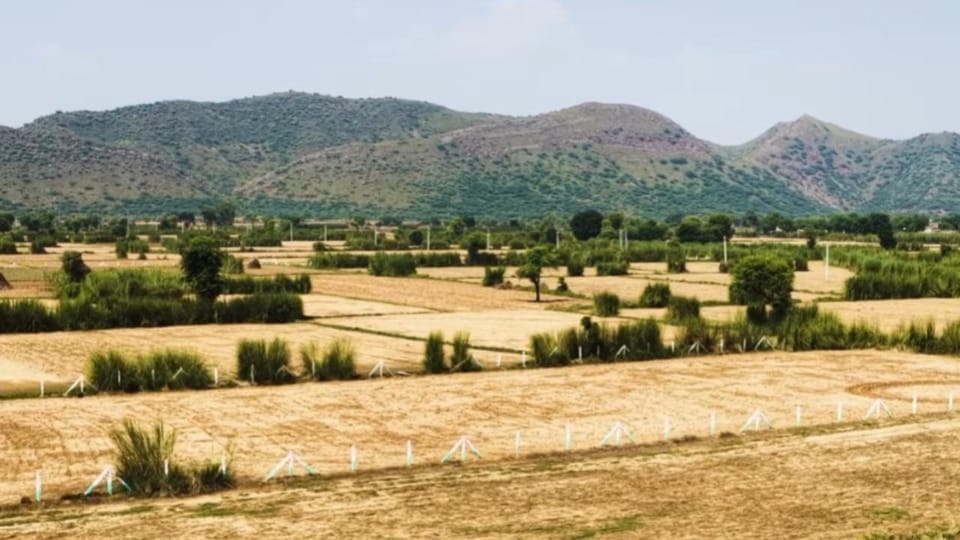
Developers are selling dreams along dusty rural roads — agricultural parcels rebranded as lifestyle “farm zones.” Investors are shown hill views and rain-washed meadows but rarely told that the land lacks any conversion under Section 90A of the Rajasthan Land Revenue Act, no layout approved by the Senior Town Planner, and no inclusion within an urban local body. The pitches are as creative as they are misleading: promises of “future conversion,” talk of “government approvals in process,” and glossy renderings that disguise the absence of any civic grid or infrastructure.
In reality, these projects sit amid fragile ecosystems — the very Aravalli foothills that act as natural lungs for the NCR. Concrete walls rise where native trees once stood. Borewells sink deeper into already depleted aquifers. Instead of restoring nature, unregulated sprawl is disfiguring it. What began as an escape from pollution is fast becoming an ecological and legal contradiction.
Today’s real-estate bull run has lifted all boats — legal and illegal alike. But when the dust settles, many of these inaccessible, non-convertible fragments will become the dead stock of tomorrow. With no RERA registration, no approach roads, and no township-grade infrastructure, they are the Bitcoin of land — all promise, no foundation. Investors chasing the illusion of “expressway proximity” often discover that their plots are hours from the nearest highway and unapprovable under state planning norms.
The emotional pull of owning land off the expressway is powerful. The thought of a farmhouse where one can breathe clean air and reconnect with nature makes people overlook due diligence. Titles go unchecked; conversion documents are “promised” rather than presented. Many assume that anything near Alwar will eventually gain legality — a costly misconception. When the speculative tide recedes, these unbankable, illiquid parcels could leave investors stranded with paper plots that cannot be registered, financed, or even accessed safely.
Amid this chaos, a few projects are proving that development and compliance can coexist. The Rajasthan Township Policy 2024 now mandates clear norms for conversion, infrastructure provisioning, and master-plan integration — standards that separate statutory urban estates from speculative rural fragments.
Fully converted under Section 90A, layout approved by the STP Rajasthan, RERA filing in process, and strategically located just 100 metres from NH-248A and about 2 kilometres from the under-construction Paniyala Expressway exit — a visible link that will soon redefine access to Rajasthan’s first Delhi–Mumbai Expressway node near Ramgarh.
As the Paniyala exit nears completion, accessibility and transparency are becoming the new currency of trust. The next phase of growth won’t reward speculation — it will reward compliance. Legal, bank-financeable holdings integrated with urban plans will command a clear premium, while inaccessible, unconverted land will fade into obscurity.
The Delhi–Mumbai Expressway is a transformative national artery, but whether it becomes a corridor of progress or a corridor of regret depends on choices made now. For investors and developers alike, the message is clear: clean air must not come at the cost of clean law. When legality and ecology move together, the promise of fresh air — and sound investment — can finally become real.
This article is authored by Vardaan Singh Chaudhry, Founder, Corridor Assets.


