After an intense summer, the arrival of the monsoon offers welcome relief from the heat. Unfortunately, it also marks the beginning of a season when infectious diseases become more common. Across workplaces, organisations often experience a rise in employee absenteeism due to viral illnesses, digestive infections, seasonal flu, and mosquito-borne diseases such as dengue and chikungunya.
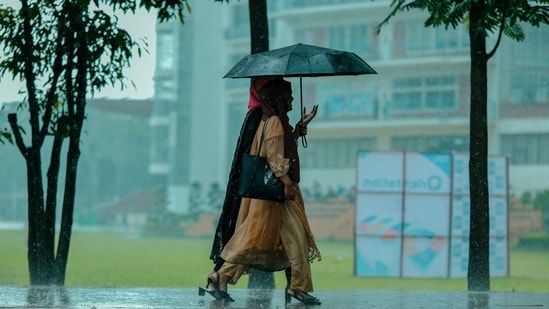
India continues to face a significant dengue burden, and studies suggest that the actual number of infections is much greater than what official data captures. Rather than depending on products that promise instant immunity, this is the time to reinforce healthy habits that strengthen the body's natural defence system.
Good nutrition is one of the most effective ways to support immunity. The immune system performs best when it receives adequate protein along with essential vitamins and minerals. Daily meals should include a variety of vegetables, fruits, pulses, whole grains, dairy products, and nuts. While supplements may seem appealing, they cannot replace the benefits of a balanced diet.
Many people also reduce their water intake during the rainy season because they feel less thirsty. However, proper hydration remains essential for maintaining the body's natural protective barriers against infection. Drinking enough water throughout the day is a simple habit that offers long-term health benefits.
Sleep is equally important. Consistently getting seven to nine hours of quality sleep allows the immune system to function effectively. On the other hand, prolonged sleep deprivation can reduce the body's ability to respond to infections. Employees managing demanding schedules should treat sufficient sleep as an investment in their health.
{{/usCountry}}Sleep is equally important. Consistently getting seven to nine hours of quality sleep allows the immune system to function effectively. On the other hand, prolonged sleep deprivation can reduce the body's ability to respond to infections. Employees managing demanding schedules should treat sufficient sleep as an investment in their health.
{{/usCountry}}The monsoon also brings an increased risk of illnesses spread through contaminated food and water. Eating freshly prepared meals, avoiding exposed food, drinking clean filtered water, and practising regular hand hygiene can greatly reduce the chances of gastrointestinal infections and typhoid.
Respiratory infections spread more easily during this period, particularly in shared indoor workspaces. Employees experiencing symptoms such as fever or cough should avoid exposing colleagues by working remotely whenever feasible and following appropriate hygiene measures. Staying current with recommended vaccinations, including the annual flu vaccine, offers valuable protection, particularly for vulnerable groups.
Heavy rainfall often creates stagnant water, providing mosquitoes with ideal breeding sites. Preventing water accumulation around workplaces and homes, using mosquito repellents, and wearing clothing that limits skin exposure can significantly reduce the likelihood of dengue and malaria.
An often-overlooked factor is stress. Chronic stress affects the body's immune response over time, increasing susceptibility to illness. Incorporating regular movement, physical activity, mindfulness practices, and opportunities for social interaction at work can improve both mental wellbeing and immune health.
Preparing for the monsoon does not require complicated solutions. Consistent attention to everyday health habits benefits employees, supports workplace productivity, and helps organisations build a healthier and more resilient workforce.
(The views expressed are personal)
This article is authored by Dr Vikram Vora, medical director, International SOS.