
 E-Paper



Cash flow challenge for India’s MSMEs
This article is authored by Mukesh Pandey, founder, Rupyaapaisa.com.

 Prefer HTon Google


“Turnover is vanity, profit is reality, but cash flow is clarity.” This adage captures the central financial dilemma facing India’s micro, small, and medium enterprises (MSMEs) today. Across the country, enterprises boast of rising sales and impressive profits, yet many struggle to meet basic obligations such as paying suppliers, staff salaries, and rent. The stark reality is that headline figures, however eye-catching, mean little if there is no liquidity to sustain daily operations. While turnover may impress outsiders and profits may look healthy on reports, survival is determined by cash in hand.
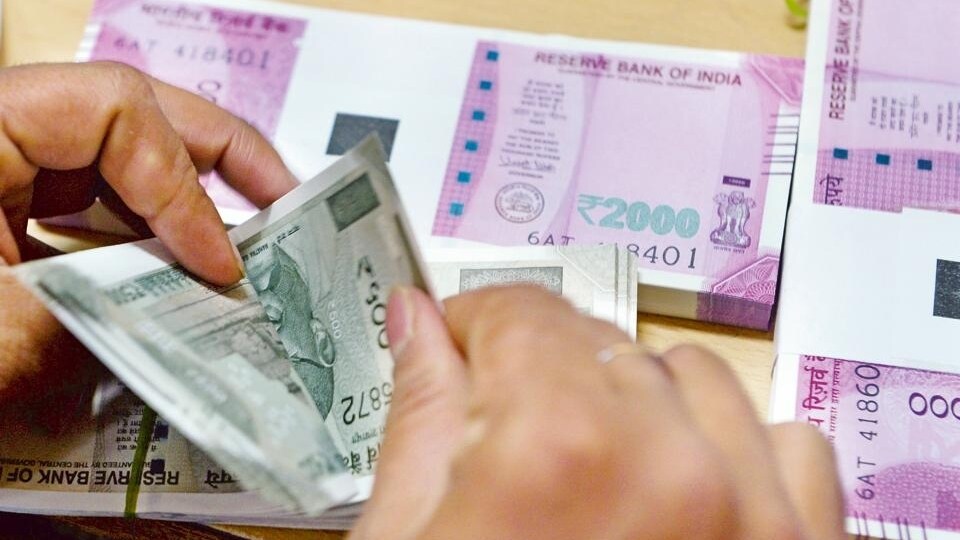
The illusion of growth is pervasive. An MSME may report ₹50 lakh in monthly sales and ₹7.5 lakh in profit, yet if ₹20 lakh remains tied up in unpaid customer dues and another ₹15 lakh in stock, the business is effectively cash-strapped. Outstanding supplier payments add further pressure, creating a financial bottleneck that prevents scaling and expansion. This imbalance is why so many MSMEs appear busy, report growth, and yet fail to progress beyond a certain stage. They chase turnover without controlling the variable that truly matters: liquidity.
The consequences are immediate and relentless. Without cash clarity, MSME owners are forced into a daily cycle of firefighting. Time that could be spent planning strategic growth is instead consumed by chasing late payments, managing disgruntled suppliers, meeting payroll, and dealing with surplus inventory. The business continues to operate, but forward planning and investment in innovation are relegated to the background. Over time, this reactive mode of management becomes the norm, leaving enterprises stuck in a repetitive loop that stifles growth.
Addressing this challenge begins with brutal honesty. Enterprises must set aside turnover and profits temporarily and focus on the actual movement of money. How much cash genuinely enters the account each month? How much is committed to immediate outflows? How long could the business survive if customers delayed payments for three months? This understanding of liquidity—the capacity to meet obligations at any given moment—is the foundation upon which sustainable growth is built. Without it, expansion plans are essentially a gamble.
Borrowing can provide a lifeline, but only when undertaken strategically. Loans taken merely to cover overdue bills or offset operational losses exacerbate pressure rather than alleviate it. Conversely, borrowing to seize genuine growth opportunities can transform an enterprise’s trajectory. MSMEs should evaluate three key factors before taking on debt: timing, purpose, and amount. Loans should be secured only when there is a clear opportunity, the rationale must be specific and measurable, and funds should be limited to what is genuinely needed rather than the maximum sanctioned.
The WHERE framework offers a disciplined approach to borrowing: define why the funds are needed, outline exactly how they will be used, execute the plan with precision, track the return on investment, and establish a clear exit strategy for repayment. This methodology ensures that loans function as growth enablers rather than liabilities, allowing enterprises to leverage credit as a tool for expansion rather than as a band-aid for financial mismanagement.
Banks, contrary to popular belief, are keen to lend to MSMEs that demonstrate consistent cash flow, maintain accurate records, and present clear repayment strategies. Enterprises that meet these criteria benefit from faster approvals, better terms, and a stronger relationship with financial institutions. The difference between MSMEs that scale successfully and those that struggle rarely lies in turnover or reported profits. It lies in disciplined cash management, prudent borrowing, and proactive financial planning.
Ultimately, turnover may create an illusion of success and profit may appear healthy on paper, but it is cash flow that determines survival. MSME owners who manage liquidity effectively cultivate resilience, confidence, and sustainable growth. Those who chase sales without clarity remain one delayed payment away from crisis. Celebrating high turnover is tempting, yet without cash flow as a foundation, such success is fragile. True business longevity is measured not by reported figures but by the ability to meet obligations, invest in opportunities, and navigate financial challenges with foresight and discipline.
In a competitive market where margins are tight and operational risks abound, cash flow clarity is the difference between thriving and merely surviving. MSMEs that internalise this truth, adopt strategic borrowing, and implement disciplined financial practises are best positioned to transform profit on paper into enduring success in reality. The message is simple but vital: Turnover might make a business look successful, but it is cash flow that will ultimately decide whether it truly is.
This article is authored by Mukesh Pandey, founder, Rupyaapaisa.com.


