
 E-Paper



Child passenger safety must move up road safety agenda
This article is authored by Dr Babita Gupta.

 Prefer HTon Google


This monsoon sessions in Parliament, road safety deserves to be high on the national agenda. India has made important legislative progress through the Motor Vehicles (Amendment) Act, 2019, yet one critical issue continues to receive far less attention than it deserves: The safety of children travelling in vehicles.
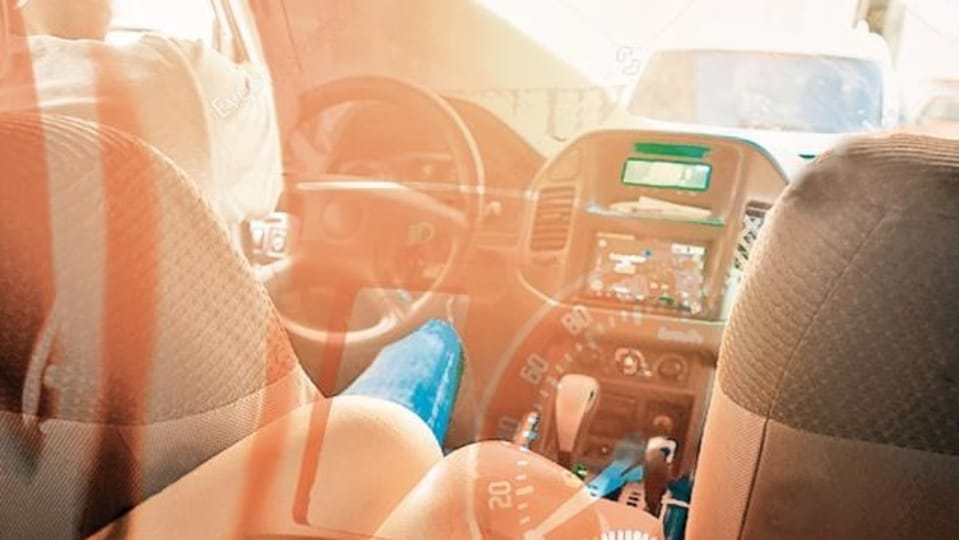
Every year, road crashes claim thousands of young lives that could have been saved through simple, evidence-based interventions. If India is serious about reducing road fatalities, protecting child passengers must become a public health priority, not merely a transport issue.
According to the ministry of road transport and highways (MoRTH), nearly 10,000 children lost their lives in road crashes in 2024. Thousands more suffered traumatic brain injuries, spinal trauma, fractures and lifelong disabilities. Behind every statistic is a child whose future has been altered forever and a family left to cope with emotional, financial and medical consequences that often last for years.
Road crashes involving children impose a significant burden on the healthcare system as well. Survivors frequently require emergency surgery, intensive care, prolonged hospitalisation, rehabilitation and long-term follow-up. Many experience lasting physical disabilities, cognitive challenges and psychological trauma. Preventing these injuries is, therefore, as important as treating them.
One of the most overlooked aspects of child road safety is that children are not simply smaller adults. Their bodies respond differently to crash forces because their bones, muscles and internal organs are still developing. Yet many children continue to travel either unrestrained or protected only by adult seat belts that are not designed for their anatomy.
A child being restrained is not necessarily the same as being protected. Adult seat belts are engineered for fully grown occupants. When worn by a young child, the belt often rests across the abdomen instead of the pelvis or against the neck instead of the chest, increasing the risk of severe internal, head and neck injuries during a crash. Age-appropriate Child Restraint Systems (CRS) are specifically designed to address these risks by distributing crash forces safely across stronger parts of a child's body.
The evidence is unequivocal. According to the World Health Organization, child restraint systems reduce fatalities among infants by up to 71% and among young children by up to 54%. Few public health interventions offer such significant protection through such a straightforward measure.
The Motor Vehicles (Amendment) Act, 2019 marked an important step towards safer roads through provisions such as Section 194B, which seeks to improve passenger safety. However, greater emphasis is now needed on ensuring that children travel in age-appropriate CRS rather than relying solely on adult seat belts. Stronger implementation, clearer legal guidance and sustained enforcement can help translate the intent of the law into safer journeys for India's youngest passengers.
Effective implementation will require consistent enforcement of existing provisions, wider availability and affordability of certified CRS, and closer integration of child passenger safety into healthcare systems through antenatal care, paediatric practice and trauma prevention initiatives.
As policymakers deliberate on future road safety reforms, including the proposed Motor Vehicles (Amendment) Bill, 2025, the priority should be to build on the existing framework and ensure that child passenger safety provisions are effectively implemented across the country.
India has demonstrated that sustained legislation and enforcement can transform behaviour. Helmet use and adult seat belt compliance have improved significantly over the past decade because policy was backed by consistent implementation. Child passenger safety deserves the same national commitment.
Every preventable child death on our roads represents a collective failure, not only of transport systems but also of public health policy. Protecting children during every journey is one of the simplest and most effective investments India can make in safeguarding the health and future of its next generation.
This monsoon session presents an opportunity to reaffirm India's commitment to safer roads by ensuring that child passenger safety is no longer treated as an afterthought. Stronger implementation of existing laws, greater adoption of age-appropriate CRS and sustained policy attention can save thousands of young lives. Protecting children on our roads is not simply a transport objective. It is a public health imperative and an investment in the nation's future.
(The views expressed are personal)
This article is authored by Dr Babita Gupta, additional medical superintendent & head, Division of Trauma Anaesthesia and Critical Care, Jai Prakash Narayan Apex Trauma Centre, AIIMS, New Delhi.


