
 E-Paper



Poshan Abhiyaan: Fuelling the future of a Viksit Bharat
This article is authored by Chirashree Ghosh, national coordinator, FORCES.

 Prefer HTon Google


Child malnutrition remains one of the most persistent challenges confronting India’s development ambitions. Under the government’s flagship Poshan Abhiyaan, efforts are being intensified across the country to promote maternal health, nutritional awareness, and child development. These efforts include nutrition camps, community meetings, cooking demonstrations, and crucially, free health check-ups and growth monitoring for children.
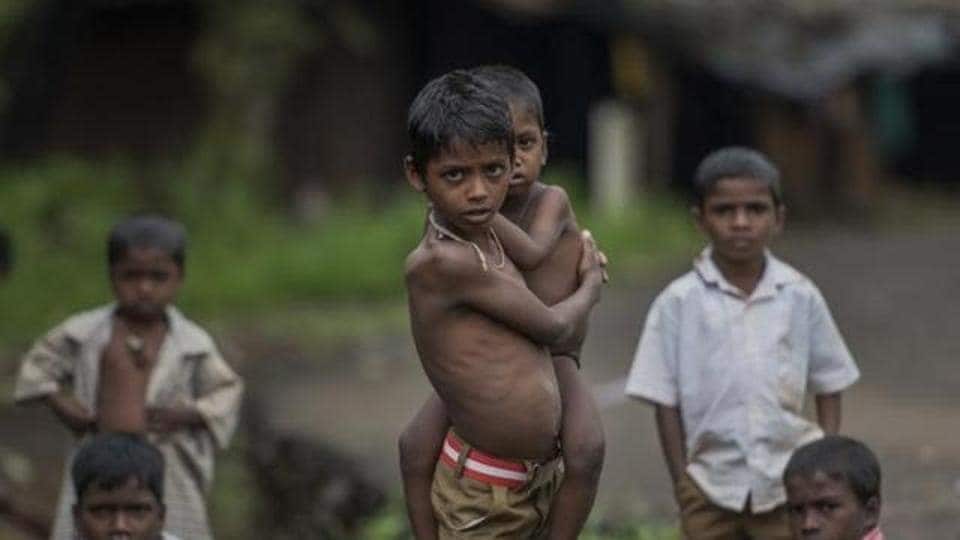
On paper, India’s nutritional safety net is robust. The Integrated Child Development Services (ICDS) scheme operates through Anganwadi centres across urban and rural India, offering supplementary nutrition, immunisation support, and pre-school education. But in practice, many working families—especially those in the informal sector—are left out. With both parents at work, some children are brought to unsafe worksites or, more worryingly, left at home without adult care. In such cases, accessing ICDS services becomes near impossible.
This gap underscores the importance of Poshan Abhiyaan, not just as a top-down programme, but as a community-driven mission. The campaign stresses the value of nutritional diversity using locally available foods, encouraging mothers and caregivers to make informed dietary choices based on traditional wisdom and seasonal availability. During Poshan Maah, frontline workers demonstrate how these simple changes can keep children out of the vicious cycle of undernutrition.
To support working mothers further, the government has rolled out PALNA—a complementary initiative to ICDS. These centres provide much more than daycare: they offer hot, locally appropriate meals, clean and secure learning environments, regular health screening, and emotional and social stimulation vital for a child’s cognitive development. PALNA is especially significant for urban working families and migrant workers, who often find themselves outside the formal childcare net.
But the challenge is far from over. According to NFHS-5 (2019–21), over 35% of Indian children under five were stunted, and 32% were underweight. These are not mere statistics—they reflect lost potential, poor learning outcomes, and a weakened future workforce. As India charts its path towards becoming a Viksit Bharat (Developed India) by 2047, addressing early childhood malnutrition must remain non-negotiable.
Launched in 2018, Poshan Abhiyaan is India’s most ambitious convergence strategy to reduce stunting, wasting, anemia, and low birth weight. It bridges ministries—health, women and child development, education, and rural development—bringing an integrated approach to nutrition. It also leverages digital platforms to collect real-time growth data and track service delivery across districts.
Yet, the real success of Poshan Abhiyaan lies in local ownership. Decentralised mechanisms—panchayats, urban local bodies, SHGs, and school management committees—must be empowered to drive nutrition literacy and service delivery. Nutrition must not remain the sole concern of health workers; it must become a household priority, a school concern, and a community commitment.
India’s development narrative cannot be defined solely by GDP growth or industrial expansion. It must also be measured by the health of our children, the strength of our mothers, and the capacity of our public systems to reach the last mile. In this, Poshan Abhiyaan offers not just a policy framework, but a moral direction: that no child should suffer the consequences of preventable malnutrition.
As we move toward 2047, when India completes a hundred years of independence, the journey to Viksit Bharat must begin in our kitchens, anganwadis, and crèches. It begins with a warm meal, a weighing scale, and a mother who knows her child is not alone. Nutrition is not a welfare handout—it is an investment in national progress. Poshan Abhiyaan is the blueprint to make that investment count.
This article is authored by Chirashree Ghosh, national coordinator, FORCES.


