Uttar Pradesh is on the cusp of a transformative moment in its urban journey. As its cities expand and new economic centres take shape, the state has unveiled a bold and forward-thinking plan to reshape how its towns and cities grow. The newly notified Building Construction and Development By-laws, 2025, mark more than just a regulatory change—they symbolise a larger shift in mindset. With over 1,000 public suggestions integrated into the final version, this isn’t simply about construction norms; it
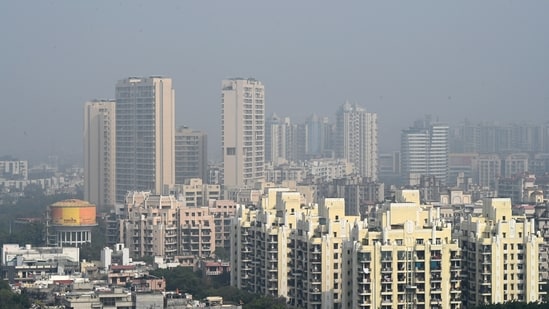
Uttar Pradesh is on the cusp of a transformative moment in its urban journey. As its cities expand and new economic centres take shape, the state has unveiled a bold and forward-thinking plan to reshape how its towns and cities grow. The newly notified Building Construction and Development By-laws, 2025, mark more than just a regulatory change—they symbolise a larger shift in mindset. With over 1,000 public suggestions integrated into the final version, this isn’t simply about construction norms; it is about rebuilding the relationship between citizens, the state, and the city itself.
For decades, small landowners, shopkeepers, and first-generation developers—especially in smaller towns—have struggled with outdated rules, red tape, and informal practises. Even a modest home extension could mean months of navigating confusing regulations and unnecessary approvals. The new by-laws aim to turn that page. For the first time, people building on small plots—up to 1,000 square feet for homes and 300 square feet for shops—won’t need prior approvals. All they need is an online self-declaration. Slightly larger projects can proceed with plans certified by registered architects. This is a big step in placing trust back into the hands of ordinary citizens and professionals. It simplifies the process, reduces time and costs, and sends a powerful message: That government should facilitate, not obstruct.
This change is not just about ease—it is also about dignity. By reducing the state’s interference in routine matters, the new rules empower small builders and individuals who were previously sidelined by an inefficient system. In towns like Barabanki, Jhansi, or Shahjahanpur, where informal construction has been the norm due to procedural hurdles, the new rules open doors for formal development. This could not only improve the quality of urban spaces but also generate legal jobs and business opportunities that contribute to the formal economy.
Another major highlight is how the new by-laws encourage building upward, not just outward. Floor Area Ratio (FAR), a rule that dictates how much can be built on a plot of land, has been made more flexible. Developers along wider roads can now build more, especially in group housing projects. In some areas, there’s no cap at all. This means cities can now grow vertically, reducing pressure on land and creating more housing stock—something that’s urgently needed as urban populations rise.
Cities aren’t just about buildings—they are about people, their lives, and how they work and interact. Recognising this, the by-laws promote mixed-use development. That means residential buildings can now legally include small businesses—like shops, offices, tailors or mechanics—especially on wider roads and traditional market streets. This brings thousands of informal businesses into the legal fold, offering stability to livelihoods that have existed for decades but without formal recognition. By doing so, the government is not just planning with concrete and maps—it is planning with empathy.
Environmental concerns have also found space in this vision. Group housing projects must now include electric vehicle charging points in at least 20% of their parking spaces, and there are incentives for adopting green building practises. Minimum plot sizes for apartment construction have been halved, making it easier for smaller developers to participate and potentially boosting affordable housing. These steps ensure that the march towards modernity doesn’t trample over sustainability or inclusiveness.
Importantly, the new rules don’t ignore the past. Many buildings in UP were constructed under old, ambiguous, or even illegal norms. Rather than punishing homeowners or ordering demolitions, the by-laws offer a pathway to regularise such structures—provided they meet the new criteria. This helps countless families who have been stuck in legal uncertainty and unlocks value in properties that were otherwise frozen in limbo.
These by-laws are not just a manual for building—they are a blueprint for better cities. They align with national urban missions, such as the Urban Challenge Fund and Transit-Oriented Development corridors, placing Uttar Pradesh at the centre of India’s urban innovation. The underlying principle is trust: That citizens, when given clarity and agency, will build responsibly and contribute to well-planned cities.
As bulldozers retreat from headlines and cranes rise above Lucknow, Kanpur, and Prayagraj, this could be the decade where UP redefines what its cities stand for. Not as symbols of overcrowding and informality, but as engines of growth, inclusiveness, and opportunity. If implemented with care and adaptability, these by-laws could serve as a model for the rest of India—proof that urban reform, when rooted in trust and guided by people’s real needs, can change not just skylines, but lives.
This article is authored by Amritanshu Roy, chief operating officer, Greenfield Advisory and director, 1-OAK.
One Subscription.
Get 360° coverage—from daily headlines
to 100 year archives.
Archives
HT App & Website