
 E-Paper



Boomerang effect: Bangladesh's call for Indian product boycott
This article is authored by Ayanangsha Maitra, foreign affairs scholar and journalist.

 Prefer HTon Google


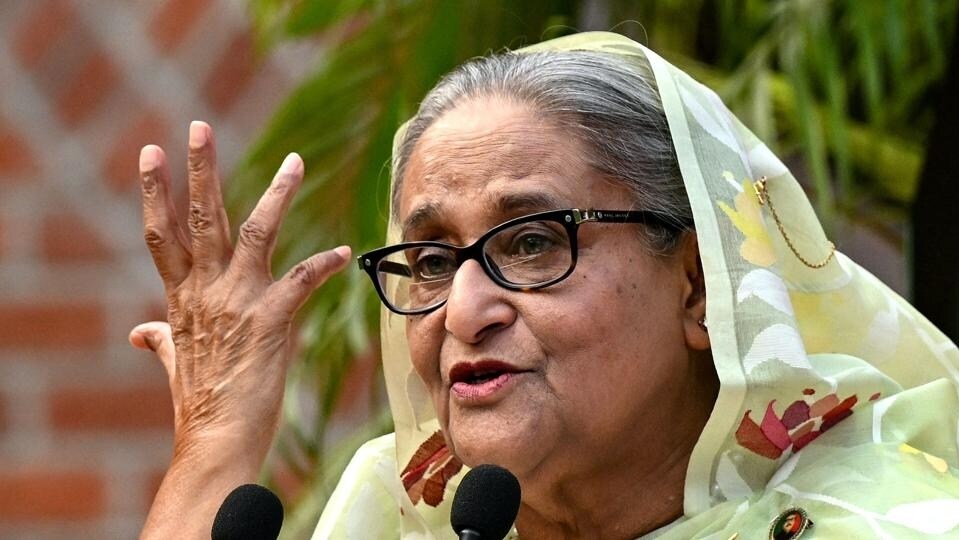
After the Tangail saree row, the call for a boycott of Indian goods in Bangladesh by a special interest group is gaining momentum, but it has very little influence in reducing consumption or the export flow from India. Bangladesh Nationalist Party’s (BNP) Ruhul Kabir Rizvi threw his Kashmiri shawl as a protest against Indian goods, although it did not reflect his party's stance. Days later, Bangladesh Prime Minister Sheikh Hasina, on March 27, 2024 publicly questioned why Kabir doesn't burn his wife's Indian sarees. The call for the boycott of Indian products has become a social media phenomenon, yet it remains surprising that it continues to trend in the nation of 18 crore people months after the elections. The purpose of such an agenda is clear: the leaders of BNP are not in favour of the warm government-to-government relations. Ultimately, this will negatively impact wage-earning Bangladeshis, not the elite chateaux.
Despite being a major player in knitting and weaving, Bangladesh often relies on Indian garments, which sometimes come at a cheaper price than their own products. India supplies approximately 80% of raw materials and cotton yarn for the garment industry. Onions are a crucial commodity for Bangladesh, with India being a primary source. While alternatives like Turkish onions don't match their taste, Pakistani onions aren't a feasible option. Just before Eid, Indian onions were available at a reasonable price of BDT 40 per kg. Last year, during the Know BJP programme, an Awami League delegation visiting the Bharatiya Janata Party (BJP) headquarters appealed for an exemption for Bangladesh from India's onion export ban, which was eventually lifted. Other than the cooking staple and cotton yarn, India exports quality goods such as biscuits, toothpaste, baby food, soap, cosmetics, oil, mineral items, medicines, soya oil, chocolate, sugar, milk, dairy products, cars, and tyres to Bangladesh.
The congested traffic in the country's only premier city Dhaka not only makes the lives of commuters miserable but also leaves even the most enthusiastic travellers dissatisfied at times. As this writer approached Dhaka's iconic Sonar Gaon hotel about a year ago, Nurul, a hotel driver at his 50s, shared insights into why neighbours like India should always remain essential trading and cultural partners. He spoke of how globalisation has impacted his village and emphasised the significance of the steady supply of Indian onions in maintaining healthy relations between the two nations. How Indian health care cured his villagers and fellow Bangladeshis. Around the same time, while en route to the Tejgaon industrial area, this writer met Saiful Alam, a 27-year-old driver from Patuakhali. He described the harsh realities of the skyrocketing cost of living, as well as the significant price hikes in essentials like onions, fish, meat, and oil, which were deeply affecting families like his own.
Despite over 97 items being exported from India, Bangladeshi businesses find the tariff unsatisfactory, leading to a trade deficit and significant trade gap in the bilateral trade of $16 billion.
Amid calls for boycott, the number of trucks ferrying between Benapole-Petrapole, the busiest land export-import point, has increased from 350 to over 400, indicating no impact on imports from India. Indian products are favoured and consumed for their value for money and quality, rather than simply due to their origin or India's assistance during the 1971 war. If Indian products were unavailable, it will be the daily wage earners like Saiful and common Bangladeshis who would suffer. While advocating for self-reliance is justified, it's equally important to avoid fostering animosity towards a good and responsible neighbour.
This article is authored by Ayanangsha Maitra, foreign affairs scholar and journalist.


