The outbreak of direct US-Israeli military action against Iran on February 28, 2026, under the banner of Operation Epic Fury, has thrust two of the most influential non-western platforms, BRICS and the Shanghai Cooperation Organisation (SCO), into an uncomfortable and revealing spotlight. Iran, having joined BRICS in 2024 and the SCO earlier, expected meaningful backing from these groupings as American and Israeli forces targeted its leadership, nuclear sites, and military infrastructure. However, as the conflict stretches into April 2026, the divergent responses from these organisations have exposed deep-seated institutional limitations and the clashing priorities of their member States. This crisis has become a definitive litmus test for multipolar ambitions, proving that rhetoric regarding a new world order often stumbles when confronted by the raw realities of great-power conflict.
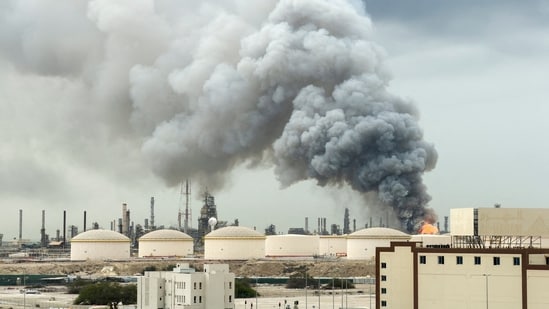
Despite repeated urgings from Tehran, BRICS has remained silent as a collective entity. This institutional paralysis stands in stark contrast to earlier, more unified BRICS statements from 2025 that had condemned previous Israeli strikes as violations of international law. The current silence underscores a fundamental truth: BRICS was never designed as a security or military alliance. It remains an economic forum focused on trade, finance, and the reform of western-dominated institutions like the IMF.
The lack of a unified BRICS response is further complicated by the 2024 expansion, which incorporated States with vastly different regional alignments. While the expansion was intended to increase the group's global weight, it has instead made consensus nearly impossible. Many new members maintain close economic or security links to the West. When a member like Iran faces direct attack, these internal differences surface sharply. Economic pragmatism and bilateral ties frequently trump ideological solidarity, leaving the organisation unable to project strength in the face of acute military crises.
Individual member reactions within BRICS have filled the void but also exposed deep fractures. Russia and China have been the most vocal, with Moscow labelling the strikes a premeditated act of armed aggression and Beijing strongly condemning the reported killing of Iran’s Supreme Leader as a grave violation of sovereignty. Brazil and South Africa have expressed grave concern over the humanitarian toll and the threat to international peace.
{{/usCountry}}Individual member reactions within BRICS have filled the void but also exposed deep fractures. Russia and China have been the most vocal, with Moscow labelling the strikes a premeditated act of armed aggression and Beijing strongly condemning the reported killing of Iran’s Supreme Leader as a grave violation of sovereignty. Brazil and South Africa have expressed grave concern over the humanitarian toll and the threat to international peace.
{{/usCountry}}In contrast, the Shanghai Cooperation Organisation (SCO) has projected a somewhat more cohesive and supportive stance. On March 2, 2026, the SCO issued an official statement expressing grave concern over the military developments and declaring the use of force unacceptable. This language aligns with the SCO’s foundational principles, established primarily by China and Russia to promote regional stability, combat external interference, and safeguard the sovereignty of its members. Many SCO States share tangible stakes in Iran’s stability, including energy transit corridors and Belt and Road Initiative projects. For these nations, upholding the principle of non-interference is a bulwark for their own security.
However, the SCO’s relatively firmer response does not translate into operational involvement. Like BRICS, it has stopped at political declarations. It lacks the mechanisms for material aid, joint diplomatic mediation, or military support. The grouping’s security-oriented DNA agenda makes it more inclined to issue statements of solidarity than the economically driven BRICS, yet it remains a consultative body rather than a collective defence alliance. Both ultimately consist of sovereign States whose leaders prioritise domestic stability and bilateral relationships over group loyalty.
This war illuminates larger patterns in contemporary international relations. BRICS functions best as a broad tent for dialogue on development and de-dollarisation, but its diversity and lack of enforcement tools limit its utility in active conflicts. The SCO, while narrower in focus, still faces limits rooted in the same sovereignty-first ethos it champions. Members guard their autonomy, and none appears willing to risk direct entanglement in a conflict pitting Iran against the combined power of the US and Israel. China and Russia benefit from highlighting western aggression to bolster their own narratives, but practical constraints, including economic interdependence with the West, temper any impulse toward bolder action.
The global stakes of this conflict extend far beyond the borders of Iran. Global oil prices have surged, raising fears of inflation and a worldwide recession. Supply chain disruptions loom if shipping through the Strait of Hormuz is permanently impaired. For the Global South, the conflict is a signal of whether platforms like BRICS and the SCO can offer a genuine alternative to the existing order or if they are merely "talk shops" that falter under pressure.
In essence, the US-Israeli aggression against Iran has functioned as an unintended stress test for emerging multilateral architectures. BRICS has revealed a significant gap between its multipolar branding and the reality of its internal divisions, particularly regarding India’s strategic balancing act. The SCO has demonstrated marginally greater solidarity grounded in shared security norms, but both groupings illustrate the enduring primacy of national interests over collective rhetoric.
The performance of these organisations suggests that while the global order is undoubtedly shifting (or crumbled already), the institutions claiming to shape that shift remain works in progress. They are constrained by the very sovereignty and diversity they celebrate. For BRICS and the SCO to achieve true influence in a multipolar era, they will need to evolve beyond symbolic summits and develop the harder capability of bridging divides to translate shared principles into coordinated, effective action.
(The views expressed are personal)
This article is authored by Pravesh Kumar Gupta, associate fellow (Eurasia), Vivekananda International Foundation, New Delhi.