The relationship between the United States (US) and Russia has historically been a significant subject in international politics, often characterised by a complex interplay of competition and conflict. Over the years, this dynamic has been shaped by various factors, including differing ideologies, security concerns, and geopolitical interests. As both countries navigate this fraught relationship, the implications of their interactions continue to resonate globally, affecting alliances and shaping the international geopolitical landscape.
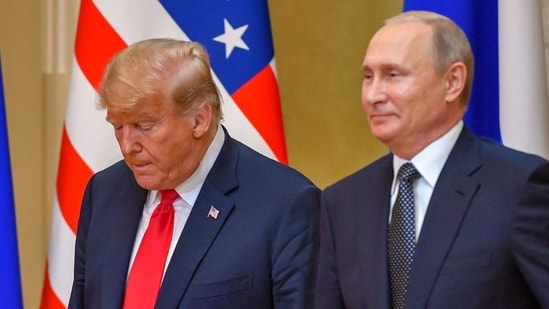
Under the Trump administration, these relations entered a unique
The relationship between the United States (US) and Russia has historically been a significant subject in international politics, often characterised by a complex interplay of competition and conflict. Over the years, this dynamic has been shaped by various factors, including differing ideologies, security concerns, and geopolitical interests. As both countries navigate this fraught relationship, the implications of their interactions continue to resonate globally, affecting alliances and shaping the international geopolitical landscape.
Under the Trump administration, these relations entered a unique phase, with controversies and shifting strategies that sparked widespread debate and concern. As discussions of Trump 2.0 emerge amid changing global landscapes, it becomes crucial to reconsider the implications of his previous policies and rhetoric and how they might reshape the intricate web of diplomacy, security, and economic ties between the US and Russia in the future. Analysing past interactions provides valuable insights into potential directions for this complex relationship moving forward.
Given the existing strains between the two nations, US-Russian relations under Trump 2.0 are likely to be tense. During his first term, Trump's administration imposed sanctions on Russia, and the US also withdrew from the Intermediate-Range Nuclear Forces Treaty, citing Russian non-compliance. With Trump's return to the White House, we can expect more of the same, if not escalated tensions. Expect the US to maintain or even increase sanctions on Russia. Also, despite hinting at halting aid to Ukraine and stopping this war, Trump may continue to prioritise military spending, which could lead to an increased US military presence in Eastern Europe and the Baltic region.
Donald Trump has constantly advocated achieving energy dominance for the US. This goal seeks to bolster the nation's energy independence and position it as a major player in the global energy arena. This ambition could pave the way for heightened competition with Russia, a significant player in the worldwide energy market, as both countries vie for influence and strategic leverage over energy resources and pricing.
The US administration under Trump is likely to strongly emphasise addressing and mitigating the growing alleged threats posed by Russian cyber activities and disinformation campaigns. This strategic focus could involve enhanced cybersecurity measures, intelligence-sharing, and public awareness initiatives to protect critical infrastructure and democratic processes. As the US ramps up these efforts, it may inadvertently escalate tensions in the digital sphere, leading to a more confrontational relationship with Russia in cyberspace. This scenario could result in a range of responses from Russia, including retaliatory actions or further attempts to undermine confidence in US institutions, thereby intensifying the ongoing cyber conflict between the two nations.
Donald Trump's transactional approach to politics significantly influences his views on global relations. He considers China a more significant threat to US hegemony than Russia, a perspective rooted in his business-oriented mindset. Trump perceives China as a significant economic competitor, exploiting trade agreements and intellectual property rights, directly affecting American businesses and interests. In contrast, he views Russia primarily as an ideological adversary, believing the US can negotiate and find common ground with it. This perspective is evident in his efforts to improve relations with Russia despite criticism from other lawmakers.
His America First policy significantly shapes President Trump's approach to China. This approach emphasises the importance of prioritising domestic economic development and job creation above all else. By adopting a hardline stance against China, Trump intends to shield American industries and workers from what he perceives as unfair trade practices and competition. However, this policy could also inadvertently strain US-Russia relations, as it may lead to increased competition and tension in areas where the two countries have overlapping interests. His administration's actions, such as imposing tariffs on Chinese goods, were designed to bolster American manufacturing and reduce reliance on foreign imports. Ultimately, this strategy reflects Trump's commitment to fostering a robust national economy by protecting American jobs and promoting growth within the US.
While this approach offers certain advantages, it also has notable drawbacks. Some experts express concern that Trump's strong focus on China could lead to a dangerous oversight of Russia's increasing influence in the Eurasian region. They emphasise that Russia's efforts to expand its geopolitical reach and challenge US supremacy should not be underestimated or ignored.
Furthermore, critics argue that Trump's transactional approach to foreign policy, which is often characterized by short-term gains and bilateral deals, may not be sufficient for tackling the intricacies of global geopolitical challenges. These complex issues typically require a more comprehensive and strategic framework that takes into account a multitude of factors, including historical contexts, alliances, and long-term implications. As a result, there is a growing sentiment that a more sophisticated approach is necessary to effectively navigate the evolving landscape of international relations.
This article is authored by Pravesh Kumar Gupta, associate fellow (Eurasia), Vivekananda International Foundation, New Delhi.
One Subscription.
Get 360° coverage—from daily headlines
to 100 year archives.
Archives
HT App & Website