Floods make headlines but the real medical story begins after the cameras leave. Long after streets have drained and families have returned to salvage, a second wave of illness quietly builds, one that unfolds over weeks. Understanding this timeline can mean the difference between a close call and a real crisis.
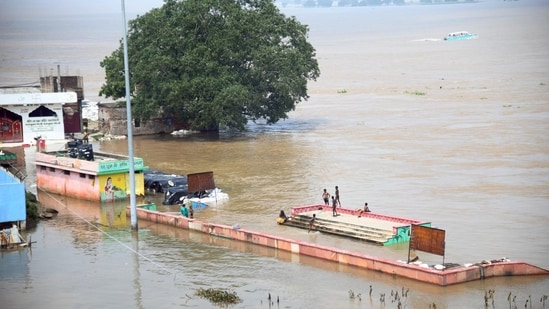
In the first few days, the greatest dangers are physical. Injuries from submerged debris, drowning in fast-moving water, and electrocution from downed power lines account for the earliest wave of emergency cases. Anyone wading through floodwater risks cuts and puncture wounds that seem minor but can turn serious quickly in contaminated conditions. Within the first week, waterborne illness becomes the dominant concern. Floodwater mixes freely with sewage and drinking or bathing in it spreads food and waterborne diseases like diarrheal diseases, cholera, typhoid, and hepatitis A. There is also an increased risk of leptospirosis especially during the first two weeks following exposure to flood water or contaminated soil. Incidence of skin infections and fungal rashes also develop rapidly among those who have spent hours in wet clothing or standing water. By the second week, the pattern shifts again. Stagnant pools left behind by receding floods become breeding grounds for mosquitoes, resulting in a rise in dengue and malaria cases. At the same time, damp buildings and crowded relief shelters create ideal conditions for respiratory infections to spread, particularly among children and the elderly. In the weeks that follow, a quieter but equally serious concern emerges. The psychological toll of displacement, loss, and uncertainty often shows up as anxiety, insomnia, and depression. These effects are easy to overlook amid the visible damage, but they can linger far longer than any physical illness.
Simple precautions go a long way in reducing this burden. Drinking only boiled or bottled water is essential, as is avoiding contact with floodwater whenever possible. Footwear should be worn outdoors even in shallow water. All wounds should be cleaned and promptly managed with a tetanus shot (TT) if not adequately protected by a previous tetanus vaccination. Mosquito nets and DEET containing repellents offer meaningful protection once stagnant water begins to collect.
{{/usCountry}}Simple precautions go a long way in reducing this burden. Drinking only boiled or bottled water is essential, as is avoiding contact with floodwater whenever possible. Footwear should be worn outdoors even in shallow water. All wounds should be cleaned and promptly managed with a tetanus shot (TT) if not adequately protected by a previous tetanus vaccination. Mosquito nets and DEET containing repellents offer meaningful protection once stagnant water begins to collect.
{{/usCountry}}Employers have a part to play in recovery too. Flexible leave for affected staff because rebuilding a home or caring for family takes real time. On-site medical camps or health check-ins can catch problems early, and access to counselling support addresses the mental health issues that often go unspoken. Also, contributions to relief funds provide practical help when it is needed most. None of these measures require elaborate planning. It only requires awareness and a sense of timing. Floods test communities in stages, and so must the response. By anticipating each phase, rather than reacting to it, both individuals and organizations can turn a devastating calamity into a manageable crisis and help those affected return to normalcy a little sooner.
(The views expressed are personal)
This article is authored by Dr Samir Dwivedi, medical director, assistance, International SOS.