
 E-Paper



Why shingles prevention belongs in self-care routine
This article is authored by Dr Randeep Guleria, chairman, Institute of Internal Medicine & Respiratory and Sleep Medicine, Medanta, Delhi.

 Prefer HTon Google


Self-care has become a buzzword, one that is used heavily across social media. However, when we think or talk about self-care what often comes up is having elaborate skin care routines, exercising, taking moments to de-stress, and doing more things we enjoy. Self-care has gained importance since the Covid-19 pandemic, as more people adopt healthier lifestyles to manage their own well-being. It is especially growing among older adults who rely on home-based care.
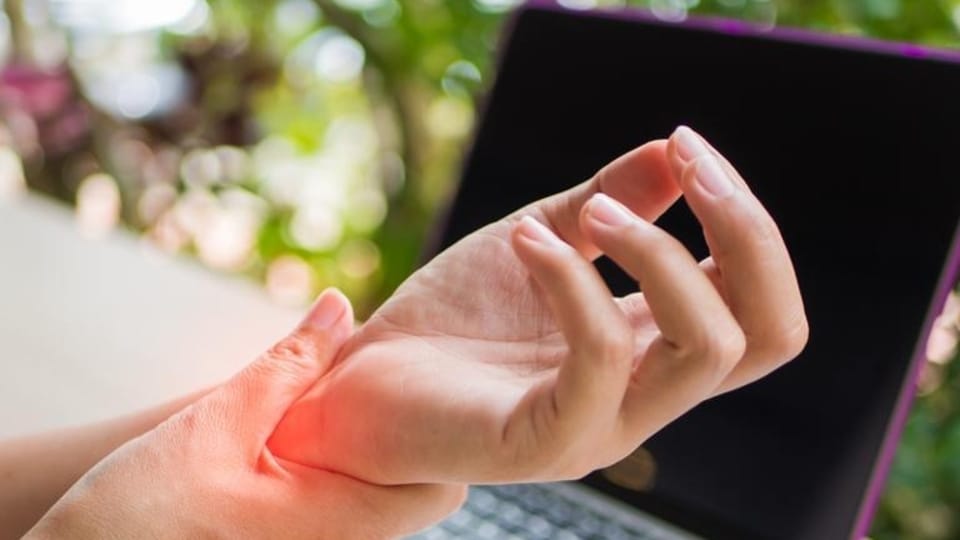
While all these are important parts of self-care, we often ignore one important facet of this is ensuring that we are protecting ourselves against infections which affect our independence, mobility and quality of life.
Our immune system works around the clock to protect us from infections and keep us healthy. It has an immediate response team on standby, that acts quickly against threats, and a more sophisticated system that remembers past infections and helps the body fight the infection off more effectively in the future. As we age, so does our immune system, which impairs the body’s ability to fight off viruses, leaving it vulnerable to a host of infections.
One such infection that impacts people over 50 years majorly is shingles. In India, shingles is estimated to affect about 3.3 people per 1,000 each year, translating to roughly 4.5 million cases annually. However, the true burden may be even higher because many cases are likely underreported. As India moves towards an estimated 347 million people aged 60 years and above by 2050, the burden of shingles is expected to become a greater public health concern, making the focus on preventive health even more important.
Shingles or herpes zoster is a painful and impairing disease caused by the reactivation of the varicella-zoster virus (VZV), the same virus that causes chickenpox. As people age, the strength of the immune system response to infection decreases, increasing the risk of developing shingles. It typically begins as a rash, with painful blisters erupting on the chest, abdomen or face. A global survey found that 43% of Indian participants who have had shingles reported severe, day-disrupting pain.
Many people believe that if they had chickenpox in their childhood, they are safe from shingles. However, as we age, the immune cells that kept this virus suppressed for decades gradually lose their ability to do so, and thus shingles can affect even those who have acquired immunity to the varicella-zoster virus.
Patients with shingles do not just complain about the pain and the rashes, they also lament the loss of a normal regular life as the pain can be so intense that it can deprive them of restful sleep and mobility. Older adults often feel lonely and isolated as they remain confined to their homes and miss out on socializing with friends. Any illness can create a sense of isolation, but with shingles, this loss of social connection can be particularly profound due to the severity and persistence of pain.
Fortunately, in those aged 50 years and above, shingles can be prevented by vaccination. They must talk to their doctors and understand about shingles prevention and the role vaccination plays in preventing shingles and in ageing healthily.
Self-care and healthy ageing go hand in hand. Healthy ageing is not just about treating illness when it occurs; it also means taking consistent, everyday steps to protect our well-being. These include simple lifestyle choices, regular health check-ups, and preventive measures such as vaccination. Viewed this way, protection against vaccine-preventable diseases becomes a practical and essential part of self-care after 50, helping people live not only longer, but better.
(The views expressed are personal)
This article is authored by Dr Randeep Guleria, chairman, Institute of Internal Medicine & Respiratory and Sleep Medicine, Medanta, Delhi.


