Japan has just crossed a landmark. According to statistics from the country’s Health and Welfare Ministry, the nation is now home to 1,07,677 centenarians (people aged 100 or older), exceeding the 1,00,000 mark for the first time in recorded history, with women making up nearly 88% of the total.
Fuyo Kishimoto from Kyoto, at 114, is the oldest living woman in the country, and 112-year-old Hikaru Kato from Kumamoto is the oldest man.
While the world studies Japan’s ageing population, health experts point to something simpler: everyday habits that may quietly help people live past 100.
Healthspan over lifespan: The cultural shift
We often obsess over living longer, but experts say we should focus on healthspan instead. Holistic lifestyle coach Luke Coutinho says, “US and Western cultures focus on longevity, which is a poor word to measure what needs to be done. Japan chases healthspan, which naturally transforms into lifespan.”
He notes that unlike modern Western fitness trends, the Japanese don’t shy away from carbohydrates. He shares, “Their carbs are pretty high, from sweet potatoes to great quality rice but they are extremely active. From walking and gardening to cleaning, movement is built into daily life. They rely more on NEAT (Non-Exercise Activity Thermogenesis) and everyday movement than heavy gym workouts.”
Japanese longevity hacks
It’s easy to credit green tea and fresh fish, but Japanese approach to life is shaped by mindful philosophies:
- Hara Hachi Bu: Stop eating when you’re about 80% full to avoid overeating and metabolic strain.
- Ichiju Sansai: ‘One soup, three sides’ served in small dishes to encourage portion control and variety.
- Ikigai: Cultivating a clear reason to wake up each morning, which drastically reduces chronic stress. Moai: Forming tight-knit, lifelong social support groups that offer emotional security as you age.
- Osoji: Treating daily house chores and physical labour as deliberate, light physical activity that maintains mobility into late adulthood.
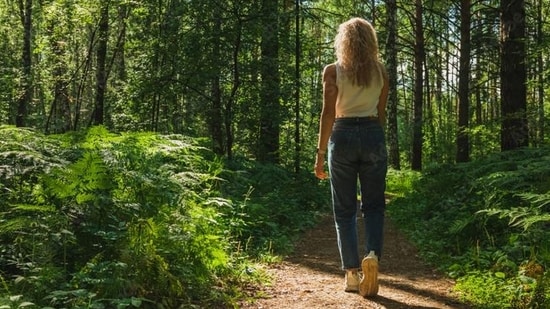
- Shinrin-yoku (Forest bathing): Immersing yourself in nature to reduce stress and support overall well-being.
Can we replicate it in India?
{{/usCountry}}It’s easy to credit green tea and fresh fish, but Japanese approach to life is shaped by mindful philosophies:
- Hara Hachi Bu: Stop eating when you’re about 80% full to avoid overeating and metabolic strain.
- Ichiju Sansai: ‘One soup, three sides’ served in small dishes to encourage portion control and variety.
- Ikigai: Cultivating a clear reason to wake up each morning, which drastically reduces chronic stress. Moai: Forming tight-knit, lifelong social support groups that offer emotional security as you age.
- Osoji: Treating daily house chores and physical labour as deliberate, light physical activity that maintains mobility into late adulthood.
- Shinrin-yoku (Forest bathing): Immersing yourself in nature to reduce stress and support overall well-being.
Can we replicate it in India?
{{/usCountry}}Before replacing your staple home-cooked food with sushi and matcha, longevity specialists suggest a reality check.“For Indians, this does not mean replacing our dalroti with Japanese food,” says longevity specialist Dr Arpit Bansal. “Our traditional diets already contain many foods that support healthy ageing: pulses, vegetables, whole grains, nuts, seeds, and fermented foods like curd.” The focus, he says, should be on variety, sensible portions, and limiting ultra-processed foods.
Physical activity needn’t mean intense workouts. He adds, “Walking, household chores, and avoiding long sitting spells maintain mobility and muscle strength. Equally critical is preventive healthcare. In India, we often seek medical attention only after symptoms become difficult to ignore. A longevity approach means regular health checks and catching risk factors like high blood pressure early.”