Rajnath Singh’s seniority and stature in the National Democratic Alliance drive him to perform multiple roles. As home minister, he has taken the initiative to tackle threats of Left-wing extremism and insurgency in the Northeast. On both fronts, the government has performed creditably. He has also had to deal with the perennial challenge of political discontent and a difficult security situation in the Kashmir valley. Singh, who was the Bharatiya Janata Party (BJP) chief when it stormed to power in 2014, is a sharp political mind and a key interlocutor used by the Prime Minister to reach out to key actors across party lines. As a former chief minister of Uttar Pradesh, politically the most crucial state, Singh will have a role in ensuring that his party is able to take on the challenge of retaining its seats in 2019.
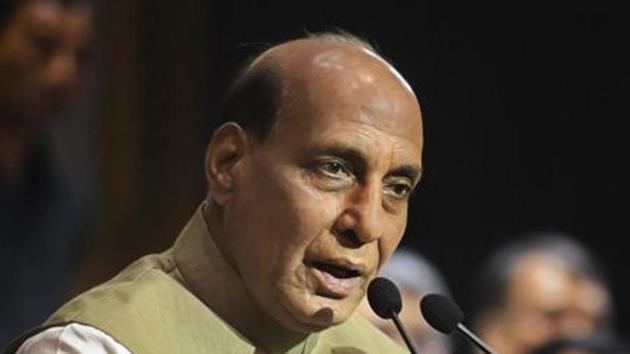
Singh, born in a UP village, became associated with the Rashtriya Swayamsevak Sangh in the 1960s and subsequently the Bharatiya Jana Sangh and BJP. With his ability to take along various interest groups and individuals, a warm personal touch and long years of political struggle, Singh -- who considers the late Atal Bihari Vajpayee his idol -- has come a long way to become the man whose job involves keeping India safe and secure.