
 E-Paper



‘16 Bihar’ heroes of Galwan skirmish to be honoured at Republic Day parade
PM Modi, who travelled to Ladakh soon after the clash, had paid glowing tributes to the bravery of soldiers, telling them that India's enemies had seen their "fire and fury".

 Prefer HTon Google


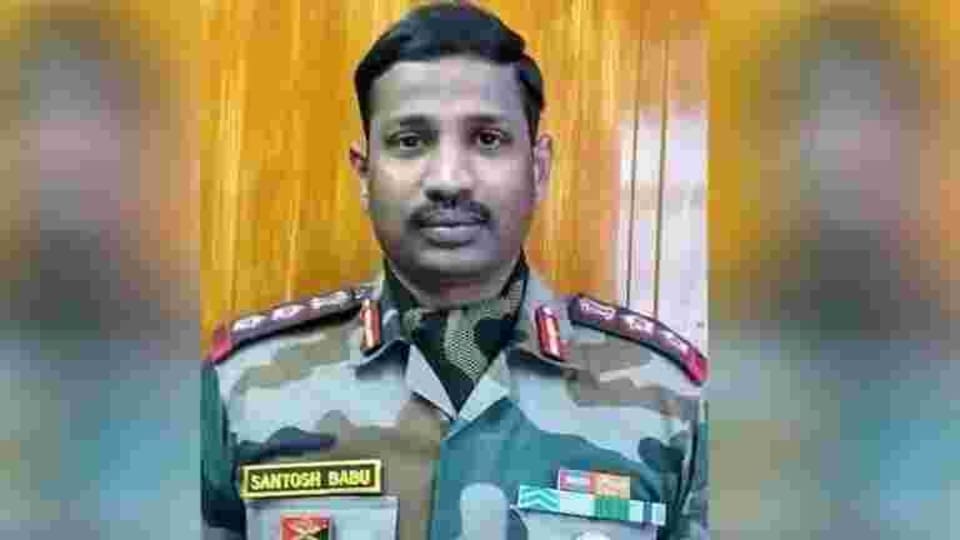
At least five Indian Army soldiers including Colonel B Santosh Babu of 16 Bihar battalion who blocked Chinese People Liberation Army (PLA) aggression to capture territory in East Ladakh’s Galwan Valley on June 15 last year will be posthumously honoured with gallantry medals on Republic Day, people familiar with the matter said.
ALSO WATCH | 'World saw soldiers in Ladakh...': PM Modi warns China, Pak
While the Defence Ministry and Indian Army are tight-lipped about the number of medals, Hindustan Times has learnt that at least two officers and three troopers who gallantly fought the Chinese will be honoured.
The Indian soldiers had retaliated in full measure when the Chinese troops refused to withdraw from a location near Patrolling Point 14 in line with the agreement reached between the two countries, and triggered the clash. The PLA troops had come prepared with barbed wire sticks and spears. The Indian soldiers were overwhelmed in numbers but managed to evict the Chinese soldiers in the seven-hour conflict along the Line of Actual Control, the first in more than five decades.
Prime Minister Narendra Modi, who travelled to Ladakh soon after, had paid glowing tributes to the bravery and courage of soldiers in the frontlines of the stand-off. “Bharat Mata’s enemies have seen your fire and fury,” PM Modi said on this visit that saw him delivering a sharp reminder to China that the “era of expansionism” was over.
At its peak, the violent clash involved more than 600 rival soldiers with a majority of casualties on both sides due to hypothermia with the soldiers getting pushed out of the cliff into the freezing Galwan river.
Twenty Indian soldiers laid down their lives at Galwan Valley but not before inflicting heavy casualties on the Chinese troops. Although the PLA has not disclosed the number of its dead, Indian Army estimates based on intelligence and communication intercepts on that day indicate that more than 50 Chinese troops including the Commanding Officer of the battalion involved in skirmish had died.
The names of the 20 soldiers led by Colonel B Santosh Babu, 37, commanding officer of the 16 Bihar battalion, have been inscribed on the National War Memorial. The army has also built a memorial at Post 120 in Leh for the soldiers who sacrificed their lives in the Galwan Valley conflict, also called “Op Snow Leopard” in army records.
China had claimed that it had decided not to publicise the exact casualties because comparisons could trigger antagonism on both sides. But Indian officials underscore that Beijing’s subsequent conduct in the East Ladakh sector does not reflect maintaining peace and tranquillity was a priority for the Chinese side. PLA troops had tried to transgress into Indian territory near the southern bank of Pangong Tso in August but were outflanked by Indian commandos by taking control of a strategic height.


