Close to 1.8 million people between ages 18 and 44 have received their first Covid-19 vaccine shot, government data showed on Sunday, even as states are making efforts to widen their immunisation drives by procuring more doses for this age group.
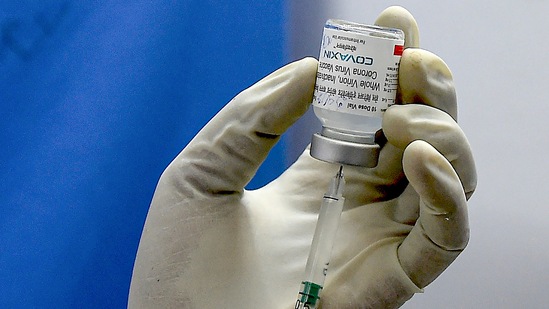
The inoculation numbers are yet to pick up, with the central government maintaining that the vaccination process in this age group will smoothen once the vaccine supply chain improves in coming weeks.
“Our first priority is 45-plus category as it is this population group that runs the maximum risk of developing serious disease. For the rest of the adult population group, the service was opened as part of expanding the coverage to phase-3 level. As supplies (vaccine) get better, more slots will open up,” a central government official said on condition of anonymity.
About 180 million Covid-19 vaccine doses have been administered in the country so far. “Ten states account for 66.78% of the cumulative doses given so far in the country,” Union health ministry said in a statement.
Also read | PM Modi takes stock of Covid-19 crisis, strategy in 4 states
{{/usCountry}}Also read | PM Modi takes stock of Covid-19 crisis, strategy in 4 states
{{/usCountry}}There has been a massive surge in the number of new Covid-19 cases over the past few weeks, and the global community has come to the aid of the Indian government as the country’s health care delivery system is stretched thin.
As per recent government data, nearly 500,000 Covid-19 positive cases currently are in intensive care units (ICUs), with over 170,000 people on ventilator support at various hospitals across the country, with many more seriously ill patients in need of hospital beds.
Many countries began sending essential medical supplies to help India strengthen its clinical management capacity for effective management of hospitalised Covid-19 patients.
Since April 27, when shipments started arriving, 6,738 oxygen concentrators; 3,856 oxygen cylinders; 16 oxygen generation plants; 4,668 ventilators or Bi PAP machines; and about 300,000 remdesivir vials have either been delivered or dispatched cumulatively.
On Saturday, the government received oxygen concentrators (2,404), antiviral drug remdesivir (25,000 vials), ventilators (218) and testing kits (692,208) from Canada, Thailand, The Netherlands, Austria, Czech Republic, Israel, US, Japan, Malaysia, Gilead, Salesforce and the Indian community in Thailand.
“A dedicated Coordination Cell has been created in the Union Health Ministry to coordinate the receipt and allocation of foreign COVID relief material as grants, aid and donations. This Cell started functioning from 26th April 2021. A Standard Operating Procedure has been framed and implemented by the Health Ministry since 2nd May, 2021,” said the health ministry statement.
Most of the material is being sent to tertiary care hospitals in states, as these hospitals see maximum Covid-19 caseload, and mostly severely ill patients.
“I thank all for sending foreign aid in the form of essential medical equipment -- ventilators, oxygen cylinders, and oxygen concentrators, to fight the huge surge of Covid-19 cases,” said Dr Randeep Guleria, director, All India Institute of Medical Sciences (AIIMS), Delhi.
AIIMS is also one of the two hospitals in Delhi to have installed DRDO’s oxygen generation plant that is designed for a flow rate of 1,000 liters per minute. The system caters to 190 patients at a flow rate of 5 litres per minute. The other hospital where the plant has been installed is New Delhi’s Dr Ram Manohar Lohia Hospital.