
 E-Paper



2 new quota categories amid protests by Panchamasalis in Karnataka
Currently, the state has four categories of OBC: 2A, 2B, 3A and 3B based on the economic, social and educational status. In the cabinet meeting held at Suvarna Vidhan Soudha in Belagavi on Thursday, it was decided to abolish categories 3A and 3B and replace them with 2C and 2D, respectively

 Prefer HTon Google


The Karnataka cabinet on Thursday decided to do away with two categories of the other backward class (OBC) reservation in educational institutions and jobs, and replace them with the two new categories, state’s law minister JC Madhuswamy said.
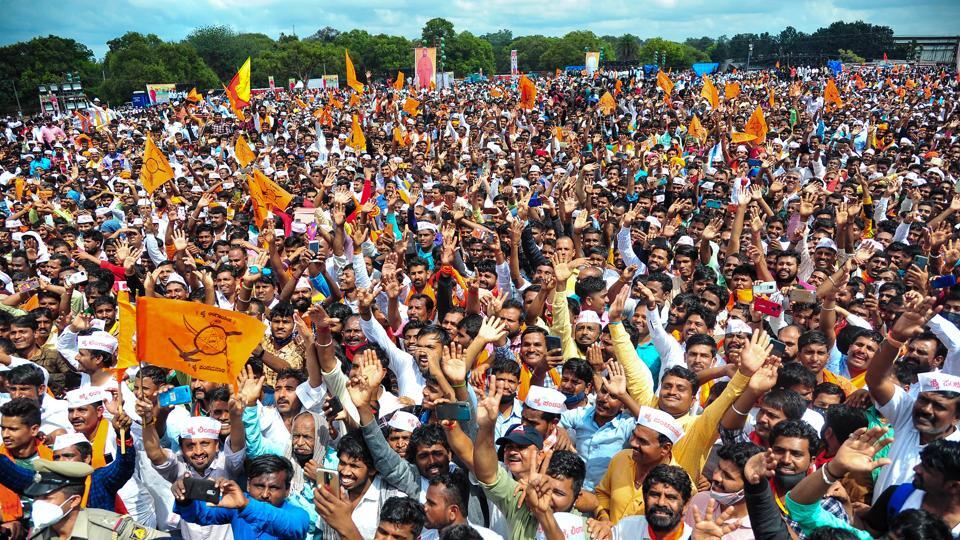
Currently, the state has four categories of OBC: 2A, 2B, 3A and 3B based on the economic, social and educational status. In the cabinet meeting held at Suvarna Vidhan Soudha in Belagavi on Thursday, it was decided to abolish categories 3A and 3B and replace them with 2C and 2D, respectively.
Though there was no immediate clarity on the reservation percentage being offered in the new categories, the minister told reporters: “We are not changing the reservation or the number of people in it in the 2A and 2B, we are creating 2C and 2D.”
He said those in the 2A and 2B would not be touched and their education, employment or political reservation would not be disturbed.
State’s two dominant communities — Vokkaligas and Panchamasalis — which are in 3A and 3B category, have been demanding reservations under 2A status, considered the most backward.
“The 2C and 2D would accommodate people who were in the 3A and 3B categories,” said Madhuswamy. “Those who were in 3A such as Vokkaligas and others would now be in 2C and those in the 3B category such as Lingayats and others would be in the 2D category.”
The minister said that the Bharatiya Janata Party (BJP) government decided to make these changes based on the recommendations of the Karnataka State Commission for Backward Classes.
“We have decided to give consent to bring the people in the Category-3 to the Category-2, which is also recommended by the KSCBC,” he told reporters.
Talking about the EWS (economically weaker sections), the law minister said the government had to make provision for the reservation for it after the Constitutional amendment, which was upheld by the Supreme Court to increase the 10% reservation for the EWS. He only those EWS who have not been covered under any reservation can avail themselves of the quota benefit up to 10%.
The Panchamasalis are the largest group within the powerful Lingayat umbrella in Karnataka, and have been asking for an increased proportion of OBC reservations. The Lingayat — a community that boasts current BJP chief minister Basavaraj Bommai and his predecessor BS Yediyurappa among its tallest leaders — form at least 18% of the state’s population, and Panchamasalis are over half that number.
Panchamasalis, a peasant community, have often argued that despite their numerical superiority, other subsects of the Lingayats have received more state attention and have turned powerful, sparking anger within the community.
Panchamasalis were categorised in 3B subdisvison under the backward class (BC) category that offered 5% reservation, and they have been demanding inclusion in the 2A subdivision, which is categorised as ‘more backward’ and offers 15% reservation in education and employment.
The state government, responding to Panchamsalis’ massive rally in front of the Suvarna Soudha last week, had sought time to look into the reservation mater.
Belagavi Rural Congress legislator Laxmi Hebbalkar, who was among the leaders who supported Panchamsalis’ reservation demand, said: “The community with reservation will step up to be equal with other developed communities.”
Prof SK Doddamani hailing from a backward community said that adding new communities or raising the percentage of reservation should not snatch the existing quota of the community. Economically weaker sectors and very backward caste and tribes must be considered for reservation and not those who are financially and politically strong, he said.
“They were well to do in every sector. The government has agreed to provide reservation to Panchamsalis for its political gain. SCs and STs for decades together are fighting for their rights,” he asked.
Mallesh Chougale, the district president of Karnataka Dalit Sangharsh Samiti, said, “Let the government provide reservation of any amount to any community. It should not affect the reservation quota of Dalits.”


