Around 300,000 migratory birds have arrived in Kashmir so far this month, buoyed by early snowfall which swelled the lakes and wetlands in the Valley. More winged visitors are expected in the season.
Traversing continents in flocks, some in parallel rows while others in wave shape, the various species of birds arrived here from Europe, Central Asia, China and Japan to spend the winter in the waters of the Himalayan valley.
Wildlife officials are expecting more winged guests to arrive this winter than the previous one owing to early snow and rains.
“Last year our water bodies were dry as there was no precipitation for around eight-nine months. But this year, we got early snowfall and hence more water in lakes and wetlands,” said Abdul Rouf Zargar who is deputy conservator of forests and wildlife warden of wetlands in Srinagar.
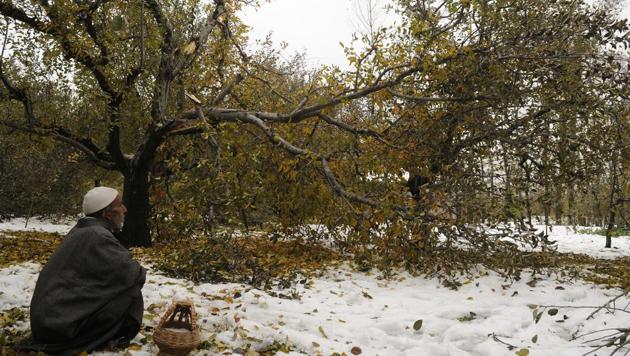
Kashmir received early snow in first week of November. It was after nine years that summer capital Srinagar was draped in white on November 3. The snowfall and rains in plains broke the routine of late precipitation during winters in the Kashmir Valley for the past three years.
Zargar said that last year, despite lower water levels, some 800,000 birds had arrived in winter till February this year. “So far, almost 300,000 migratory birds are already here and we expect the number to increase further,” he said.
{{/usCountry}}Zargar said that last year, despite lower water levels, some 800,000 birds had arrived in winter till February this year. “So far, almost 300,000 migratory birds are already here and we expect the number to increase further,” he said.
{{/usCountry}}Currently mallards, greylag geese, pochards, pintails and charwals are jostling in some of the major water bodies of Kashmir including Wular Lake, Dal Lake, Manasbal and Hokersar.
Zargar said that Kashmir has some 400 water bodies of which they observe the birds in some 25 big and notified water bodies.
“Our watershed areas got early snow and we expect more water. In the notified water bodies. We attempt to maintain their water levels and provide full protection through the wildlife department. Birds prefer undisturbed waters,” he said.
The department also provides food for the birds when the water bodies freeze in harsh winter. “If the water bodies freeze completely, the birds travel further ahead towards the plains of Pakistan and return in March to travel back home,” Zargar added.