
 E-Paper



Allahabad HC rejects 8 interfaith couples’ pleas citing anti-conversion law
The Allahabad high court rejected the pleas noting that their marriages were not in compliance with the provisions of the Uttar Pradesh Prohibition of Unlawful Conversion of Religion Act, popularly known as the anti-conversion law

 Prefer HTon Google


PRAYAGRAJ: The Allahabad high court has dismissed petitions filed by eight interfaith couples seeking protection of their lives, noting that their marriages were not in compliance with the provisions of the Uttar Pradesh Prohibition of Unlawful Conversion of Religion Act, popularly known as the anti-conversion law.
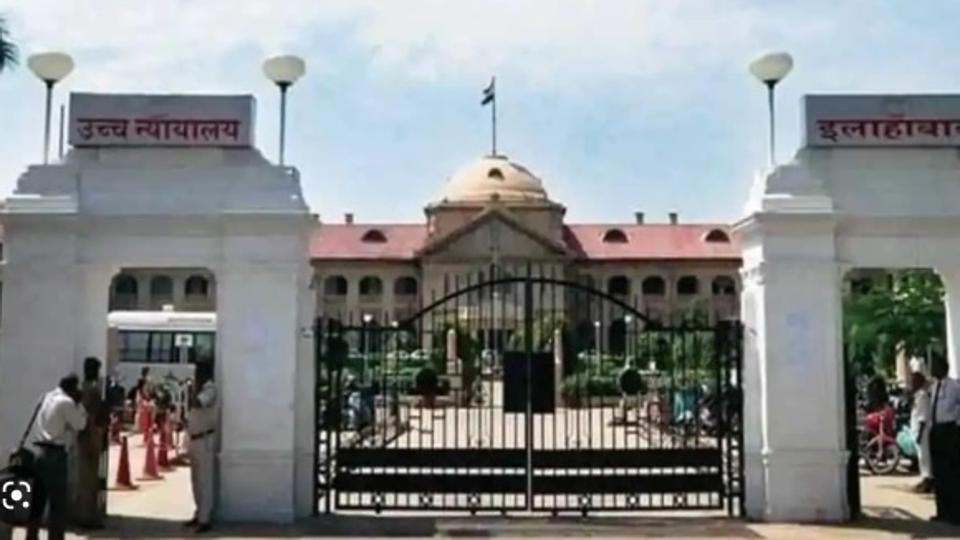
In separate orders passed between January 10 and 16, the high court noted the religions of the petitioners. Of the eight interfaith couples that moved the court, five Muslim men had married Hindu women while three Hindu men had married Muslim women.
Through separate petitions, the interfaith couples had approached the high court seeking directions for their protection and non-interference in their matrimonial lives.
Declining the requests made by the petitioners, the bench of Justice Saral Srivastava, noted that these were cases of interfaith marriages, but the marriages themselves were not in accordance with law as the anti-conversion law had not been followed. “In such view of the fact, the relief prayed by the petitioners cannot be granted. Consequently, the writ petition is dismissed,” the court said in identical orders.
The orders, however, did not divulge specific reasons as to why the marriages were not in compliance with the UP anti-conversion law, which prohibits unlawful conversion to another religion by misrepresentation, force, fraud, undue influence, coercion and allurement.
Passed in 2021, the UP law makes forced religious conversion a non-bailable offence and provides for up to 10 years’ incarceration for using marriage to coerce someone into conversion.
The court, however, left it open to the petitioners to “prefer fresh writ petitions in case they solemnise marriage after following the due procedure of law”.


