E-Paper



Assam stops 1st dose of Covaxin due to scarcity, fixes Covid-19 treatment rates for pvt hospitals
From now Covid-19 patients staying in general hospitals will have to pay a maximum of ₹4,000 daily for stay in general wards, ₹5,000 for private wards, ₹9,000 daily for ICU without ventilator and ₹12,000 for ICU with ventilators.


The Assam government on Friday decided to stop giving the first dose of Covaxin to all eligible persons with immediate effect due to scarcity of the vaccine produced by Bharat Biotech.
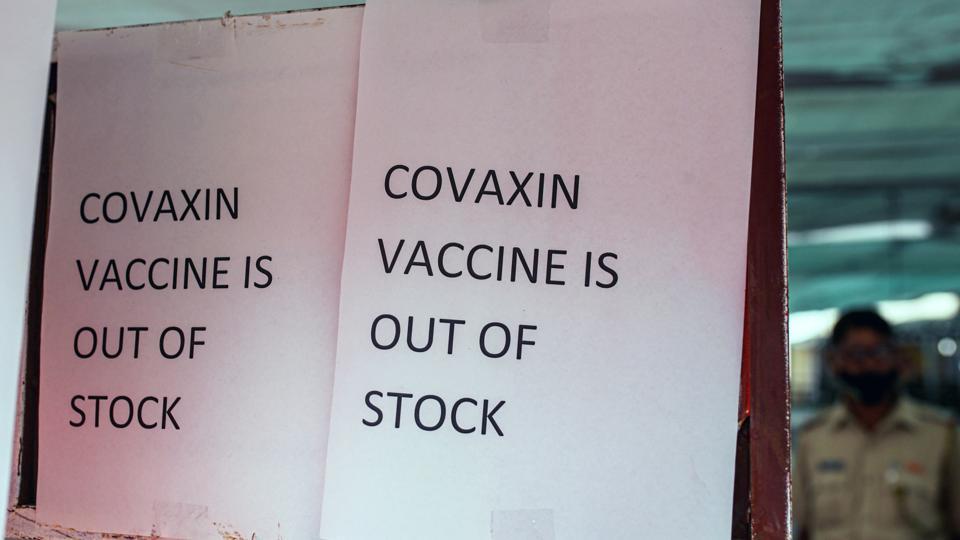
“Due to problems with supply of Covaxin, we have decided to stop administering first doses of it in the state for the time being. We have around 150,000 people who got the first dose and are due for their second doses. They will be given their second doses within the 42 days’ time limit,” health minister Keshab Mahanta said.
At present Assam has around 320,000 doses of Covishield and 20,000 doses of Covaxin. The state will receive around 50,000 doses of Covaxin within the next few days and some more later.
The government also fixed rates of treatment at private hospitals in the state for Covid-19 patients. The rates have been fixed in two categories—for general hospitals and super-specialty hospitals.
From now Covid-19 patients staying in general hospitals will have to pay a maximum of ₹4,000 daily for stay in general wards, ₹5,000 for private wards, ₹9,000 daily for ICU without ventilator and ₹12,000 for ICU with ventilators.
For super-specialty hospitals, the rates would be ₹5,000 daily for general wards, ₹6500 for private wards, ₹10,000 for ICU without ventilator and ₹15,000 for ICU with ventilators.
The rates would include registration, bed, boarding (food), nursing and consultation charges and tests and medicines but exclude high-end tests, costly medicines like Remdesivir and treatment for co-morbid conditions.
“These are the maximum rates which private hospitals can charge per day. To give relief to patients, these hospitals can charge less than the amounts mentioned. The rates were fixed after consultations with private hospitals,” Mahanta said.
From now all patients with co-morbidities will have to stay in Covid Care Centres or hospitals. Earlier it was mandatory only for patients above 50 years of age. The government decided to set up paediatric ICUs at all seven medical college hospitals in the state.
The daily vaccination dose administered across the state, which is at present around 50,000, to be increased to nearly 70,000 doses with focus on Kamrup (Metropolitan), Nagaon, Sonitpur, Dibrugarh, Tinsukia and Cachar districts.
The government also decided to provide interest free loans (for three months) to private hospitals in the state to procure Covid19 vaccines from producers. As per Centre’s guidelines, 25% of vaccines allotted to states will be given to private healthcare centres.
“Due to cooperation of the public and restrictions in place, the daily Covid19 figures for Assam, both for new patients as well as deaths, have come down slightly in the past few days,”
Those not able to visit vaccination centres due to age, disabilities or disease will be provided with jabs at homes or at places close to their homes.
Assam recorded 4309 new Covid-19 cases on Thursday and 46 deaths. The positivity rate in the state has dropped from around 8% few weeks ago to 4% at present.