
 E-Paper



At BIMSTEC meet, Jaishankar says intra-regional tourism badly hit by Covid-19
External affairs minister Dr S Jaishankar added that as the overall situation becomes normal, strong emphasis should be laid on developing the BIMSTEC’s brand of tourism and also focus on developing modalities for using the initiative’s tourism fund.


External affairs minister Dr S Jaishankar on Thursday took part in the 17th Bay of Bengal Initiative for Multi-Sectoral Technical and Economic Cooperation (BIMSTEC) ministerial meeting, which comprises seven countries. Five of these seven countries- India, Nepal, Sri Lanka, Bhutan and Bangladesh-- are from South Asia while the remaining two, Thailand and Myanmar, are from Southeast Asia.
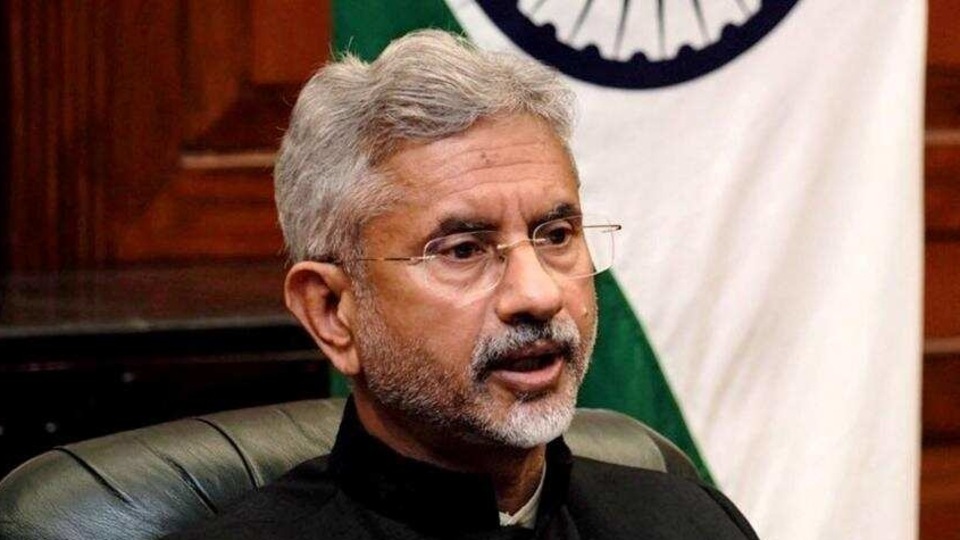
Addressing the meeting virtually, Jaishankar said the collaboration in intra-regional tourism has been badly hit by the ongoing coronavirus disease pandemic (Covid-19) adding that as the overall situation becomes normal, strong emphasis should be laid on developing the BIMSTEC’s brand of tourism and also focus on developing modalities for using the initiative’s tourism fund.
The BIMSTEC was formed in 1997 and is headquartered in Bangladesh’s capital Dhaka. The objective of the initiative is to harness shared, accelerated growth through mutual cooperation in multiple areas of common interests by using regional resources and geographical advantages, according to BIMSTEC’s website.
Pointing out that robust connectivity is an essential prerequisite of the economic integration of the region with a smooth cross-border movement, Jaishankar said he was delighted that all members finalised a BIMSTEC master plan for transport connectivity.
Currently, the BIMSTEC is involved in 15 sectors including trade, technology, agriculture, tourism, fisheries, energy and climate change among others, for sectoral cooperation. In 1997, it started with just six sectors and later expanded to the remaining nine sectors in 2008.
“I’m glad that the region is witnessing rapid economic growth, with growing economic and political cooperation among the member states,” Jaishankar said. He also highlighted that BIMSTEC steadily gained prominence in India’s foreign policy and the participation of its members during the Modi government’s swearing-in ceremony in 2019 was a testament to it.
Nearly 1.5 billion people or 22 per cent of the global population comes under the BIMSTEC and has a combined gross domestic product (GDP) of $2.7 trillion. The website also added that in the last five years, BIMSTEC’s members were able to sustain an average 6.5% economic growth despite the global financial crisis.
With a focus on intra-regional cooperation, the BIMSTEC has also formed a platform with the South Asian Association for Regional Cooperation (SAARC) and the Association of Southeast Asian Nations (ASEAN) member countries.
(With ANI inputs)


