In her memoir, Bridging Boundaries: Memoirs of a Public Health Journey, Dr Poonam Khetrapal Singh, the first woman regional director of the World Health Organization’s (WHO) South-East Asia region (SEARO), offered a glimpse into how she managed one of the world’s most complex and populous public health regions.
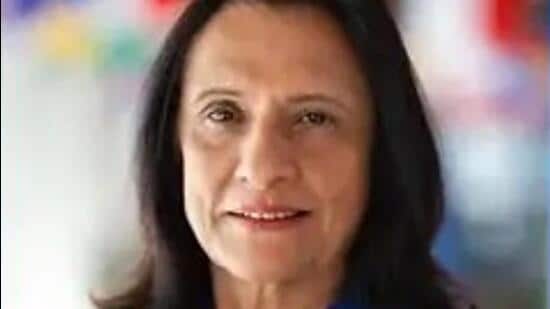
She served two terms as the regional director and chronicled the journey of public health leadership in Asia.
The memoir connects personal experiences with broader structural changes in public health. The book begins with her childhood in Kanpur, taking readers through her family, education and the social expectations that shaped her. Very early in her memoir, she establishes the theme of gender expectation in post-independence India—a recurring theme that influenced her commitment to women’s rights, healthcare access, and inclusive governance.
Singh was a literature student who witnessed societal inequalities when she switched her career path to become an Indian Administrative Service officer. What stayed with her was especially the weak healthcare infrastructure, including poor sanitation and the marginalisation of vulnerable communities. The chapters in her book focus on these inequalities and show readers how governance can change it.
These experiences later became foundational to her leadership style in the WHO.
{{/usCountry}}These experiences later became foundational to her leadership style in the WHO.
{{/usCountry}}Her appointment to WHO headquarters in Geneva marked yet another shift from national governance to international health diplomacy. While focusing on global health, one of the most important themes, the memoir also highlights how negotiation, cooperation, and trust among nations shape such institutions.
Her work in environmental health, emergency preparedness, and sustainable development reveals the increasingly interconnected nature of 21st-century health challenges.
A chapter on the 2004 Indian Ocean tsunami when Singh was coordinating WHO’s emergency response shows the logistical and emotional pressures involved in restoring healthcare systems. It also shows how WHO functioned as a coordinating body capable of mobilising governments, experts, and humanitarian agencies across borders, while reinforcing the memoir’s broader argument that effective public health depends on solidarity and international cooperation.
The book analyses WHO SEARO, where Singh’s reforms transformed it into a more focused and accountable institution.
Her ‘flagship’ programmes targeted disease elimination, maternal and child health, universal health coverage, and health system resilience in countries where health disparities remain substantial.
Under her leadership the region strengthened vaccination programmes, improved preparedness for outbreaks, and accelerated progress toward universal health coverage.
The memoir also repeatedly stresses “country ownership,” an approach that encouraged governments to adapt WHO strategies according to local realities rather than relying on externally imposed solutions.
Resilience is another frequently recurring theme in her book. Singh argues that strong health systems require long-term investment in surveillance, workforce training, supply chains, and institutional capacity.
Her reflections became especially relevant in the post-pandemic world, where the fragility of healthcare systems became globally visible.
The rebuilding of the WHO SEARO headquarters symbolically reinforces the theme of resilience and preparedness.
Bridging Boundaries succeeds because it humanises public health leadership. Singh writes with empathy rather than self-congratulation, making the memoir accessible to both professionals and ordinary readers.
The book offers valuable lessons for policymakers, healthcare workers, and students of global governance. More importantly, it highlights the transformative role of WHO in South-East Asia– not merely as a technical agency, but as a catalyst for equity, cooperation, and dignity in healthcare.
Catch your daily dose of Fashion, Health, Festivals, Travel, Relationship, Recipe and all the other Latest Lifestyle News on Hindustan Times Website and APPs.
Catch your daily dose of Fashion, Health, Festivals, Travel, Relationship, Recipe and all the other Latest Lifestyle News on Hindustan Times Website and APPs.